Somos Impact Travel
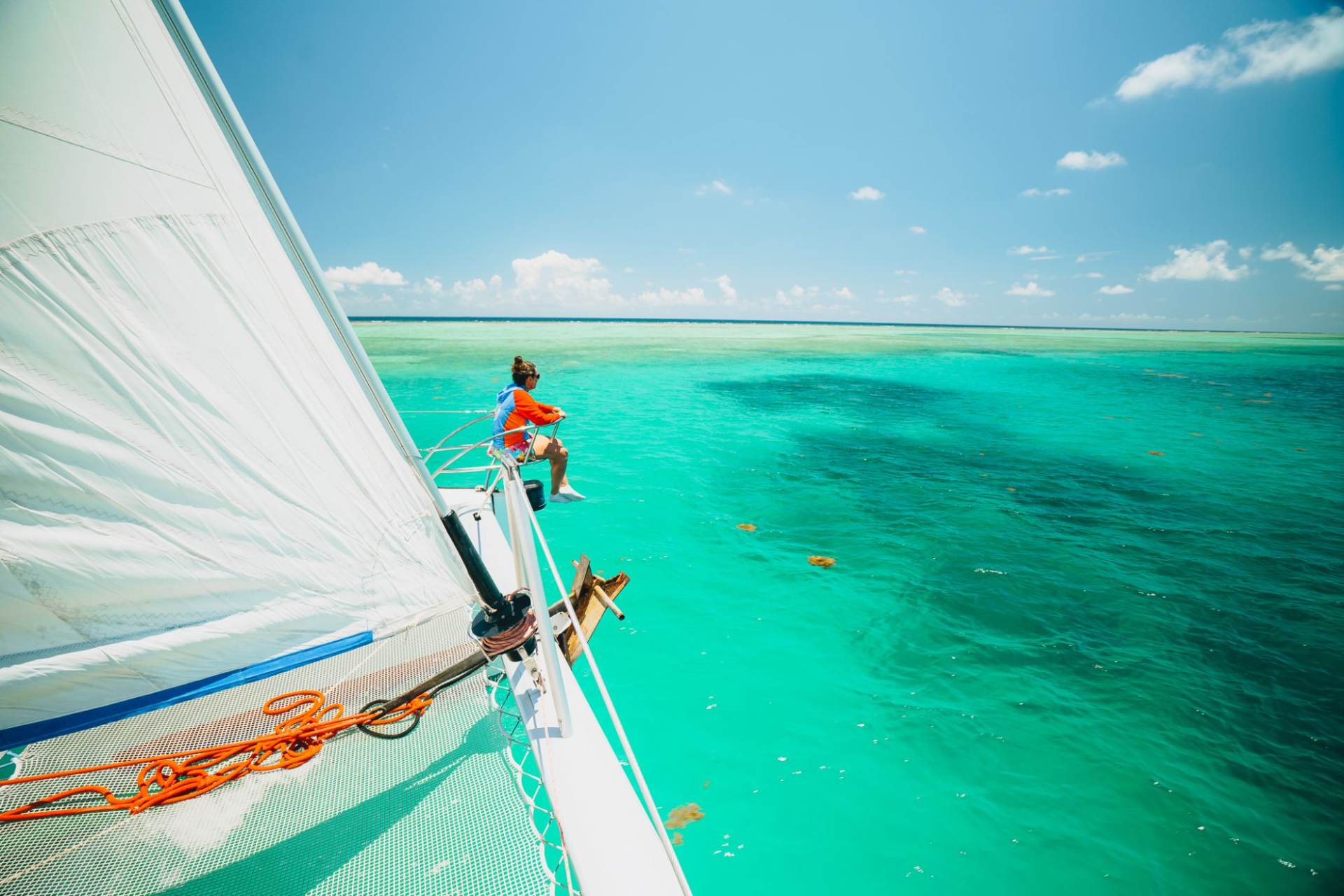
A traveler seated at the bow of a catamaran over the turquoise shallows inside the Belize Barrier Reef
Aerial view of the Split, the channel dividing Caye Caulker, with boats, docks, and mangroves
A snorkeler diving over a coral garden in clear blue water
A West Indian manatee swimming over a sandy bottom
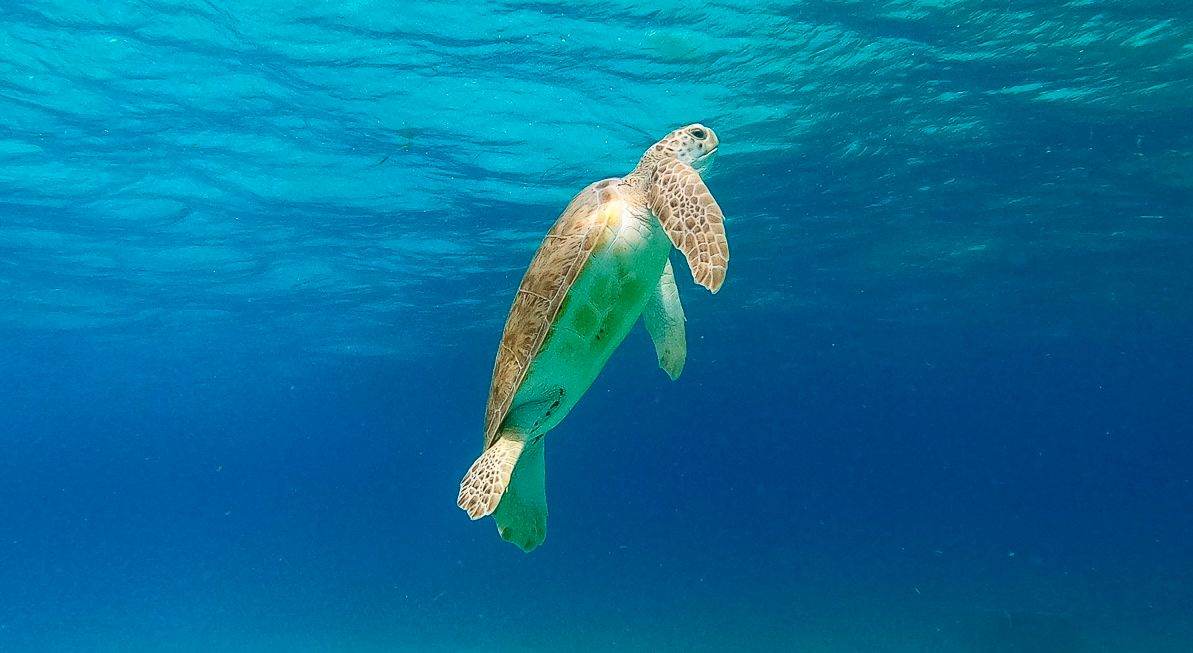
A green sea turtle rising toward the surface
Belize · 7-day field learning expedition · High school

Mangroves, Reef & the Coast

Marine conservation, reef ecology, and coastal economics on two working coastlines in Belize, for high school groups.

Start Planning Your Journey
01 / 05
Duration7 days, 6 nights
Group10 to 24 students, plus adult leaders
LocationsSarteneja, Corozal Bay, Bacalar Chico, Caye Caulker
DatesYear-round, flexible scheduling
Program rate$3,550 per student, airfare included
The program

From a Fishing Village to a Reef Economy

Students move between two working coastlines in this 7-day program: the fishing villages and protected wetlands of Belize's Corozal District, and the reef-based tourism economy of Caye Caulker. The program starts in Sarteneja, a Mestizo and Maya fishing community on Corozal Bay, and ends on an island where the local economy runs on the reef offshore.

Students plant mangroves and monitor manatees alongside rangers in Corozal Bay Wildlife Sanctuary, snorkel the coral gardens of Hol Chan Marine Reserve, and spend a full day with Belizean students their own age comparing what conservation looks like from inside two very different economies. The two halves of the trip ask the same question in places that answer it differently.

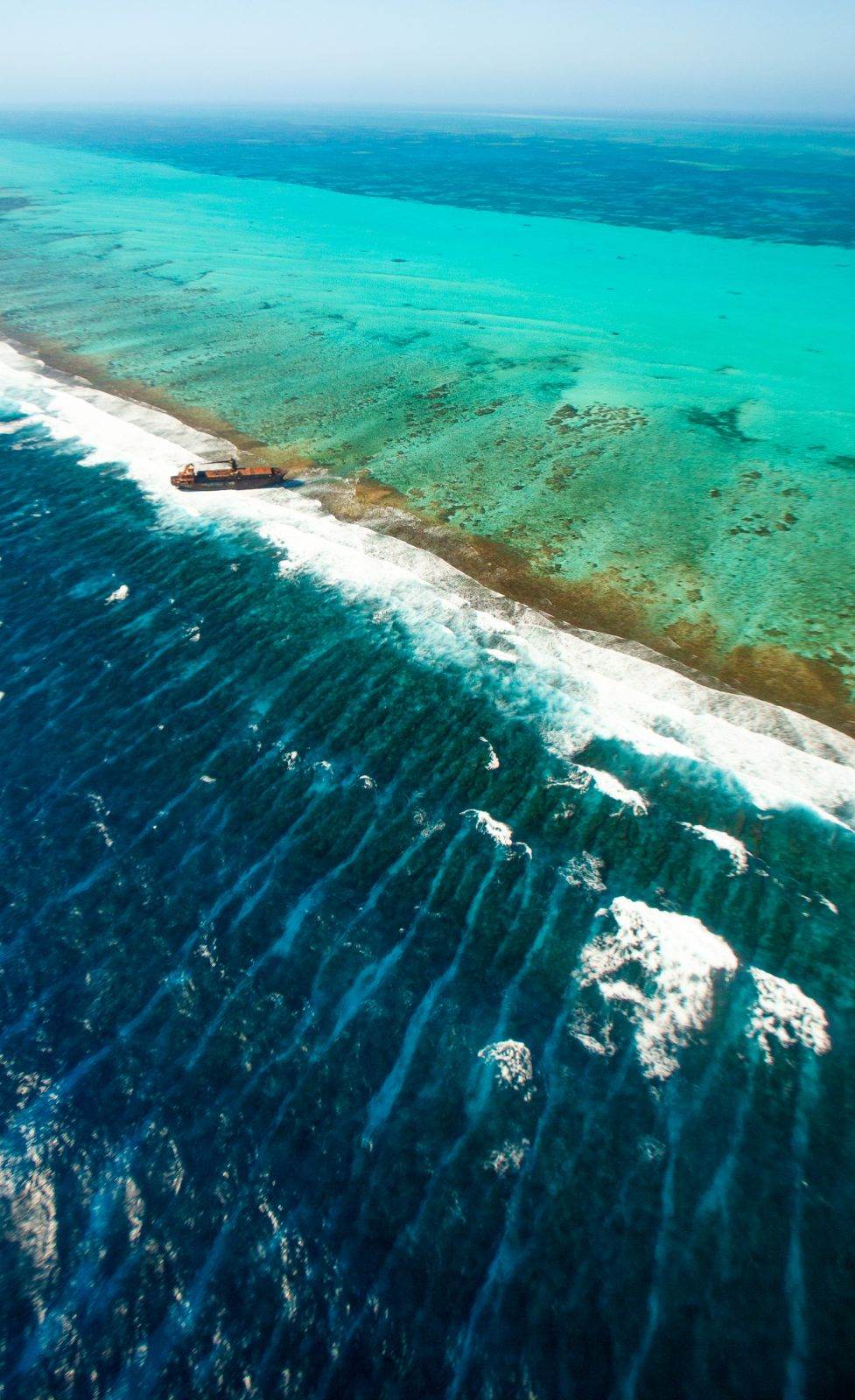
Aerial view of the Belize Barrier Reef, with a shipwreck on the reef crest between deep water and the turquoise lagoon
The driving question

What happens to a coastline, and the people who work it, when its economy shifts from fishing to tourism?

Students examine the question in Sarteneja and along Corozal Bay, then on Caye Caulker, where it is answered from the opposite direction. The week closes with students defending their own comparison of the two.

Lenses of inquiry
01

The Bay as a Working Resource

Sarteneja · Corozal Bay · Bacalar Chico

Families who have fished Corozal Bay for generations now work alongside rangers restoring the mangroves that fishing pressure once thinned. Every field day in the north asks who depends on this landscape, and how that dependence is changing.

02

The Reef as a Business

Caye Caulker · Hol Chan Marine Reserve

On Caye Caulker the reef supports the dive shops, restaurants, and guesthouses. Students snorkel those same coral gardens, then talk with island students about growing up where the ecosystem and the paycheck are the same thing.

03

Two Models, One Coastline

Capstone workshop · Caye Caulker

Extraction giving way to stewardship in the north; stewardship as the business itself on the island. Students build their own comparative framework from a week of fieldwork and defend it.

Program structure

Itinerary at a Glance

Day 1 · Sarteneja

Arrival and Journey North

Transfer north, homestay check-in, village walk, and an evening framing session.

Day 2 · Bacalar Chico

Bacalar Chico National Park

A full-day expedition through mangrove wetlands, coastal forest, and reef-adjacent habitat.

Day 3 · Corozal Bay

Manatees and Wildtracks

Manatee monitoring in the sanctuary, then the Wildtracks rehabilitation facility.

Days 4 to 6 · Caye Caulker

Reef, Island, and Exchange

Hol Chan snorkel expedition, a youth exchange with island students, and the capstone workshop.

Day 7 · Belize City

Departure and Synthesis

Ferry to Belize City, closing reflection, and airport transfer.

See the full itinerary
Safety and student support

Safety Makes Everything Else Possible

Every Somos program runs on protocols developed and refined across 10+ years of in-country operations. On this coast that means specific protocols for open water, boat and ferry transfers, wildlife facilities, and homestays.

24/7 In-Country Support

Round-the-clock emergency communication and in-country support, with escalation protocols for every program location.

CPR and First-Aid Certified Guides

Bilingual guides certified in CPR and first aid, with comprehensive medical kits on every activity.

Licensed and Insured Transport

Boat, ferry, and ground transfers run by vetted, licensed, insured operators experienced with student groups.

Site-Specific Field Protocols

Certified guides supervise all open-water swimming and snorkeling. Wildlife handling protocols at Wildtracks and Corozal Bay are set by facility staff. Homestay families are vetted in advance, with private, secure rooms for students.

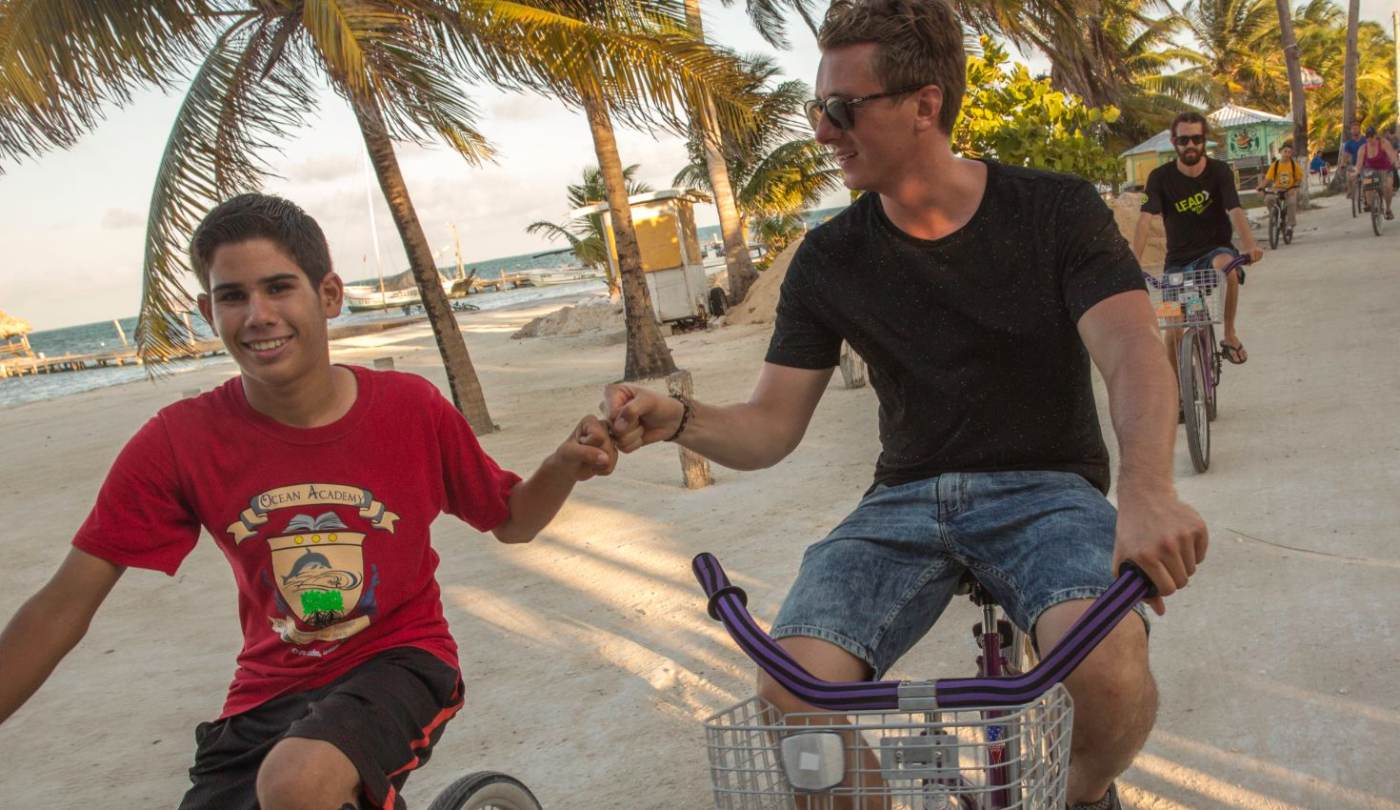
A Belizean student and a visiting student bumping fists while biking along the Caye Caulker waterfront
About Somos Impact Travel

We Build the Bridge. Local Experts Do the Teaching.

Somos Impact Travel designs field-based learning expeditions across Central America, working directly with the community organizations, research stations, and protected-area managers who lead the work on the ground.

The communities and field sites in this itinerary, including the fishing families of Sarteneja, the rangers of Corozal Bay, and the Belizean students who lead the Caye Caulker exchange, are not bookable through a conventional tour operator. These relationships come from years of direct partnership. Our partners are the teachers and the protagonists of every program.

Somos was started by educators and travel leaders with decades in the region. The places we work need advocates who listen, and partners who return.

10+
years of in-country operations
1,000+
travelers guided across the region
15+
community partnerships across the region
Testimonials

From Somos Travelers in Belize

"One thing I learned here that I couldn't learn in the classroom back home was people's living situation, like how they live and their own personal stories."
Student · Shoulder to Shoulder · Belize · 2026
"I feel like we learned so much about the culture and the people here and really connected with them on a deeper level."
Student · Bishop Kelly · Belize · 2026
"If I can go away for a week without my phone and not talk to anyone back home, and just meet a whole new group of people, then I can do more things."
Student · Shoulder to Shoulder · Belize · 2026
"It was those sensory details through his storytelling is where we actually learn."
Teacher · Shoulder to Shoulder · Belize · 2026
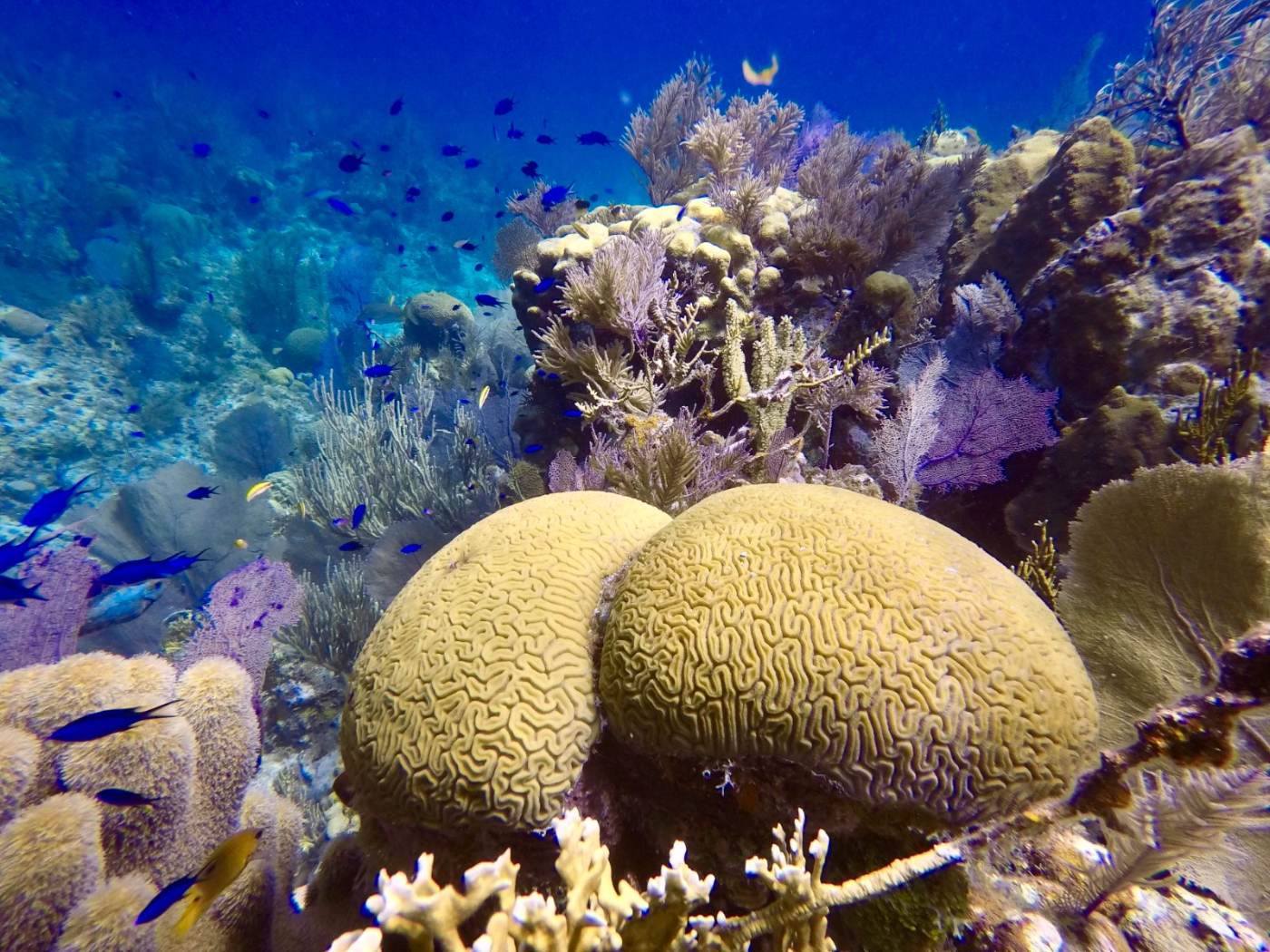
Brain coral and sea fans on a reef crowded with blue chromis
DAY 1Sarteneja, Corozal District

Arrival and Journey North

Sarteneja sits at the northern tip of Belize, a Mestizo and Maya fishing community on Corozal Bay that most visitors to Belize never see. Students arrive here first, before any of the country's more visited sites, to spend three days grounded in a coastal economy built on fishing before they see one built on tourism. The village's relationship to the bay, and the conservation work reshaping that relationship, sets up every comparison the program makes later in the week.

Afternoon
  • Arrival at Philip S. W. Goldson International Airport, Belize City
  • Private ground transfer north to Sarteneja, Corozal District (about 3 hours)
  • Check-in with host families, group orientation and room assignments
  • Guided walk through Sarteneja village: fishing infrastructure, bay access, community geography
Evening
  • Dinner with host families
  • Safety briefing and group guidelines
  • Evening framing session: what changes when a coastline's economy shifts from fishing to tourism, and why the program visits Sarteneja first
EVENING REFLECTIONWhat did you notice about how this village is built around the bay, before you knew anything about the conservation work happening in it?

Overnight: Homestay with local families, Sarteneja, Corozal District (Night 1 of 3)
Logistics: Airport pickup, extended road transport north, homestay check-in protocols, group communication setup

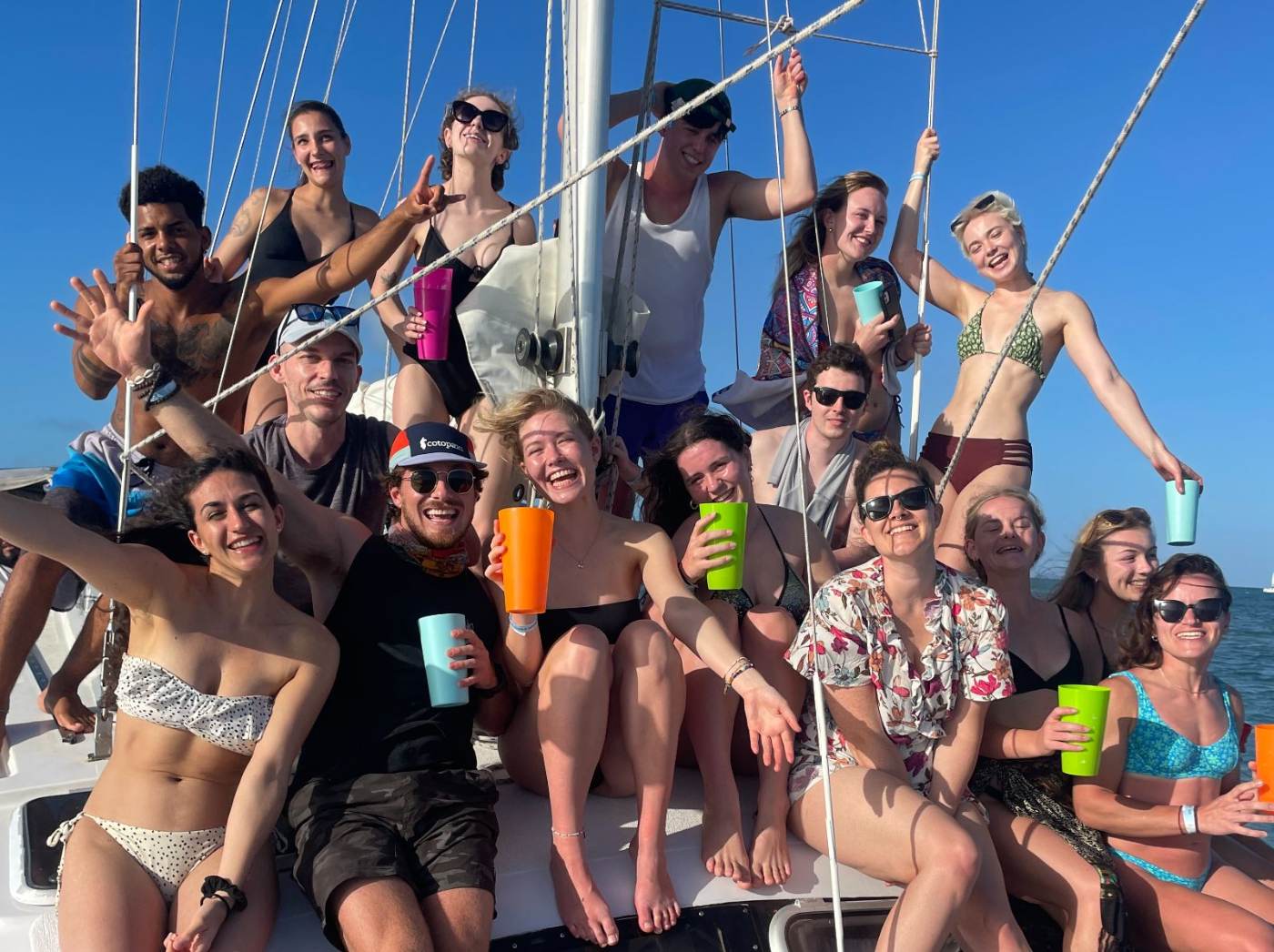
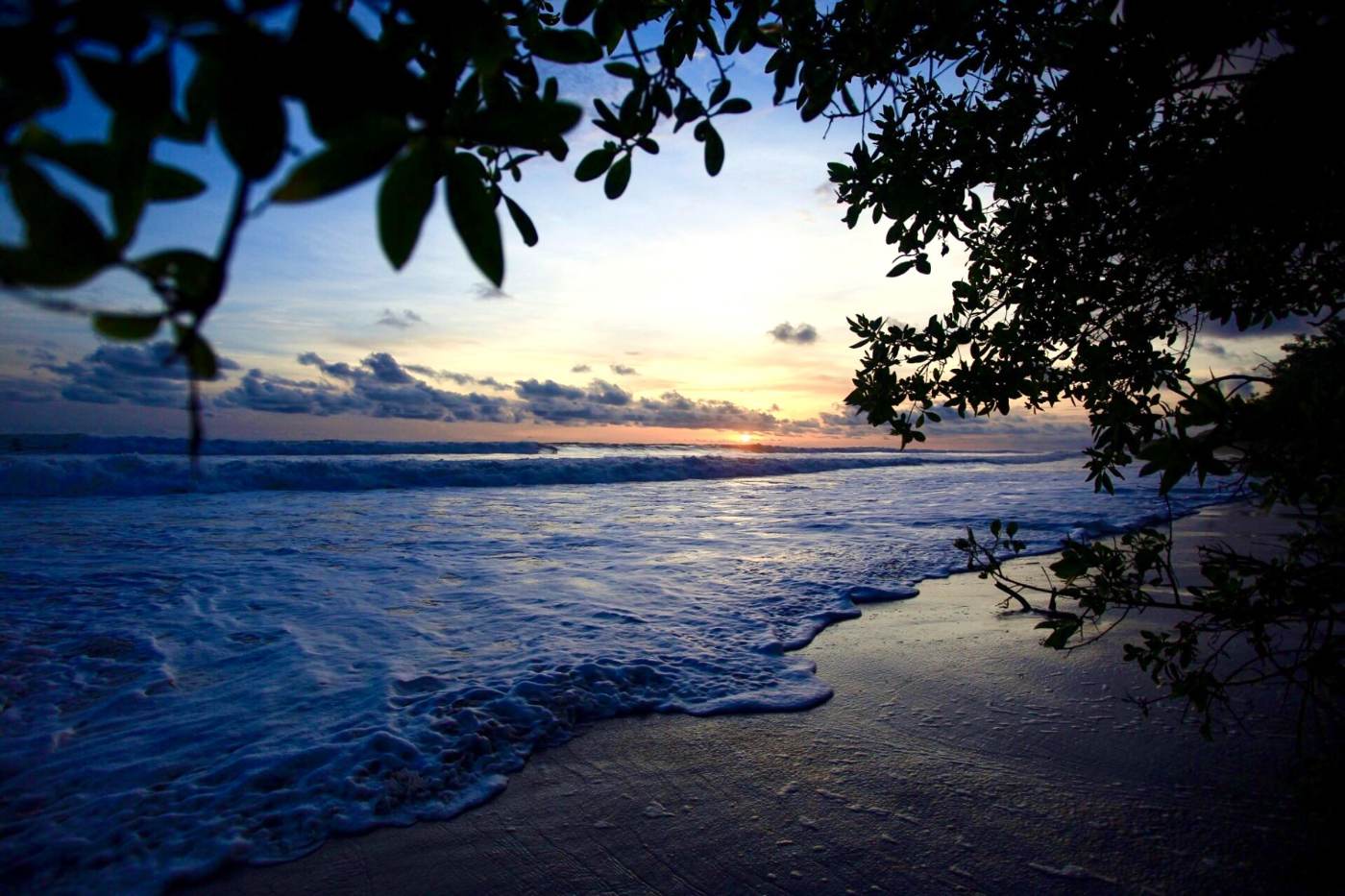
A student group gathered on the deck of a sailboat under a clear skyMangrove branches framing a sunset over breaking surf
DAY 2Bacalar Chico National Park

Bacalar Chico National Park

Bacalar Chico is a UNESCO World Heritage site that straddles the border of Belize and Mexico, where mangrove wetlands, coastal forest, and reef-adjacent habitat meet in a single unbroken landscape. Students spend the full day inside it with rangers who work the cross-border conservation agreements that keep the park intact. The question of what it takes to protect an ecosystem that does not follow a national border runs through the entire day.

Morning
  • Boat transfer to Bacalar Chico National Park
  • Guided expedition through mangrove wetlands, coastal forest, and reef-adjacent habitat
  • Mangrove structure and its role in protecting both land and sea
  • Coastal forest biodiversity along one of Belize's least developed shorelines
  • Field documentation: species, habitat type, and visible human impact recorded in field journals
Midday
  • Lunch inside the park
  • Ranger-led discussion on cross-border conservation: what it takes to protect an ecosystem that spans two countries
Afternoon
  • Continued field documentation and species identification
  • Return boat transfer to Sarteneja
Evening
  • Dinner with host families
  • Group debrief: comparing today's mangrove and coastal forest systems to the reef students will see later in the week
EVENING REFLECTIONBacalar Chico is protected by an agreement between two countries. What does that agreement actually require of the people who live near the border it crosses?

Overnight: Homestay with local families, Sarteneja, Corozal District (Night 2 of 3)
Logistics: Boat transport, mangrove terrain (wet, uneven ground), sun and heat exposure, cross-border park protocols

A West Indian manatee swimming over a pale sandy bottom
DAY 3Corozal Bay Wildlife Sanctuary · Wildtracks

Corozal Bay Wildlife Sanctuary and Wildtracks

Corozal Bay Wildlife Sanctuary holds one of the most stable manatee populations in Belize, protected in a bay that is also a working fishing ground. Wildtracks runs the region's manatee and primate rehabilitation program a short distance away. Students spend the day moving between the two, from a wild population under active threat to a rehabilitation facility built to respond when that threat becomes an emergency.

Morning
  • Boat excursion into Corozal Bay Wildlife Sanctuary
  • Manatee population monitoring methods used by sanctuary staff
  • Specific threats: boat traffic, coastal development, habitat loss
  • Field discussion on climate resilience strategies for coastal wildlife sanctuaries
Afternoon
  • Wildtracks facility visit
  • Manatee and primate rehabilitation program tour led by Wildtracks staff
  • Direct conversation with rehabilitation staff about intake, recovery, and release
Evening
  • Group dinner, final night in Sarteneja
  • Northern segment synthesis: connecting three days of fishing-economy fieldwork before the transition to Caye Caulker
EVENING REFLECTIONWhat has to be true about a coastline for a manatee released from Wildtracks to survive on it?

Overnight: Homestay with local families, Sarteneja, Corozal District (Night 3 of 3, final night north)
Logistics: Boat transport on open water, wildlife facility protocols set by Wildtracks staff, sun and heat exposure

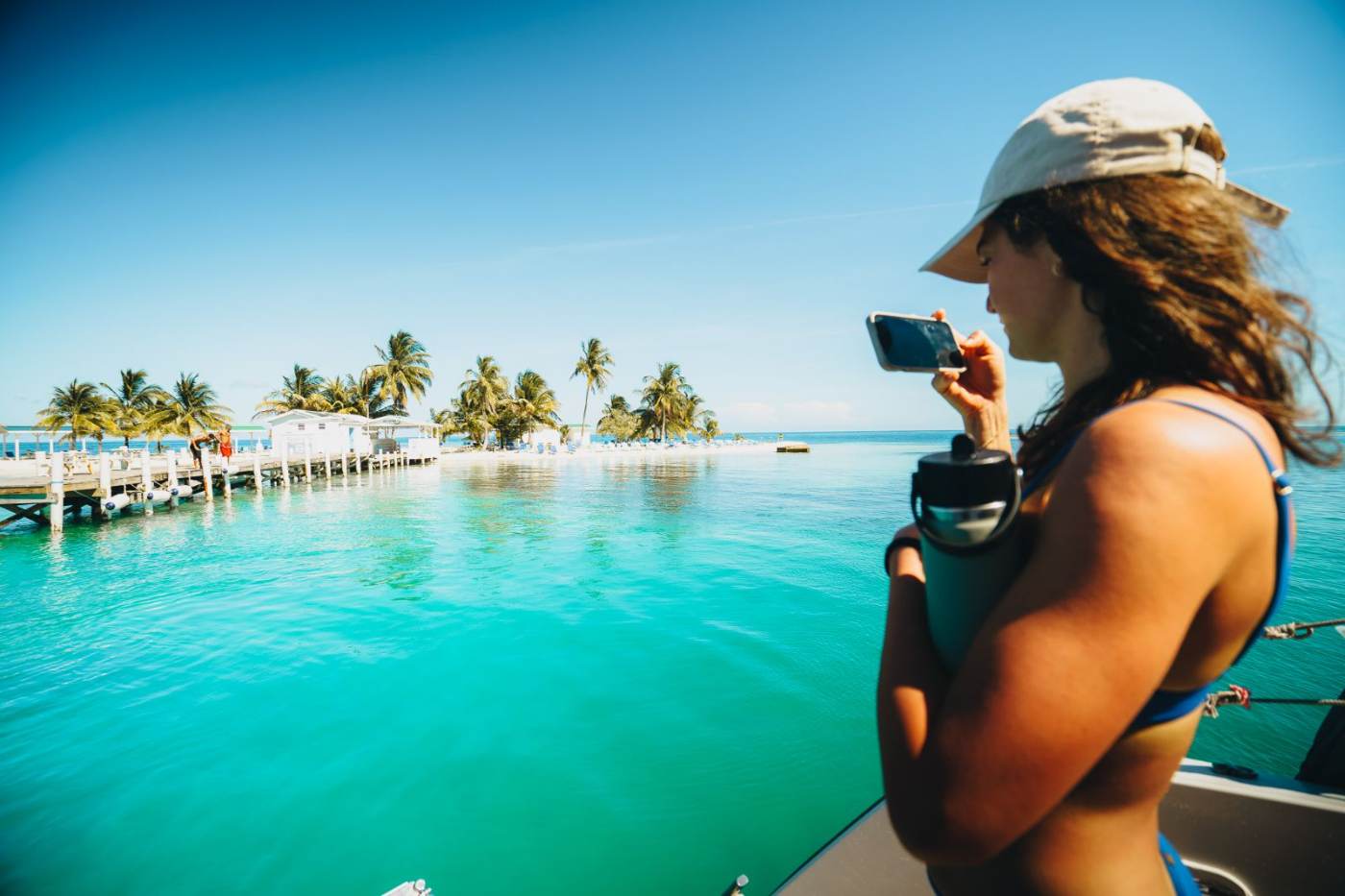
Aerial view of the Split on Caye Caulker, where a channel cuts the island in twoA student photographing a palm-lined caye and dock from the bow of a boat
DAY 4Belize City · Caye Caulker

Travel to Caye Caulker

The transfer from Sarteneja to Caye Caulker is also a transfer between two coastal economies. Students leave a fishing village where the bay is a resource to be managed and arrive on an island where the reef itself is the business. The comparison starts the moment they step off the ferry.

Morning
  • Farewell to host families, departure from Sarteneja
  • Ground transfer south to Belize City (about 3 hours)
Afternoon
  • Ferry transfer to Caye Caulker
  • Island orientation walk: how Caye Caulker functions as a place built on tourism
Evening
  • Group dinner
  • Framing discussion: comparing conservation-driven and tourism-driven coastal economies, using Sarteneja and Caye Caulker as the two cases
EVENING REFLECTIONSarteneja's economy comes from the bay. Caye Caulker's economy comes from the reef. What's the actual difference between those two relationships?

Overnight: Guesthouse, Caye Caulker (Night 1 of 3)
Logistics: Extended ground and ferry transport, island orientation, luggage handling on foot (no vehicle traffic on the island)

A snorkeler diving toward a coral garden in clear turquoise waterA reef shark swimming above sea fans and barrel spongesA green sea turtle rising toward the surface
DAY 5Belize Barrier Reef · Hol Chan Marine Reserve

Belize Barrier Reef and Hol Chan Marine Reserve

The Belize Barrier Reef is one of the largest marine protected areas in the Western Hemisphere, and Hol Chan was the first marine reserve established in the country. Students spend the full day in the water, using what they observe to assess reef health directly.

Morning
  • Full-day guided snorkel excursion on the Belize Barrier Reef
  • Visit to Hol Chan Marine Reserve
  • Coral bleaching: causes, visible signs, and what is at stake
  • Overfishing and how the loss of a single species can destabilize a reef system
  • Marine protected area enforcement: how a reserve like Hol Chan is actually managed
Midday
  • Lunch at sea
  • Continued snorkeling in coral garden zones
Afternoon
  • Species identification and reef health observation, using morning fieldwork to assess current reef condition
  • Return to Caye Caulker
Evening
  • Group dinner
  • Reflection workshop: how tourism protects and threatens the same reef at the same time
EVENING REFLECTIONYou just spent a day in the water tourism depends on. What did you see that made you more confident in this reef's future, and what made you less confident?

Overnight: Guesthouse, Caye Caulker (Night 2 of 3)
Logistics: Boat transport on open water, snorkeling safety and supervision, sun and heat exposure, marine protected area protocols

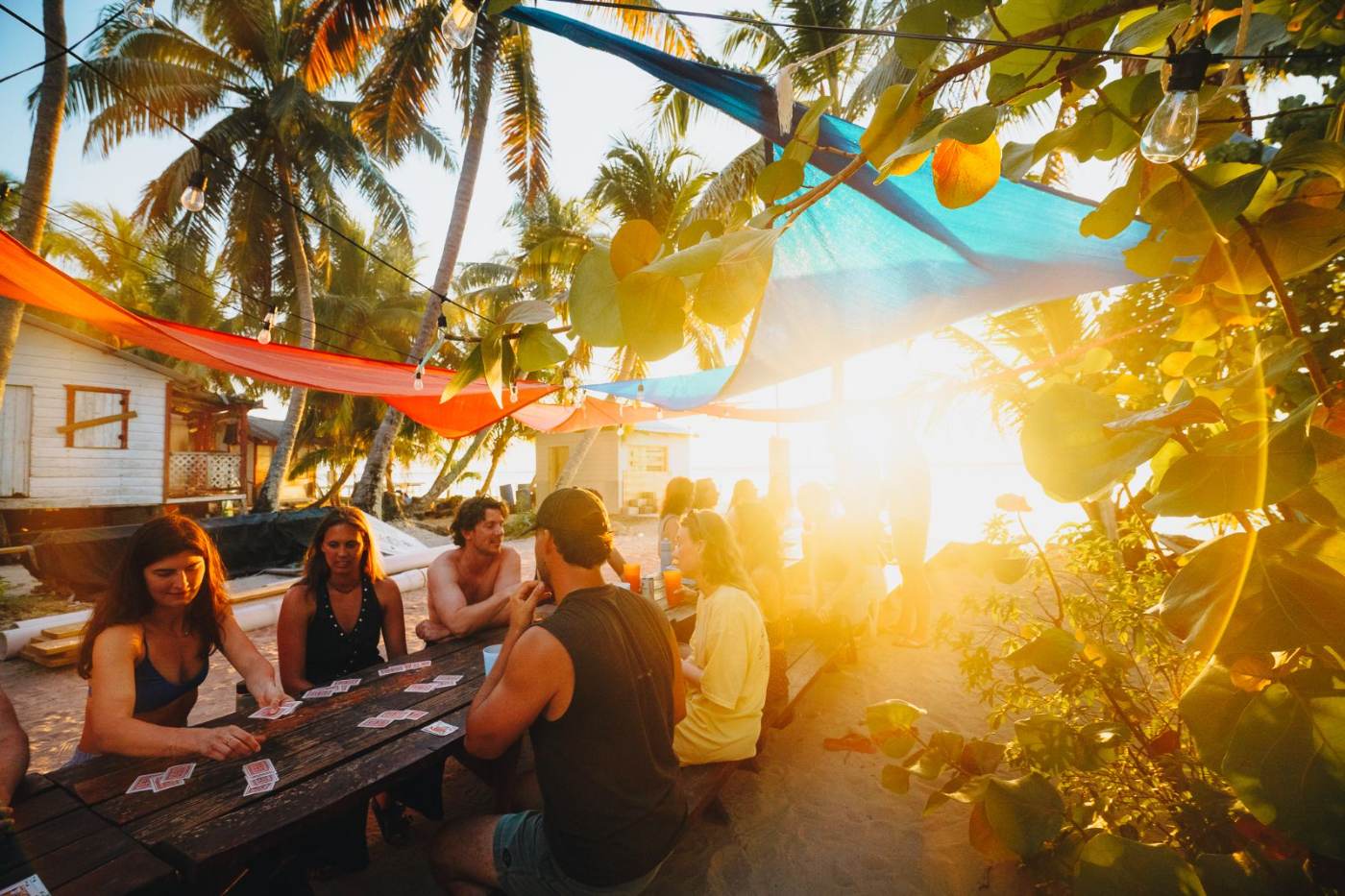
A Belizean student and a visiting student bumping fists while biking along the Caye Caulker waterfrontThe group playing cards at a long table under shade sails at sunset
DAY 6Caye Caulker

Youth Exchange and Tourism Economics

Caye Caulker's economy runs on tourism in a way Sarteneja's never has, and the people who understand that best are the students who grew up here. The day is built around listening to them.

Morning
  • Free time for journaling and processing before the afternoon exchange
  • Optional beach walk or independent reflection
Afternoon
  • Guided bike tour of the island led by local Belizean students
  • Visit to a local school for peer-to-peer exchange
  • Conversation on education, the environment, and growing up on an island where tourism is the economy
  • Structured listening exercise: students ask questions first and hold their own comparisons for the second half of the conversation
  • Discussion on Creole language, cultural preservation, and how young Belizeans describe sustainability on their own island, in their own terms
Late afternoon
  • Capstone workshop: comparing the fishing-based model in Sarteneja and the tourism-based model on Caye Caulker
Evening
  • Group farewell dinner on Caye Caulker
EVENING REFLECTIONWhat did the Belizean students say about their island that you would not have guessed on your own?

Overnight: Guesthouse, Caye Caulker (Night 3 of 3, final night)
Logistics: Bike safety and road-sharing protocols, school visit supervision, independent free time supervision

The group resting on a catamaran deck with the reef shallows behind them
DAY 7Departure

Departure and Synthesis

The program closes with the same question it opened with, now answered from two directions. Students leave with a working comparison of what happens to a coastline, and the people who depend on it, under two different economic models.

Morning
  • Ferry transfer to Belize City
  • Closing reflection: personal impact statements connecting Sarteneja and Caye Caulker to students' own communities and ecosystems at home
  • Final synthesis: conservation takeaways from land and sea
  • Transfer to Philip S. W. Goldson International Airport for departure

Logistics: Ferry and ground transport, airport coordination, group document check

Impact partners

The Rangers, Communities, and Protected Waters Behind This Program

These relationships come from years of direct partnership with the conservation organizations, protected-area managers, and coastal communities of northern Belize. Community access, entrance fees, and activity equipment are built into the program cost.
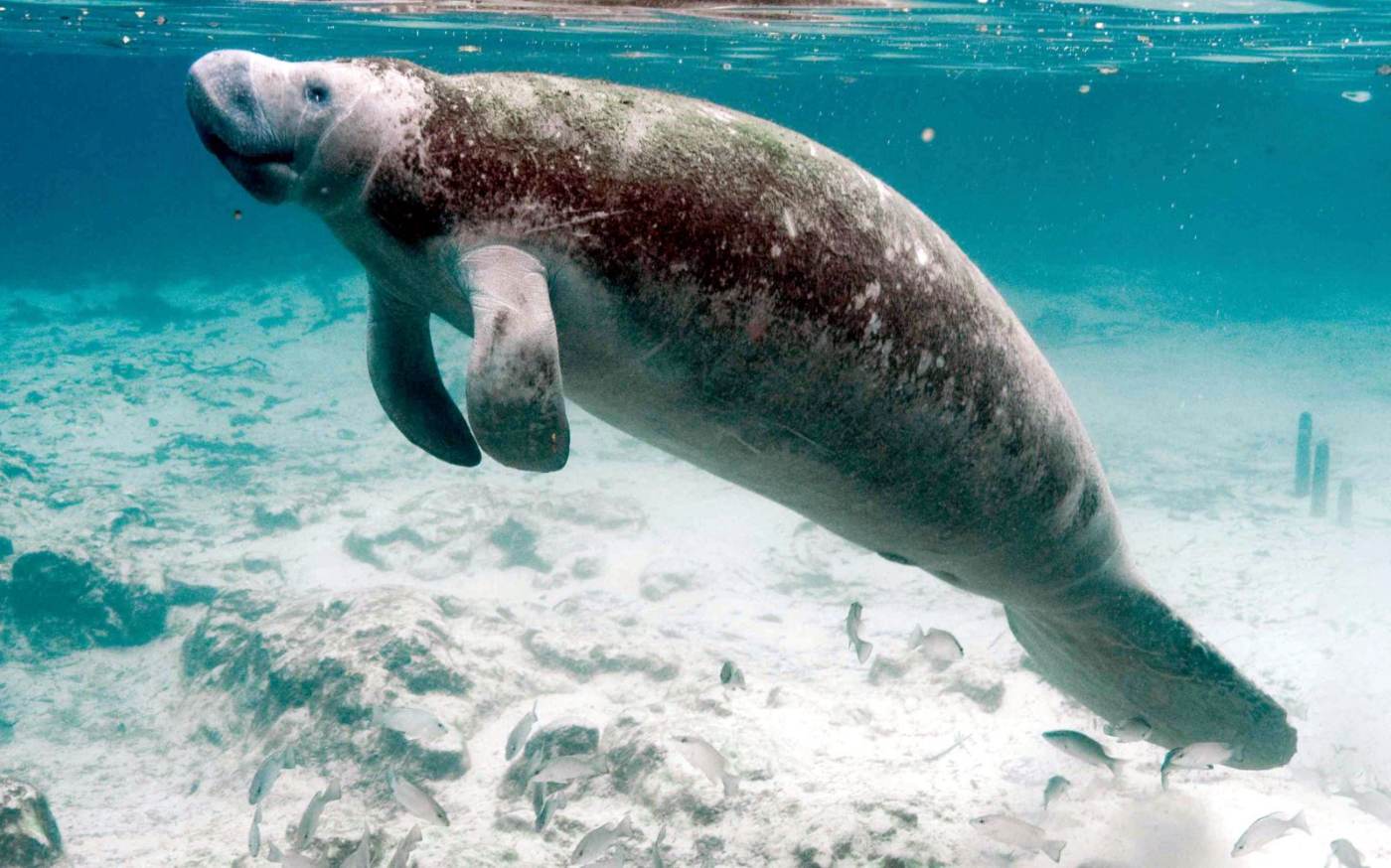
A West Indian manatee, one of the species protected in Corozal Bay Wildlife Sanctuary
Sarteneja Alliance for Conservation and Development logo Main partner · Days 1 to 3

Corozal Bay Wildlife Sanctuary

Co-managed by the Sarteneja Alliance for Conservation and Development (SACD)

Belize's second-largest marine protected area, covering about 178,000 acres of the Mesoamerican Reef's largest estuarine system and much of the shelf lagoon behind Ambergris Caye. Established in 1998, the sanctuary protects one of the country's most stable manatee populations, its only recorded bull shark nursery and pupping area, and its only stromatolite reef system.

The sanctuary buffers the northern barrier reef and destinations further south, including Hol Chan and Caye Caulker. SACD co-manages it, balancing conservation with the traditional fishing rights of Sarteneja and the other coastal communities that depend on the bay.

  • Manatee monitoring methods taught by sanctuary staff
  • Mangrove restoration alongside field rangers
  • Three nights with host families in Sarteneja, the community that fishes the bay

Student outcome: Students understand how a protected bay can also stay a working fishing ground, and who carries the cost of protecting it.

Lens of inquiry question: Who depends on this bay, and how is that dependence changing?

Wildlife rehabilitation · Day 3

Wildtracks

A Belizean wildlife rehabilitation and research organization in the Corozal District, working with manatees and primates rescued from injury, orphaning, or the illegal pet trade. It runs one of the only manatee rehabilitation programs in Central America and partners with the sanctuary on population monitoring and habitat protection. Students learn directly from veterinary and rehabilitation staff at a working facility not open to general tourism.

Student outcome: Students understand what brings an animal into care, what recovery looks like, and what a coastline has to provide for a released manatee to survive.

Lens of inquiry question: What has to be true about a coastline for a released manatee to survive on it?

UNESCO World Heritage site · Day 2

Bacalar Chico National Park

A park straddling the Belize and Mexico border, where mangrove wetlands, coastal forest, and reef-adjacent habitat meet in one unbroken landscape. Rangers who work the cross-border conservation agreements lead the day.

Student outcome: Students understand how mangroves protect both land and sea, and what it takes to protect an ecosystem that spans two countries.

Lens of inquiry question: What does a cross-border agreement actually require of the people who live near the border?

Marine reserve · Day 5

Hol Chan Marine Reserve

The first marine reserve established in Belize, on the Belize Barrier Reef off Caye Caulker. Certified guides lead a full day of snorkeling in its coral garden zones.

Student outcome: Students assess reef health directly: species identification, coral condition, and how a reserve is enforced.

Lens of inquiry question: How does tourism protect and threaten the same reef at the same time?

Youth exchange · Day 6

Caye Caulker Students and School

Belizean students lead a bike tour of their island and host a peer-to-peer exchange at a local school on education, the environment, and growing up where tourism is the economy.

Student outcome: Students practice listening first, then compare how young Belizeans describe sustainability on their own island.

Lens of inquiry question: What did the Belizean students say about their island that you would not have guessed?

Learning outcomes

Academic and Experiential Outcomes

Field Research and Conservation Skills

  • Mangrove restoration techniques, learned directly from field rangers
  • Manatee population monitoring methods used in Corozal Bay Wildlife Sanctuary
  • Reef health assessment: species identification, coral condition observation, and structured data recording
  • Field journaling and documentation practices across two distinct marine and coastal environments

Marine and Coastal Ecological Understanding

  • Mangrove ecology and its function in coastal protection, nursery habitat, and water filtration
  • Manatee biology, population threats, and the specific pressures of boat traffic and coastal development
  • Coral reef ecology: bleaching causes, overfishing impacts, and marine protected area design
  • Cross-border conservation, using Bacalar Chico as a case study in ecosystems that span political boundaries

Community and Economic Systems Thinking

  • Direct comparison of a fishing-based coastal economy and a tourism-based island economy
  • How conservation funding and enforcement differ between a wildlife sanctuary and a marine reserve
  • How Caye Caulker has built an economy directly dependent on reef health
  • A working framework for evaluating tourism's dual role in protecting and threatening the ecosystems it depends on

Personal Growth and Cross-Cultural Exchange

  • Peer-to-peer exchange with Belizean students through a guided bike tour and school visit
  • Comfort with open water, boats, and extended time on uneven coastal terrain
  • Confidence navigating unfamiliar communities and building relationships across language and culture
  • Practice listening first in cross-cultural exchange, before leading with their own comparisons
Before you go

Trip Preparation

Passports

Every traveler needs a passport valid at least 6 months beyond the departure date.

Flights

International airfare to and from Belize City (BZE) is included. Somos coordinates the group booking and airport transfers.

Travel Insurance

Comprehensive coverage is required for all students and adults, and is not included in the program cost.

Vaccinations

Consult a travel health clinic. Standard Belize recommendations apply.

Swimming and Water Comfort

The program includes open-water swimming, snorkeling in current, and extended time on boats and ferries. Students should be comfortable in open water.

Communication

Somos uses WhatsApp for in-country group communication. Every adult leader should have it installed before departure.

Money and Banking

Notify your bank of international travel before departure so cards work in-country.

Packing list

Mangroves, Boats, and Reef

Northern Belize and the cayes are hot and humid, with strong sun on the water and rain possible any day. Snorkel equipment is provided. Somos sends a specific gear list before departure.

Daily Wear and Travel Days

  • Lightweight, quick-dry layers
  • Light long sleeves for sun protection on boats
  • Rain jacket
  • Comfortable walking shoes and sandals

Field, Boat, and Water Days

  • Closed-toe water shoes for wet mangrove terrain (required)
  • Swimwear and a rash guard or swim shirt
  • Sun hat, sunglasses with a strap, and reef-safe sunscreen
  • DEET insect repellent
  • Daypack, refillable water bottle, field journal and pen
  • Quick-dry towel

Community Visits and Homestays

  • Modest clothing for village walks, the school visit, and homestay meals
  • One nicer outfit for the farewell dinner on Caye Caulker

Optional

  • Dry bag for boat days
  • Camera or GoPro with a waterproof case
  • Binoculars
  • Small padlock
  • Headlamp

Documents and Essentials

  • Passport valid 6+ months
  • Printed travel insurance details
  • Emergency contact card
  • Personal medications in original packaging
  • Vaccination records
FAQ

Answers to Your Questions

For Teachers and Administrators

How does this align with our curriculum?

The program runs on one driving question and three lenses of inquiry, with outcomes in field research, marine and coastal ecology, economic systems thinking, and cross-cultural exchange. Somos adapts the framework to your school's academic goals and provides pre-trip and post-trip materials.

What is the student-to-adult ratio?

Groups of 10 to 24 students travel with your school's adult leaders, and one teacher travels free for every 8 to 10 students. Bilingual guides are with the group throughout, and certified guides supervise all swimming and snorkeling.

How are medical emergencies handled?

Guides are CPR and first-aid certified and carry medical kits on every activity. Somos provides 24/7 in-country support and emergency communication, with protocols specific to open water, boat transfers, and island logistics.

What is the commitment and cancellation timeline?

A $500 deposit per traveler holds a place. 50% of the program cost is due 90 days before departure and the remainder 60 days before. Cancellations more than 90 days out are refunded in full, excluding the deposit. See the Pricing tab for the full policy.

Can we customize the itinerary?

Yes. This itinerary is a starting point. Somos aligns every element with your school's academic framework, grade-level learning goals, and approach to experiential education.

For Parents and Students

Is this right for a first-time international traveler?

Yes. Many of our students have never traveled without family. Pre-trip preparation covers each site and the homestays, and bilingual guides are with the group from arrival to departure.

How physically demanding is it?

Moderate, with specific demands: open-water swimming, snorkeling in current, long days on boats and ferries, and walking on wet, uneven mangrove terrain. Students should be comfortable in open water.

What are the homestays like?

Students spend three nights with vetted host families in Sarteneja, in private, secure rooms. Meals are shared with the family, and adult leaders and guides stay close by.

How will students stay in touch with home?

Adult leaders and Somos staff communicate over WhatsApp throughout the trip. Before departure, families receive a daily communication framework so everyone knows when and how updates arrive.

Can dietary needs be accommodated?

Yes. Share dietary needs and allergies on the traveler forms and Somos briefs host families, guesthouse kitchens, and restaurants in advance.

What if my student gets homesick?

It happens, usually around day two or three. Daily reflection sessions, a steady group routine, and guides who check in one-on-one give students somewhere to put it.

How much spending money should students bring?

Nearly all meals are included. Students need money for 1 to 2 independent meals, souvenirs, and personal expenses. Tips for guides and drivers are optional and separate; Somos shares a recommended range before departure.

Program rate

Pricing and Logistics

This program is offered at $3,550 per student, all-inclusive, covering international airfare, lodging, meals, transportation, guiding, and activities as detailed below. One teacher travels free for every 8 to 10 students. A detailed cost breakdown follows program confirmation.

Budget target
$3,550per student, airfare included
Duration
7 days, 6 nights
Group size
10 to 24 students, plus adult leaders
Teachers
One free per 8 to 10 students
Request a custom quote
Six nights, two bases

Where Students Stay

Mangrove branches framing a sunset over the northern Belize coast
Nights 1 to 3

Homestays, Sarteneja

Vetted Somos partner families in the fishing village on Corozal Bay, with private, secure rooms for students and meals shared with the family.

Students playing cards at a beachside table under shade sails at sunset
Nights 4 to 6

Guesthouse, Caye Caulker

A base on a car-free island a short boat ride from Hol Chan, with the reef, the school, and the island's tourism economy all within walking distance.

Included in the Program

Accommodations

  • 3 nights homestay with vetted Somos partner families, Sarteneja, Corozal District
  • 3 nights guesthouse, Caye Caulker
  • All rooms with private access to bathrooms and secure facilities

Meals

  • All breakfasts
  • Most lunches, including a working lunch inside Bacalar Chico National Park
  • Most dinners, including the farewell dinner on Caye Caulker
  • Water and hydration during all field activities

Transportation

  • International airfare
  • All ground transportation in private, licensed, insured vehicles
  • Airport transfers on arrival and departure
  • Boat transfers to Bacalar Chico and Corozal Bay Wildlife Sanctuary
  • Ferry transfers to and from Caye Caulker

Activities and Guides

  • Professional bilingual guides trained in educational travel and youth programs
  • Bacalar Chico National Park guided expedition
  • Corozal Bay Wildlife Sanctuary excursion and Wildtracks facility visit
  • Full-day Belize Barrier Reef and Hol Chan Marine Reserve snorkel excursion with a certified guide
  • Youth exchange bike tour and school visit on Caye Caulker
  • All community access, entrance fees, and activity equipment

Educational Support

  • Pre-trip materials for teachers and students
  • Lens of inquiry facilitation throughout the program
  • Daily structured reflection sessions and field journaling materials
  • Post-trip educational resources

Safety and Logistics

  • 24/7 in-country supervision and emergency support
  • Comprehensive risk management protocols
  • Emergency communication systems

Not Included

  • Travel insurance (required)
  • Personal expenses and souvenirs
  • Optional tips for guides and drivers
  • Meals noted as independent (typically 1 to 2 during the program)

Payment and Cancellation

Deposit$500 per traveler, non-refundable, honored for life toward any future program
90 days out50% of the program cost due
60 days outBalance due
More than 90 days outFull refund, excluding deposit
90 days or fewerNo refund

If Somos cancels for low enrollment, travelers receive a full refund including the deposit. Force majeure events may be rescheduled or refunded in part or full at Somos's discretion, excluding the deposit. Cancellation notice must be sent in writing to team@somos.travel. Full terms: Terms and Conditions.

Next steps

Take the first step on your journey today.

This itinerary is a starting point. We will align every element with your school's academic framework, grade-level learning goals, and preferred approach to experiential education.

Start Planning Your Journey
Contact Shad Qudsi Somos Impact Travel shad@somos.travel WhatsApp +502 4681 4697