Volcanoes, Farms & Lake: Guatemala

Experience Guatemala through service, adventure, and connection, where every moment creates meaningful impact.
kayuco
antigua 3
quixaya
antigua 1
group pickup
active volcano
student on bridge
silhouette volcano cloud
night volcano lava
antigua 2
Tzununa-village
Waterfall
volcano hike guide
river boat
group-volcano
pacaya volcano

GOULD ACADEMY,
GUATEMALA, MARCH 2027

This 12-day expedition takes 9th grade students from Gould Academy in Bethel, Maine into the heart of Guatemala’s Western highlands. From the cobblestone streets of colonial Antigua to the volcanic rim of Lake Atitlan, from a homestay in a Kaqchikel farming family’s home to a reforestation nursery in the cloud forest above Santiago Atitlan, every site has a story. Every community member is a teacher.

The program is built around three anchors: vetted homestay immersion with Antigua-area families, direct partnership with Wellkind Guatemala and the Quixaya agricultural cooperative, and a structured Lens of Inquiry framework tied to Gould’s Four Point model. Student travelers engage, work alongside, and listen.

Daily reflection sessions connect field observations to the questions that matter most: how traditional Mayan land practices function as applied ecology, how cooperative structures enable food sovereignty, and what it means to sustain a community, a language, and a forest at the same time. Students arrive curious. They leave with context no classroom can provide.

What does it mean to live in reciprocity with the land, and what can indigenous agricultural communities in Guatemala teach us about building food systems that sustain both people and ecosystems?

Ecological observation

Students examine active volcanism, watershed ecology, and cloud forest hydrology as living systems that shape every community and agricultural practice encountered on the program.

Indigenous agricultural systems

From the milpa fields of Quixayá to the reforestation nurseries of Wellkind Guatemala, students investigate how Mayan land stewardship functions as applied science rather than tradition alone.

Cultural continuity and community exchange

Through homestays, cooperative visits, and direct exchange with Tz’utujil and Kaqchikel community members, students study how cultures adapt, persist, and make deliberate choices about what they keep.

The Four Point framework in the field

Every field experience is examined through Gould’s core commitments to wilderness, travel, service, and personal challenge, connecting the program to Gould’s academic mission at every step.

Gould Academy, Guatemala, 12 Days

DAY 1

Arrival and orientation in Antigua

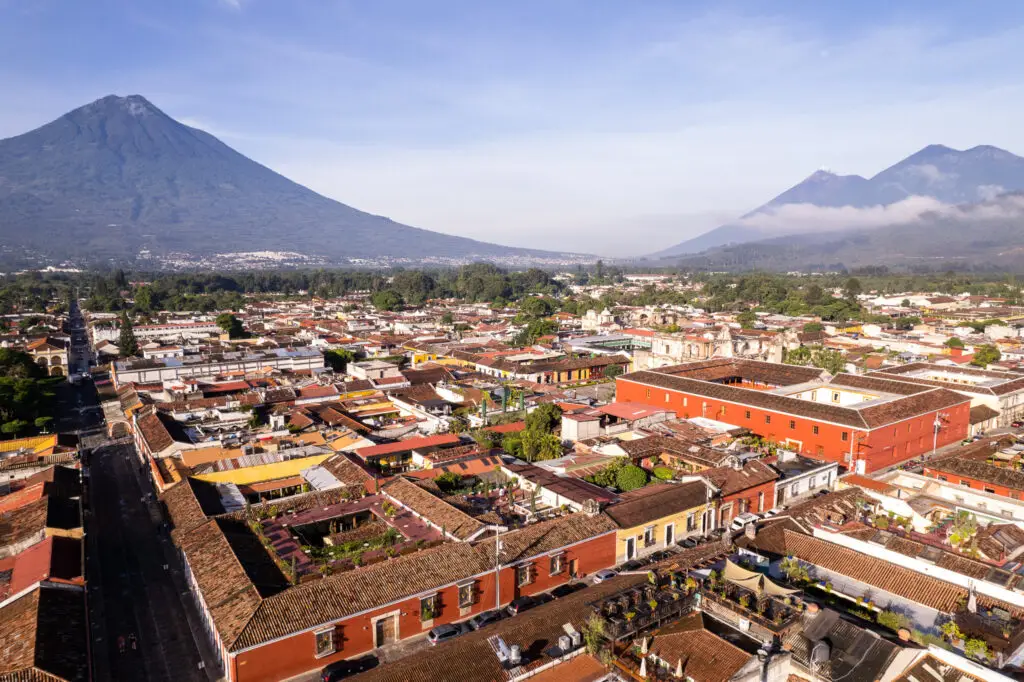
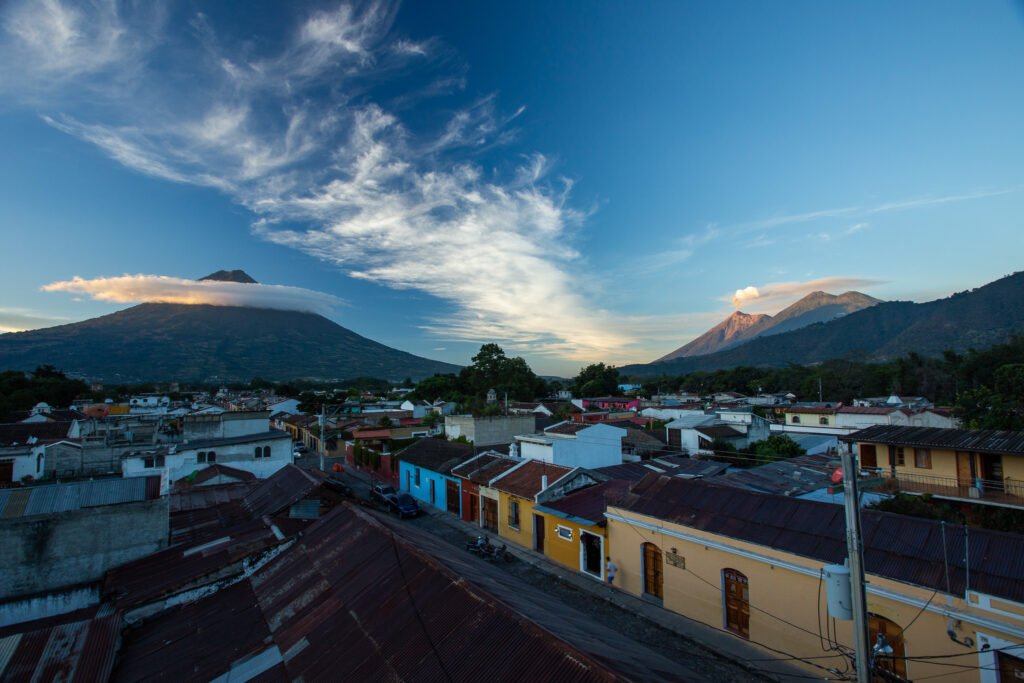
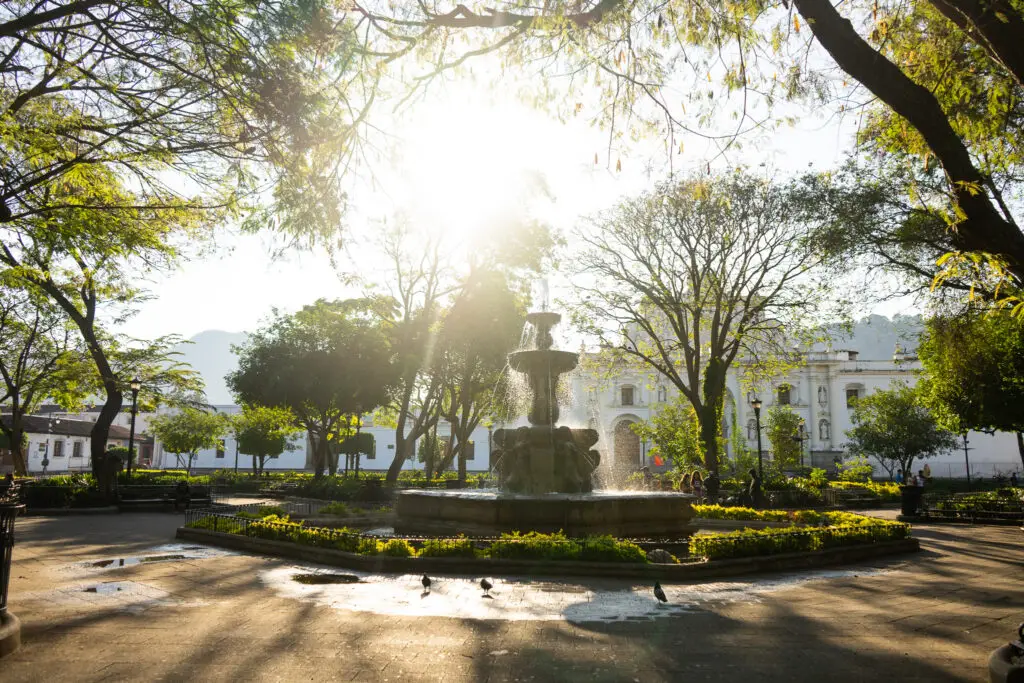
Arrival and orientation in Antigua Students encounter Guatemala's volcanic landscape and colonial architecture for the first time and are introduced to the program's driving inquiry.

Coffee, farmers, and the living economy
DAY 2

Coffee, farmers, and the living economy

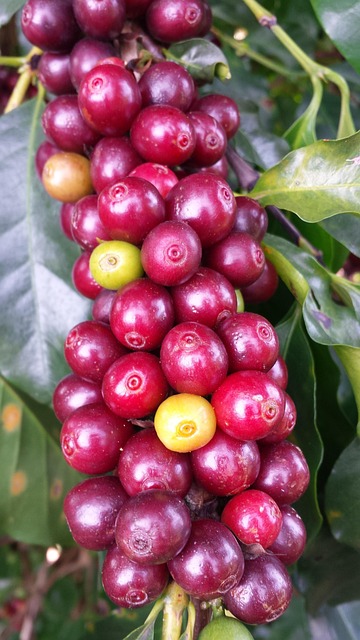
Students trace a coffee crop from the soil to the global market and examine how small-scale producers navigate cooperative economics.

Homestay day 2 and Spanish immersion
DAY 3

Homestay day 2 and Spanish immersion

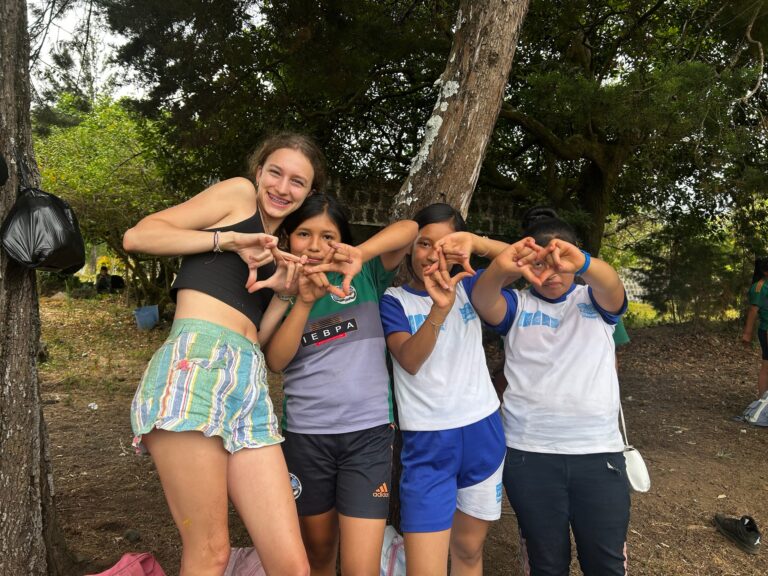
Students practice cross-cultural communication and develop direct observation skills through market navigation and community interaction.

Highland transition and Iximché
DAY 4

Highland transition and Iximché

Students examine the long arc of Mayan highland civilization and study how communities maintain identity through centuries of disruption.

Reforestation and lake ecology
DAY 5

Reforestation and lake ecology

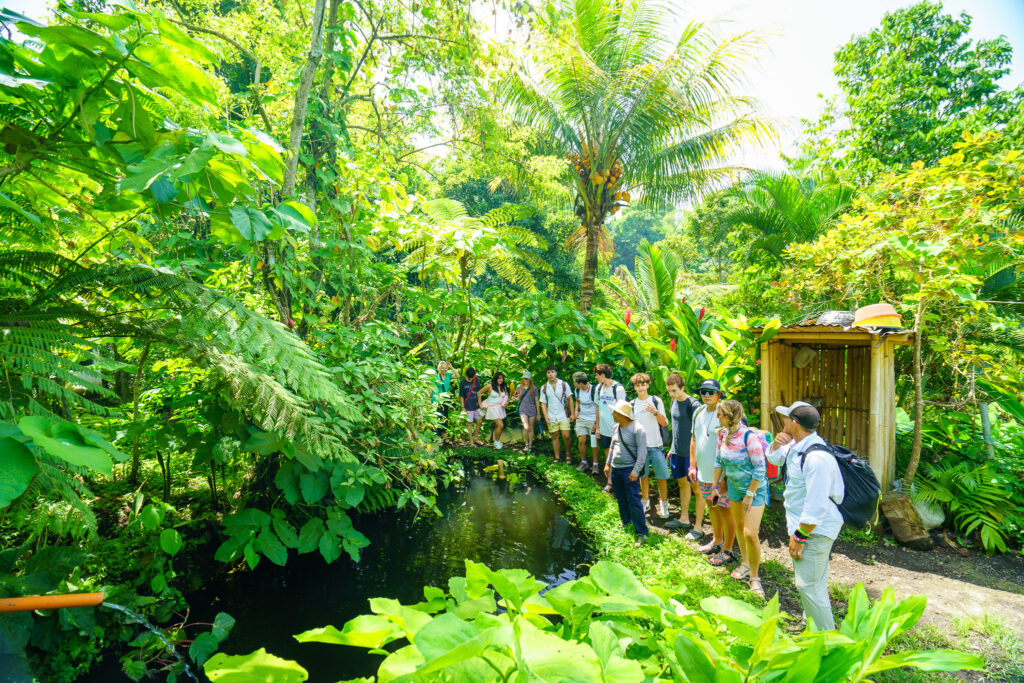
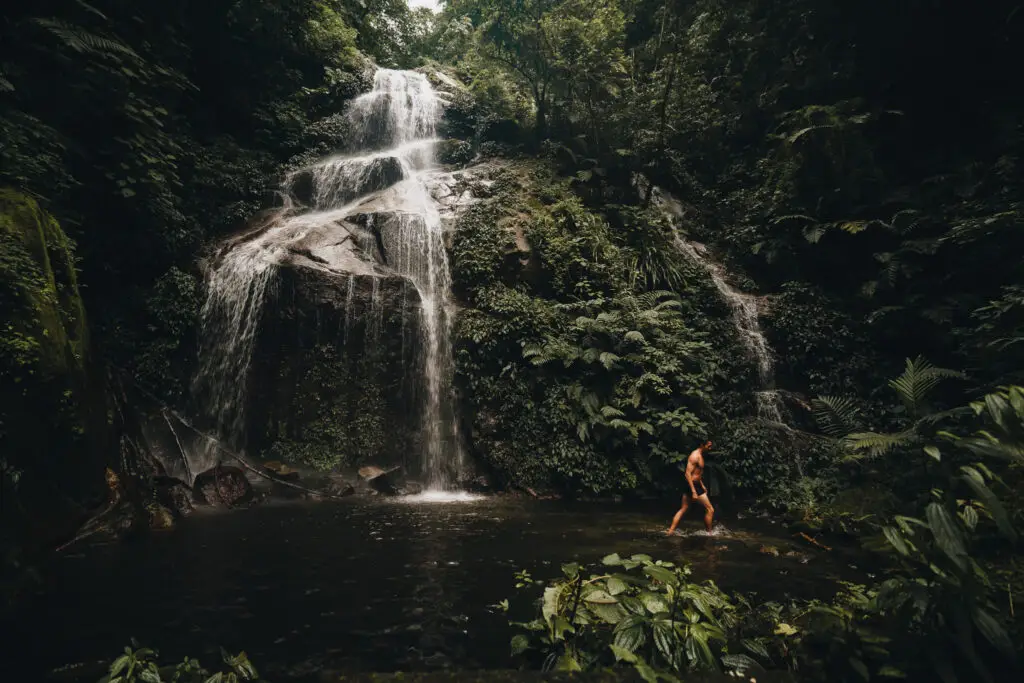
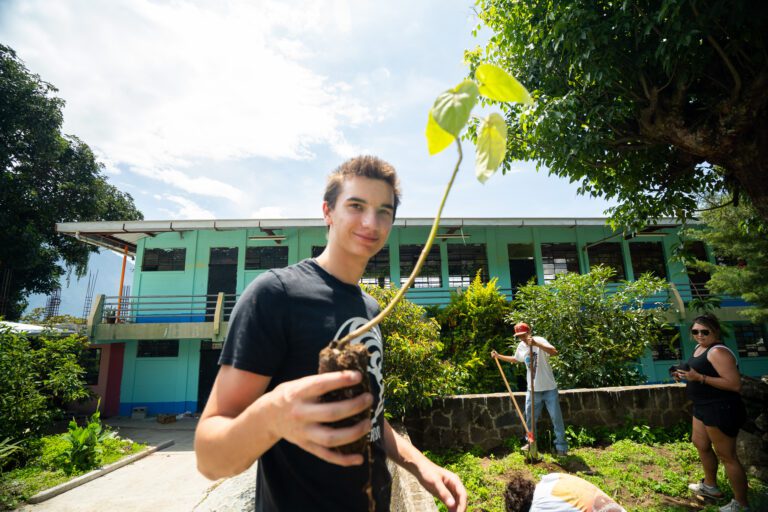
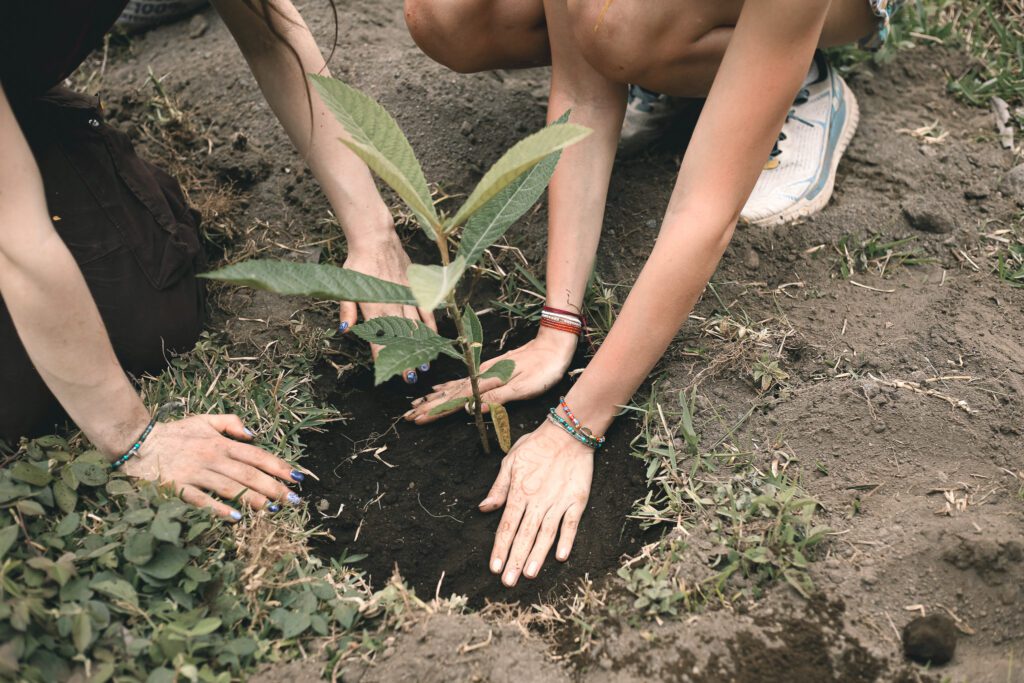
Students work alongside the Wellkind field team to understand how watershed restoration connects forest health, lake ecology, and community water systems.

Quixayá permaculture field visit and move to San Juan
DAY 6

Quixayá permaculture field visit and move to San Juan

Students investigate indigenous agricultural systems as ecological science through four hours at a 400-acre Kaqchikel Maya cooperative.

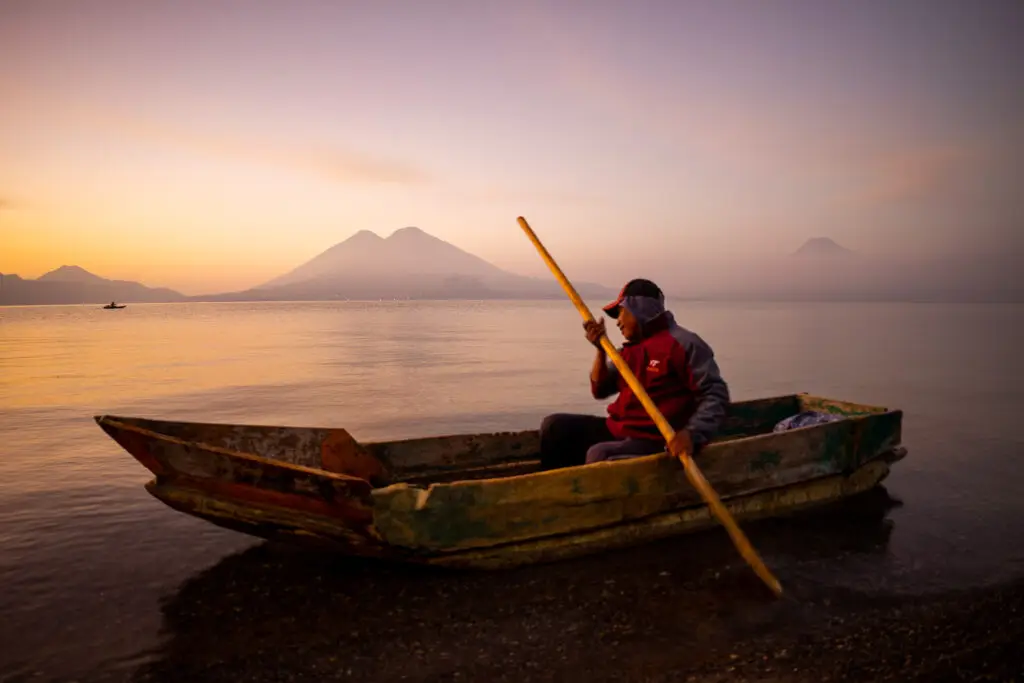
Sunrise, music, and the living culture of San Juan
DAY 7

Sunrise, music, and the living culture of San Juan

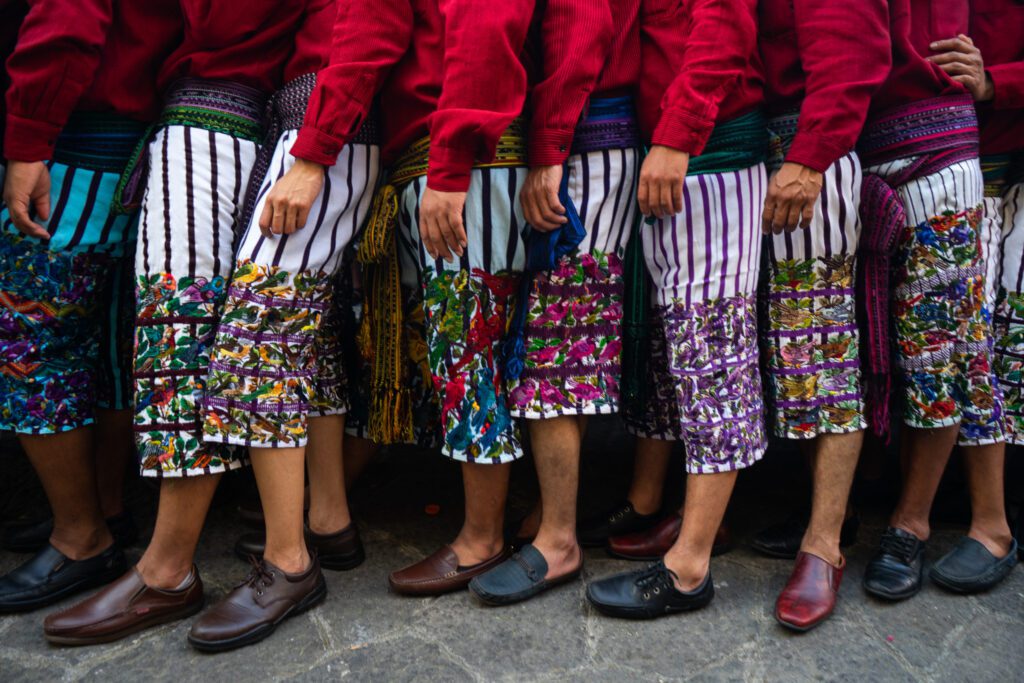
Students explore cooperative economics, traditional textiles, and Tz’utujil land practices as expressions of community self-determination.

Service learning abroad for high school students
DAY 8

Santiago Atitlán: cloud forest, conservation, and community

Students trace the connection between highland forest restoration and lakeshore water security through field work with Wellkind staff.

Return to Antigua and Volcán Pacaya
DAY 9

Return to Antigua and Volcán Pacaya

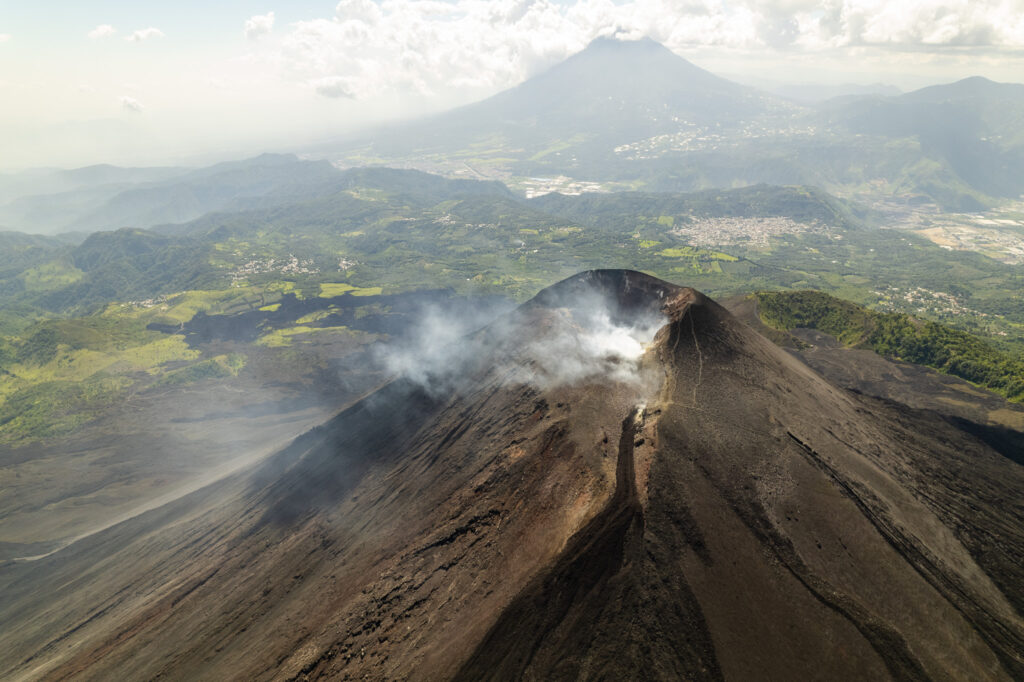
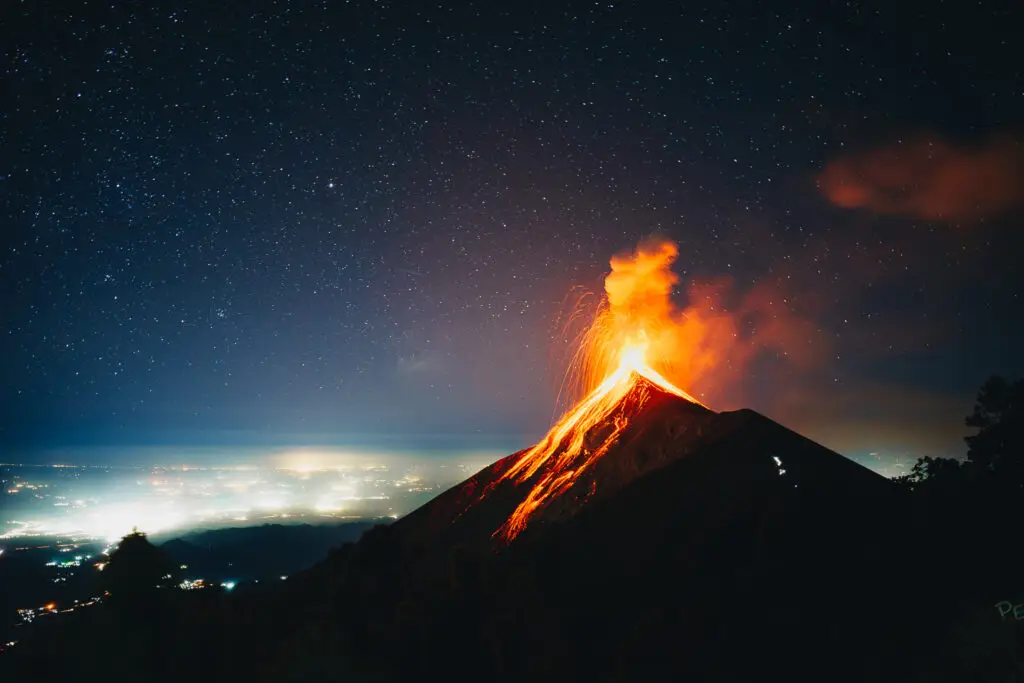
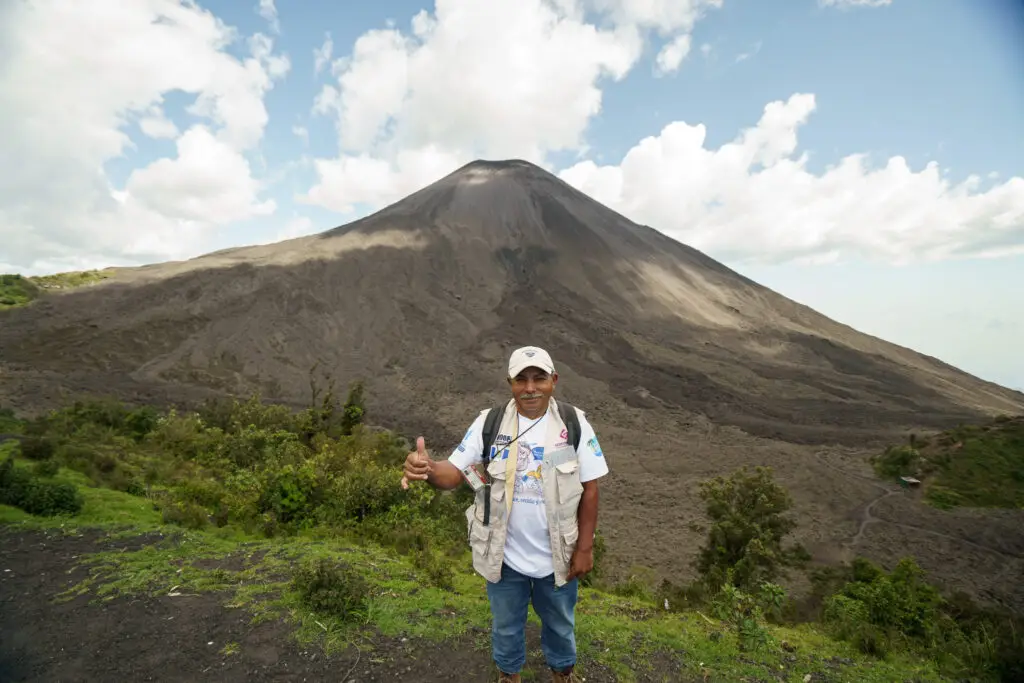
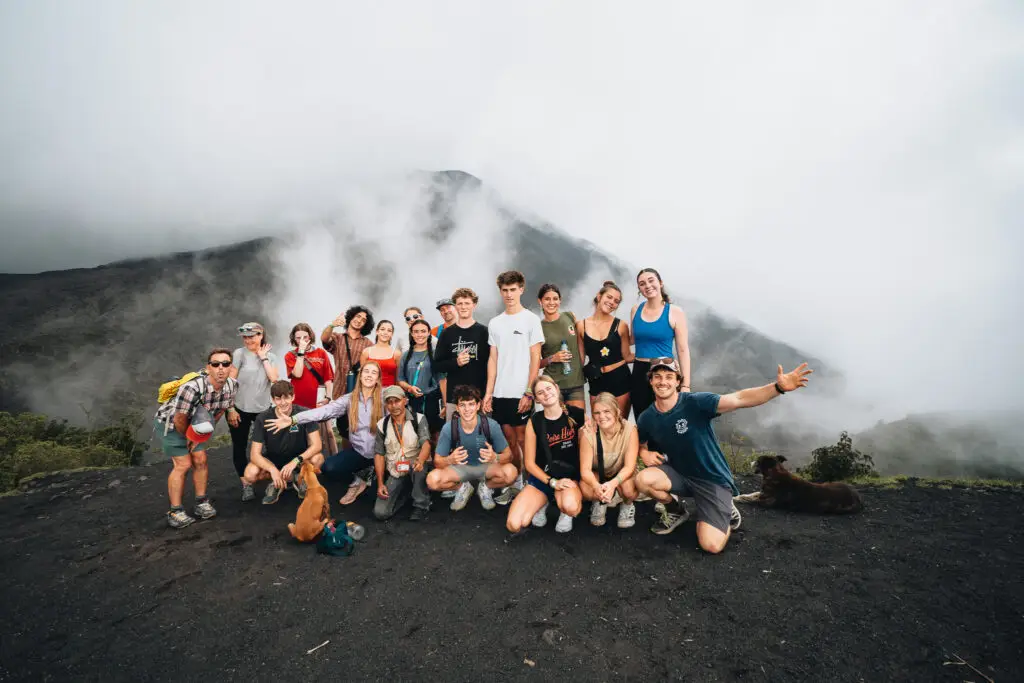
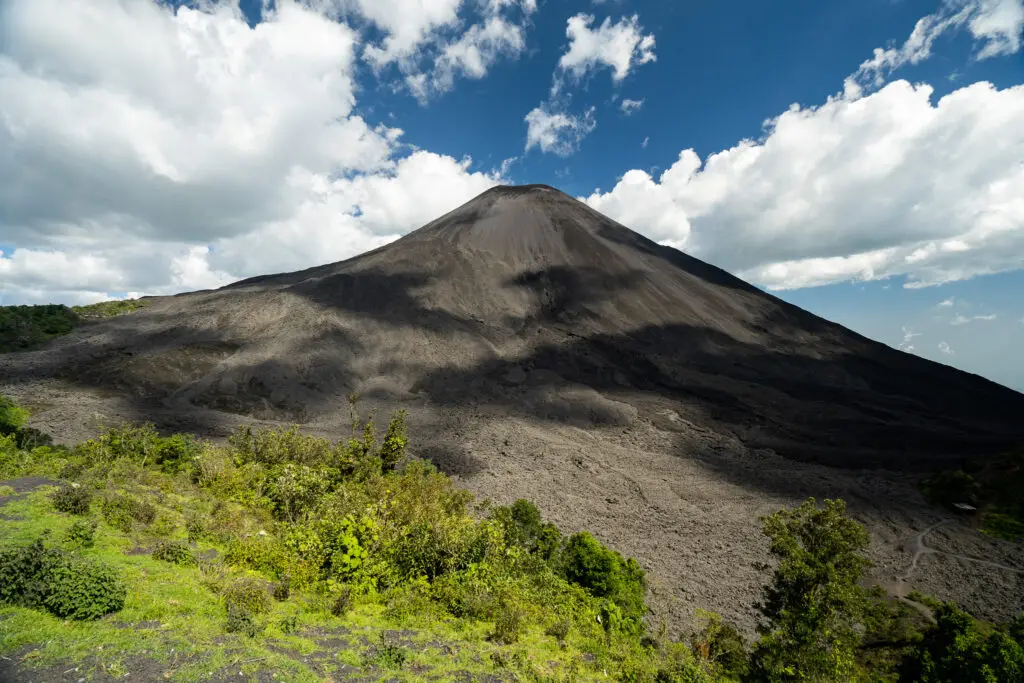
Students observe active volcanism and plate tectonics directly, connecting the geological forces beneath the landscape to every ecosystem and community visited.

Cacao, chocolate, and closing synthesis
DAY 10

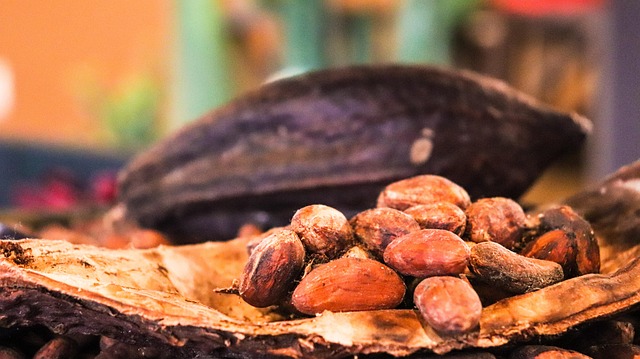
Cacao, chocolate, and closing synthesis

Students examine cacao as an agricultural system, cultural heritage, and global commodity, then synthesize the full program arc through the Lens of Inquiry framework.

Ecofiltro, traditional cooking, and farewell
DAY 11

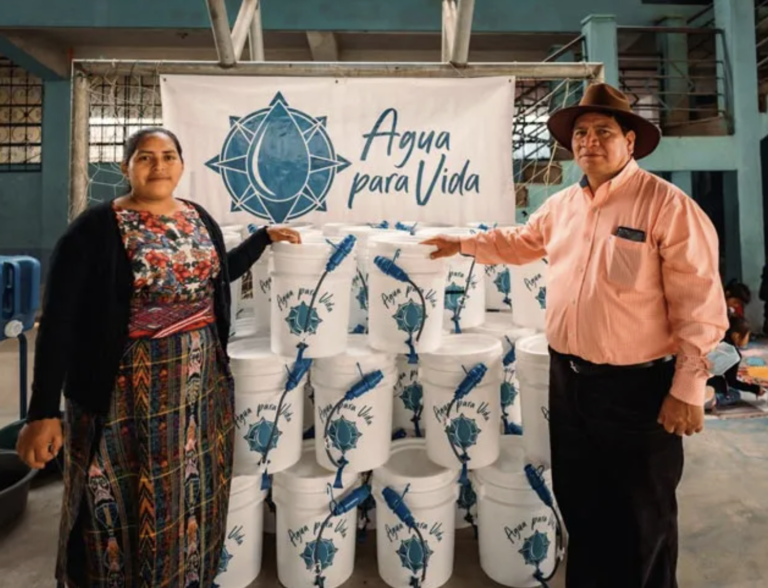
Ecofiltro, traditional cooking, and farewell

Students encounter social enterprise at scale and close the program together over a traditional meal they prepare themselves.

Departure
DAY 12

Departure

Students depart with a final morning synthesis connecting academic content to personal growth and future application.

× Popup View

Impact Partner​

True impact is found in what remains long after the plane departs. This journey is designed to support sustainable infrastructure and local autonomy, ensuring that the relationships formed and the resources contributed continue to empower our community partners well into the future.

Wellkind Guatemala: reforestation and lake ecology

Student outcome: Students examine indigenous-led watershed restoration as applied ecological science, tracing the direct connection between cloud forest health above the lake and water quality in the communities below.

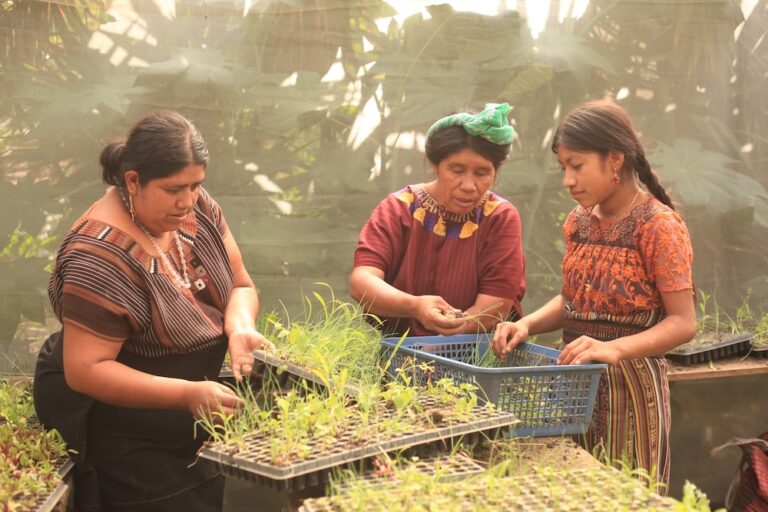
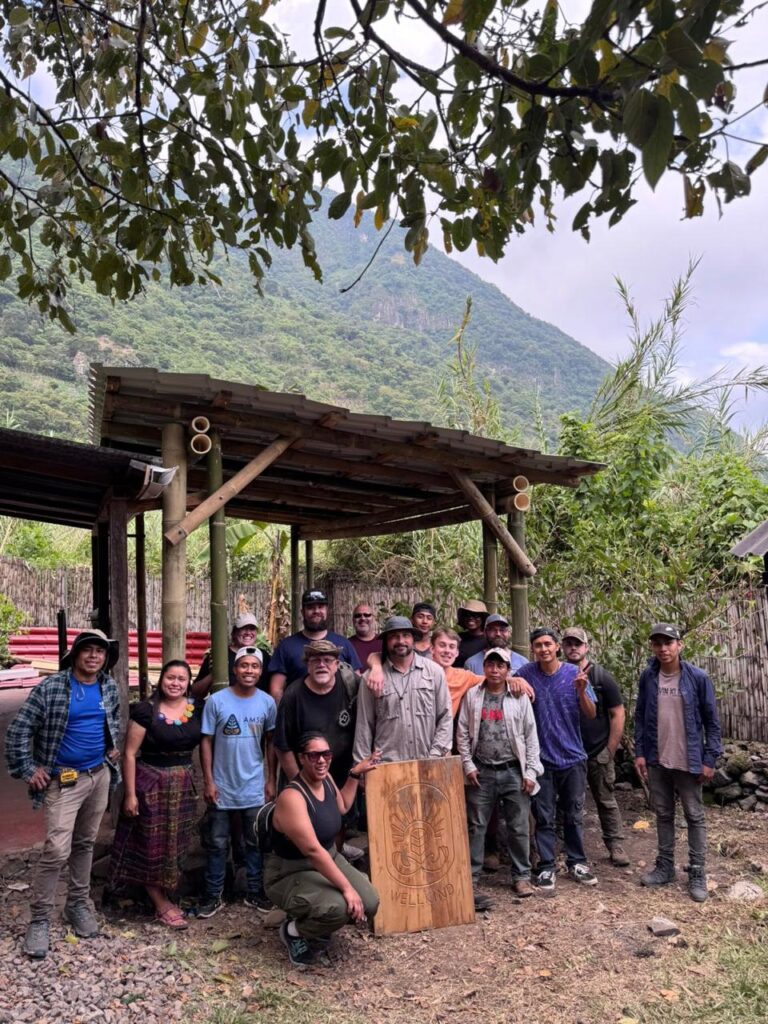
WellKind Guatemala is a Maya-led conservation organization working in the Western Highlands above Lake Atitlán, where the health of the cloud forest determines the water security of every village on the lakeshore below. Their approach treats indigenous land management as the core strategy, not an add-on to it. Local Maya communities carry generations of knowledge about this terrain, what species belong where, how rainfall moves through the watershed, and what long-term stewardship actually looks like on the ground. WellKind’s staff, from field technicians to nursery managers, come from the communities they serve, which means the work students see isn’t conservation done to a place but conservation led by the people who live there and depend on it.

Reforestation in Guatemala

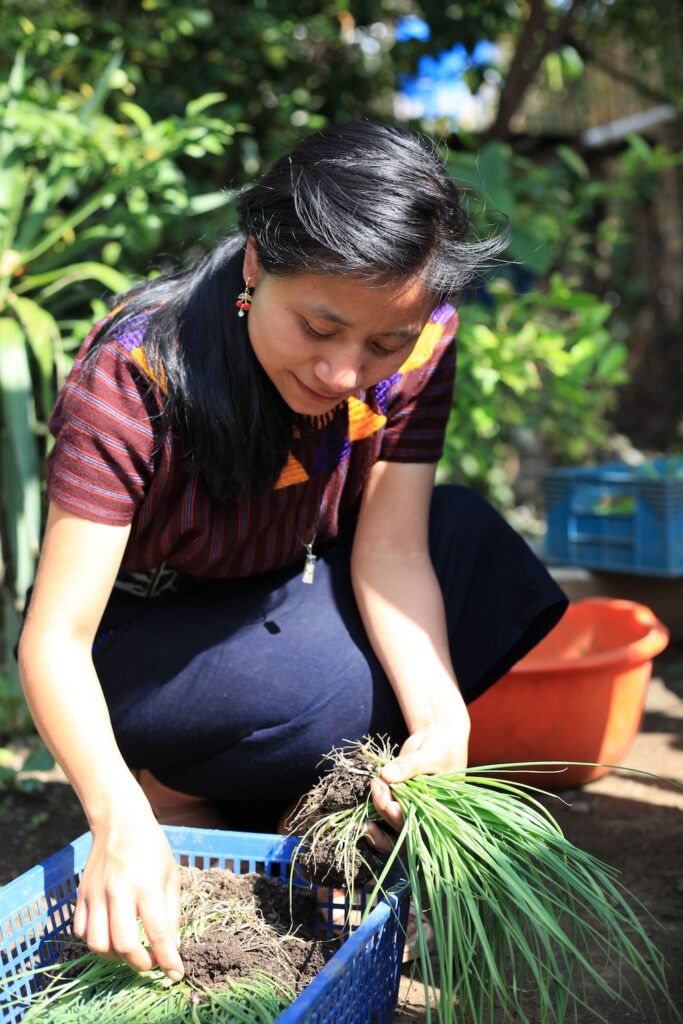
Groups engage with WellKind through hands-on restoration work: reed planting along the shoreline, propagation and transplanting at the native species nursery, and direct conversation with community staff about the tradeoffs between agriculture, deforestation, and long-term water access. Several of WellKind’s nursery programs are run by women from Tzununá and nearby villages, and groups can support that work directly through seedling purchases, nursery funding, or longer-term partnerships. This kind of engagement gives students a chance to see what accountability looks like when the people restoring the land are the same people who will live with the results. Worth asking before students arrive: who decides which trees get planted and where, who owns the land being restored, and why that ownership shapes whether the restoration holds. It’s also worth asking what it would take for a group to move from a single visit to a recurring relationship with the nursery or the community it supports. Those questions are what the lens of inquiry is meant to surface.

Lens of inquiry question: How does the decision to restore a forest at altitude change the quality of life at the lakeshore below, and who makes that decision?

testimonials

The way people live in Guatemala is much different than in Idaho. Immersing myself in their country taught me to appreciate the little things more.

Raiya Horseman Boise High School, 2025

Seeing the kids, walking the hike in the pouring rain, and playing mafia helped me see different perspectives. It showed me the importance of leaving a positive footprint.

Cora Nelson Boise High School, 2025

The service work was great. Learning more about Shad and WellKind’s efforts is very inspiring.

Cameron Luff Boise High School, 2025

I learned so much about myself and I feel like I grew so much. This trip was so much more than I expected.

Claire LaMastra Boise High School, 2025

I learned that I really enjoy learning about different cultures. It inspired me to continue learning Spanish and connecting across language barriers.

Alexandra Hawthorne Boise High School, 2025

I felt personal growth and development by practicing patience. I learned that I can try difficult things even when I’m anxious.

Natalie Duran Boise High School, 2025

Surfing, hiking, and trying new things helped me grow. I learned that discomfort leads to more personal growth than routine.

Sawyer Hayes Boise High School, 2025

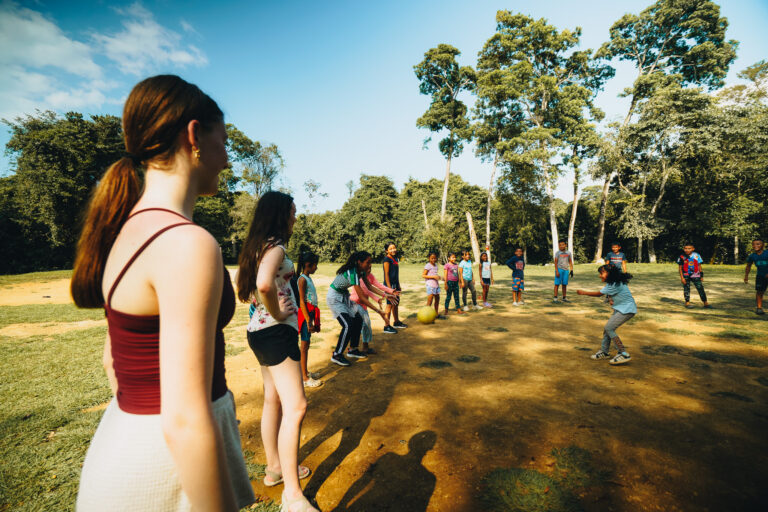
Playing games and making friends helped me feel connected. I experienced new things and overcame fears.

Emma Slattery Boise High School, 2025

I learned that I move very quickly in life. This trip reminded me to slow down and enjoy the present.

Gabbie Dingman Boise High School, 2025

I learned so much about myself and I feel like I grew so much. This trip was so much more than I expected.

Conor McCall Boise High School, 2025

I’ve learned that no matter where people are from, we are all human. This trip helped me connect with others using Spanish and grow more confident.

Kate Jaques Boise High School, 2025

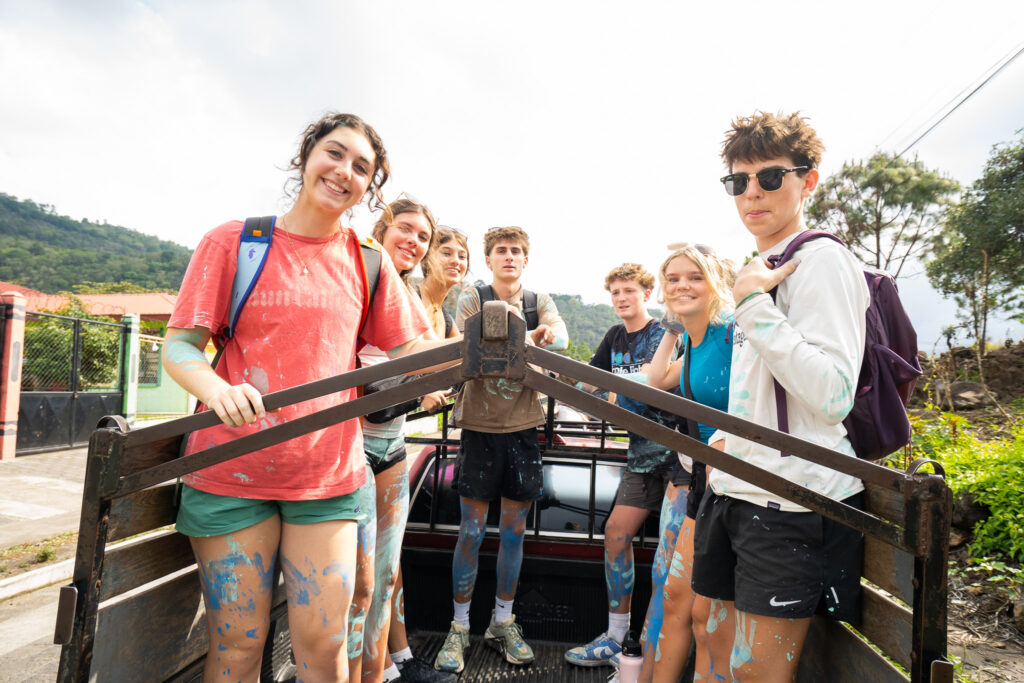
I think I really tried my best to make a positive impact by being respectful to everyone and helping out with the school projects.

Lucy Miller Boise High School, 2025

I think I made a positive impact by creating relationships and being a source of kindness and help during our work at the school.

Eli Richins Bishop Kelly High School, 2025

Learning outcomes

Field research skills

  • Sustained observation and scientific journaling across contrasting field environments
  • Inquiry-based questioning developed through direct exchange with community members and researchers
  • Synthesis of observations from multiple sites, communities, and ecosystems into coherent understanding
  • Direct application of Gould’s Four Point framework across wilderness, travel, service, and personal challenge
  • Practical navigation of unfamiliar cultural and physical environments with growing confidence

Ecological understanding

  • Direct observation of active volcanism, lava flow, and tectonic plate interaction at Volcán Pacaya
  • Understanding of how volcanic geology shapes soil fertility, agricultural systems, and community settlement patterns
  • Watershed ecology: the relationship between cloud forest cover, spring recharge, lake health, and community water systems
  • Riparian restoration methods and the function of reed systems in water filtration
  • Indigenous conservation models and permaculture principles examined as applied ecological science

Global systems thinking

  • Agricultural economics traced from farm to global market through coffee and cacao as paired case studies
  • Analysis of cooperative structures, producer-owned supply chains, and the economics of food sovereignty
  • Comparison of extractive and regenerative economic models at the farm, cooperative, and national policy scale
  • Critical engagement with the role of tourism in both supporting and undermining conservation outcomes

Cultural competency

  • Respect for Kaqchikel and Tz’utujil knowledge systems as rigorous, living intellectual traditions
  • Cross-cultural communication skills developed through homestay immersion and direct community engagement
  • Practical Spanish use in authentic domestic, agricultural, and commercial settings
  • Understanding of how cultural continuity functions as a form of ecological and community resilience

Personal growth

  • Confidence navigating unfamiliar environments, relationships, and routines without a structured safety net
  • Comfort with ambiguity and open-ended questions that do not have predetermined answers
  • Independence and personal responsibility in an international context
  • Community bonds built through shared physical and intellectual challenge that carry back to campus

Somos Impact Travel exists to be a bridge. We connect schools, service groups, and companies with the local leaders and grassroots organizations already doing the real work of solving global problems across Latin America, in conservation, education, agriculture, and community development.

Too often, students and travelers leave a place moved by what they saw, carrying stories and photos home, while the communities that hosted them stay exactly where they were. The relationship never has time to form. Somos was built to close that gap.

Our model is different by design. Students do not come to help. They come to learn from people who know things they do not. Our NGO partners and community leaders are the teachers and the protagonists of every program, never the supporting cast. That is a structural choice, not a marketing line.

Somos was founded by educators and travel leaders who spent decades living and working alongside these communities throughout Central America and Peru, and who saw firsthand what was missing from traditional travel models.

Every program is built on a deep commitment to safety, with rigorous planning, vetted in-country partners, and clear protocols behind every trip we run.

The communities we work with do not need visitors to save them. They need advocates who listen, partners who return, and students who go home with a real understanding of what is at stake, and what is working.
Operating in Central & South America
0 +
Directed to community partners
$ 0 k+
Global impact partners
0 +
School, NGO & corporate partners
0 +

Safety & Student Support

Every Somos program runs on protocols developed and refined across 10+ years of operations. Safety is what makes everything else possible

Every program has a named in-country contact reachable at any hour, with clear escalation protocols for medical, logistical, and emergency situations at every location.
All Somos guides hold current CPR and first-aid certification and carry comprehensive medical kits on every activity. Background checks are standard for all guide staff.

Every vehicle used in a Somos program is operated by a vetted, licensed, and insured provider with documented experience transporting student groups.

Safety protocols are location-specific. Jungle environments, high-altitude environments, water transport, and remote research stations each have dedicated protocols refined through a decade of in-country operations.

Included in Trip

  • All ground transportation in private, licensed, insured vehicles
  • Airport arrival and departure transfers
  • All accommodations
  • All breakfasts
  • Most lunches, including meals at community partner sites
  • Most dinners, including welcome and farewell dinners
  • Professional bilingual guides throughout the program
  • All activity fees, entrance fees, and workshop materials
  • Community partner donation included in program cost
  • Pre-trip materials for teachers and students
  • 24/7 in-country support and emergency communication

Not Included in Trip

  • International airfare (unless noted in your program quote)
  • Travel insurance (required for all participants)
  • Personal expenses and souvenirs
  • Optional tips for guides and drivers (appreciated, never required)

Program Rates

This investment includes all in-country land costs: accommodations, private transportation, all meals, field guides, and community partner impact fees.

Program Detail Requirements
Group Size 8–16 students
Deposit Amount $500 per traveler to secure registration
Commitment Deadline October 15, 2026

Payment terms and cancellation policy

Deposit A deposit of $500 per traveler secures your dates and confirms partner availability. The deposit goes toward your total program cost and is fully refundable within 30 days of booking. After 30 days, it is non-refundable. If you book within 60 days of departure, full payment is due at the time of booking.
Full payment Full payment is due 60 days before departure. Payment may be made in full at any time, or a monthly payment plan may be arranged during onboarding. All plan milestones and deadlines are confirmed at that stage.

Cancellation To cancel, notify Somos at team@somos.travel. Refunds are calculated from the date notice is received, excluding the deposit in all cases.

  • 61 days or more before departure: 100% refund of all payments excluding the deposit.
  • 60 to 30 days before departure: 50% refund of all payments excluding the deposit.
  • Less than 30 days before departure: No refund.

Your deposit, honored for life Your deposit is non-refundable, but it never expires. It may be applied to any future Somos program at any time. We stand behind this because we intend to be your travel partner for the long term, not just for one trip.

Trip confirmation In the event Somos is unable to run a program due to insufficient enrollment, you will receive a full refund of all payments including the deposit.

Force majeure In the event Somos is unable to provide the program due to circumstances beyond its reasonable control, including acts of God, war, terrorism, civil unrest, or pandemic, Somos reserves the right to reschedule the program or provide a full or partial refund of payments made, excluding the $500 deposit, at its sole discretion.

Somos strongly recommends comprehensive travel insurance for all participants. Many policies cover cancellation costs in circumstances that fall outside these refund tiers.

For teachers and administrators

The Guatemala program is built to support experiential education models, environmental science and social studies curricula, and global competency frameworks. It has been custom-designed for Gould Academy's Four Point framework and adapts readily to IB, AP Environmental Science, and school-specific immersion or global citizenship requirements. During the design phase, Somos works directly with your faculty to identify specific learning standards the program can map to.

Somos recommends a minimum of one adult for every five students. For groups of 10 or fewer, two adult leaders are standard. Somos guides are present at all times during activities, with lead guide and assistant guide coverage built into every day.

Every guide team carries a comprehensive medical kit and holds current CPR and first-aid certification. Somos maintains 24/7 in-country emergency communication, and every program location has a documented emergency action plan. Guatemala City's main hospital network is within range of all program sites for serious emergencies. For wilderness and field locations, evacuation protocols are prepared in advance and rehearsed by guide staff.

A signed agreement and deposit secures your dates. The program can be designed and refined well ahead of the commitment deadline, which allows schools to complete internal approval processes before financial commitment is required. See the payment and cancellation section of this page for full terms.

Yes. Every Somos program begins as a starting point, rather than a fixed product. Somos works with faculty and program coordinators to align activities, discussion frameworks, and field site selection with your school's specific academic and experiential goals.

For parents and students

Yes. The Guatemala program is designed for students at all levels of international experience. Guide support is present throughout, the pace is deliberate, and the program structure gives students time to orient at each new location before the next challenge. Students who have never left the country routinely describe the program as the right level of stretch.

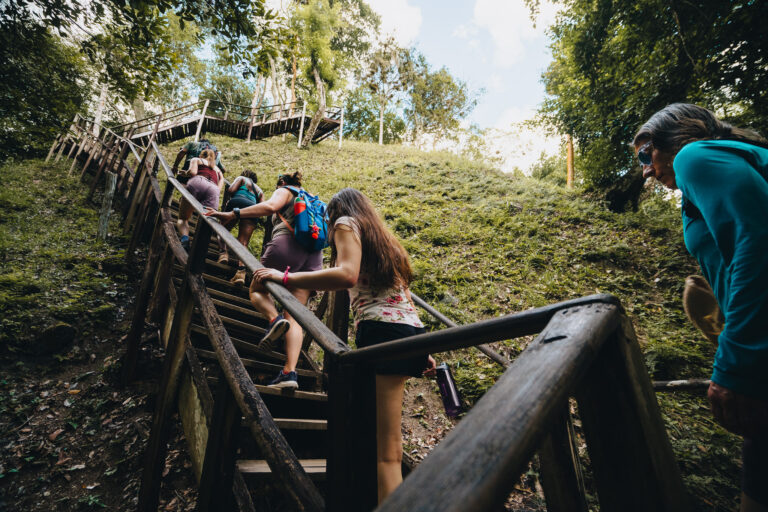
Moderate. Participants should be comfortable walking several miles on uneven terrain, including cobblestone streets, forest trails, and hillside farmland. The Volcán Pacaya hike is a moderate 1.5-hour ascent and is the most physically demanding activity on the itinerary. Students who are reasonably active and in good health should have no difficulty. There are no running or climbing requirements.

Somos uses WhatsApp for in-country group communication, and most program accommodations have reliable Wi-Fi. Students are typically able to reach home every evening, though connectivity may be limited at certain locations. Somos provides parents with a daily communication framework before departure so expectations are clear on both sides.

Yes. Vegetarian, vegan, gluten-free, and common allergy requirements are all routinely managed. Somos coordinates with every accommodation and community partner in advance. Please note dietary needs on your registration form so they can be confirmed with all sites before arrival.

Homesickness is common in the first few days of international travel and is treated as a normal part of the experience. Somos guides are trained to check in with students individually, and the daily reflection structure provides a supported space for students to name how they are feeling. Group leaders are always informed. For persistent or serious distress, Somos coordinates directly with parents and, if needed, with the school's counseling team.

A budget of 100 to 150 US dollars comfortably covers independent meals noted in the itinerary, souvenirs, and personal purchases. Tips for guides and drivers are optional and appreciated; Somos recommends budgeting an additional $20 to $30 if families wish to offer tips.

Guatemala packing list

Daily Wear & Travel Days

• Lightweight pants or travel trousers (2–3 pairs)
• Short-sleeve shirts (4–5)
• One light fleece or zip-up jacket (Atitlán evenings are cool)
• Comfortable walking shoes with ankle support
• Sandals for guesthouse and casual use
• Underwear and socks for full duration
• Rain jacket or packable poncho (March can bring afternoon showers)

Daily Wear & Travel Days

• Sturdy closed-toe shoes or trail runners (not sandals)
• Sun hat or cap with brim
• Sunscreen, SPF 30 or higher
• Insect repellent with DEET
• Lightweight daypack or dry bag
• Reusable water bottle (minimum one liter)
• Field journal and pens (provided by Somos, but bring your own if you prefer)

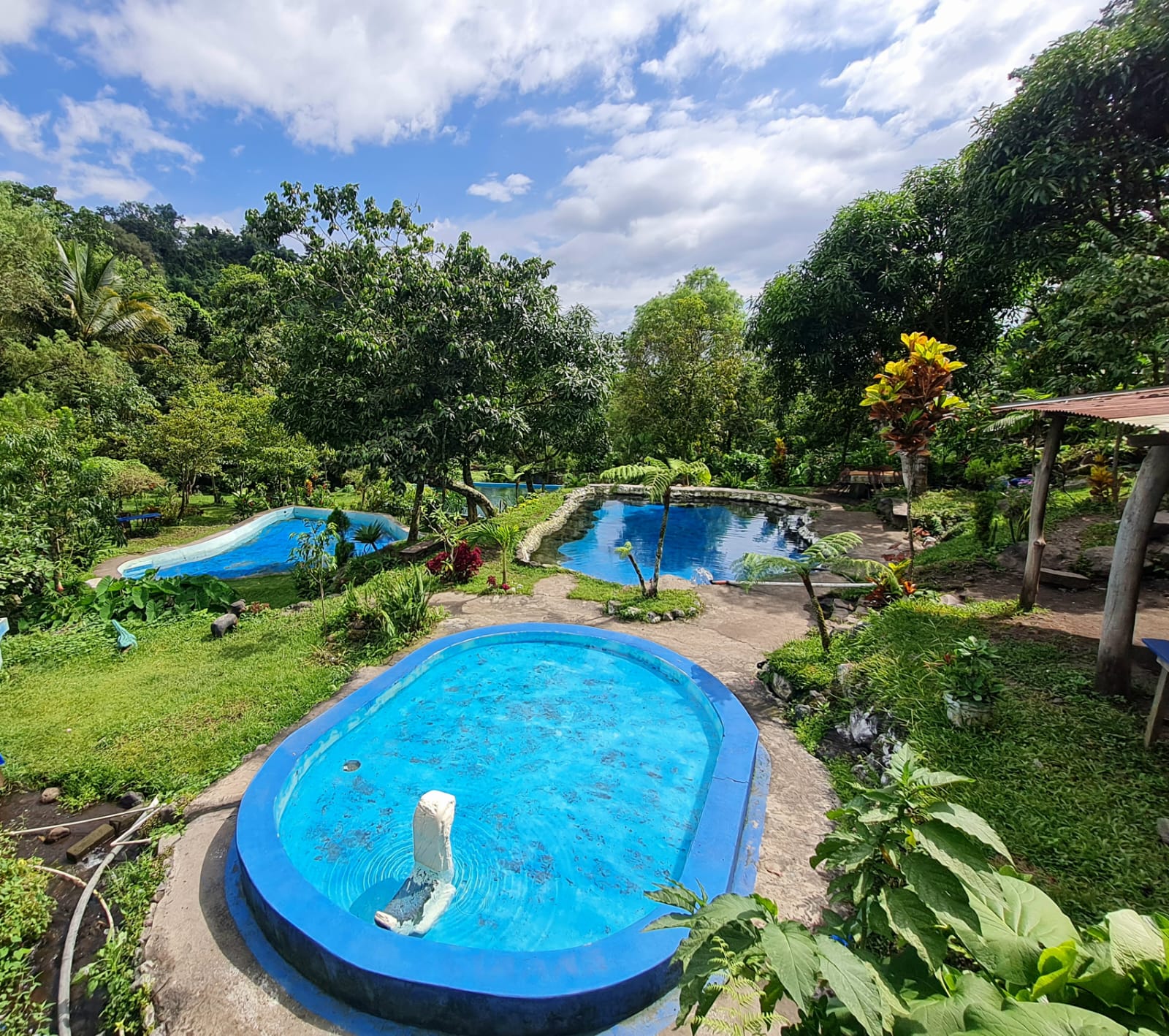
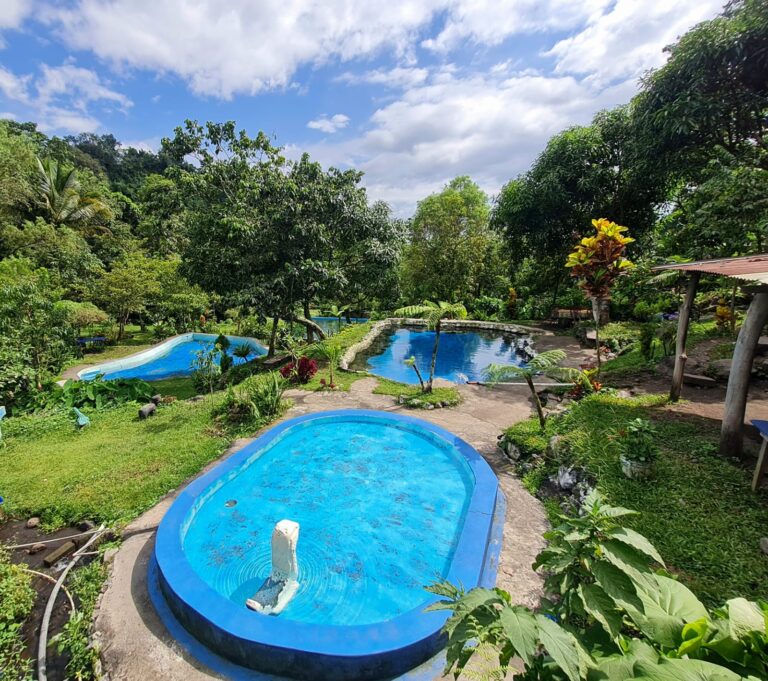
Community visits and cultural sites: Covered shoulders and knees required for church entries and some community visits One pair of nicer casual clothes for welcome and farewell dinners Bathing suit and small towel (Quixayá has a spring-fed swimming pool)

Optional: Binoculars (useful at Atitlán and reforestation sites) Camera or GoPro Small padlock for hostel lockers Headlamp or small flashlight

Documents and essentials: Passport (valid at least six months beyond return date) Printed copy of travel insurance Emergency contact card Any required prescription medications with original labeling Copy of vaccination records if applicable

testimonials

The way people live in Guatemala is much different than in Idaho. Immersing myself in their country taught me to appreciate the little things more.

Raiya Horseman Boise High School, 2025

Seeing the kids, walking the hike in the pouring rain, and playing mafia helped me see different perspectives. It showed me the importance of leaving a positive footprint.

Cora Nelson Boise High School, 2025

The service work was great. Learning more about Shad and WellKind’s efforts is very inspiring.

Cameron Luff Boise High School, 2025

I learned so much about myself and I feel like I grew so much. This trip was so much more than I expected.

Claire LaMastra Boise High School, 2025

I learned that I really enjoy learning about different cultures. It inspired me to continue learning Spanish and connecting across language barriers.

Alexandra Hawthorne Boise High School, 2025

I felt personal growth and development by practicing patience. I learned that I can try difficult things even when I’m anxious.

Natalie Duran Boise High School, 2025

Surfing, hiking, and trying new things helped me grow. I learned that discomfort leads to more personal growth than routine.

Sawyer Hayes Boise High School, 2025

Playing games and making friends helped me feel connected. I experienced new things and overcame fears.

Emma Slattery Boise High School, 2025

I learned that I move very quickly in life. This trip reminded me to slow down and enjoy the present.

Gabbie Dingman Boise High School, 2025

I learned so much about myself and I feel like I grew so much. This trip was so much more than I expected.

Conor McCall Boise High School, 2025

I’ve learned that no matter where people are from, we are all human. This trip helped me connect with others using Spanish and grow more confident.

Kate Jaques Boise High School, 2025

Ready to design this program?

Every Somos program begins with a conversation. Tell us about your school, your students, and what you want them to leave knowing.