LocationsMadre de Dios, Cusco, Sacred Valley, Machu Picchu
DatesSpring or summer, flexible scheduling
Program rate$3,950 per student, airfare included
The program
From the Rainforest Floor to the High Andes
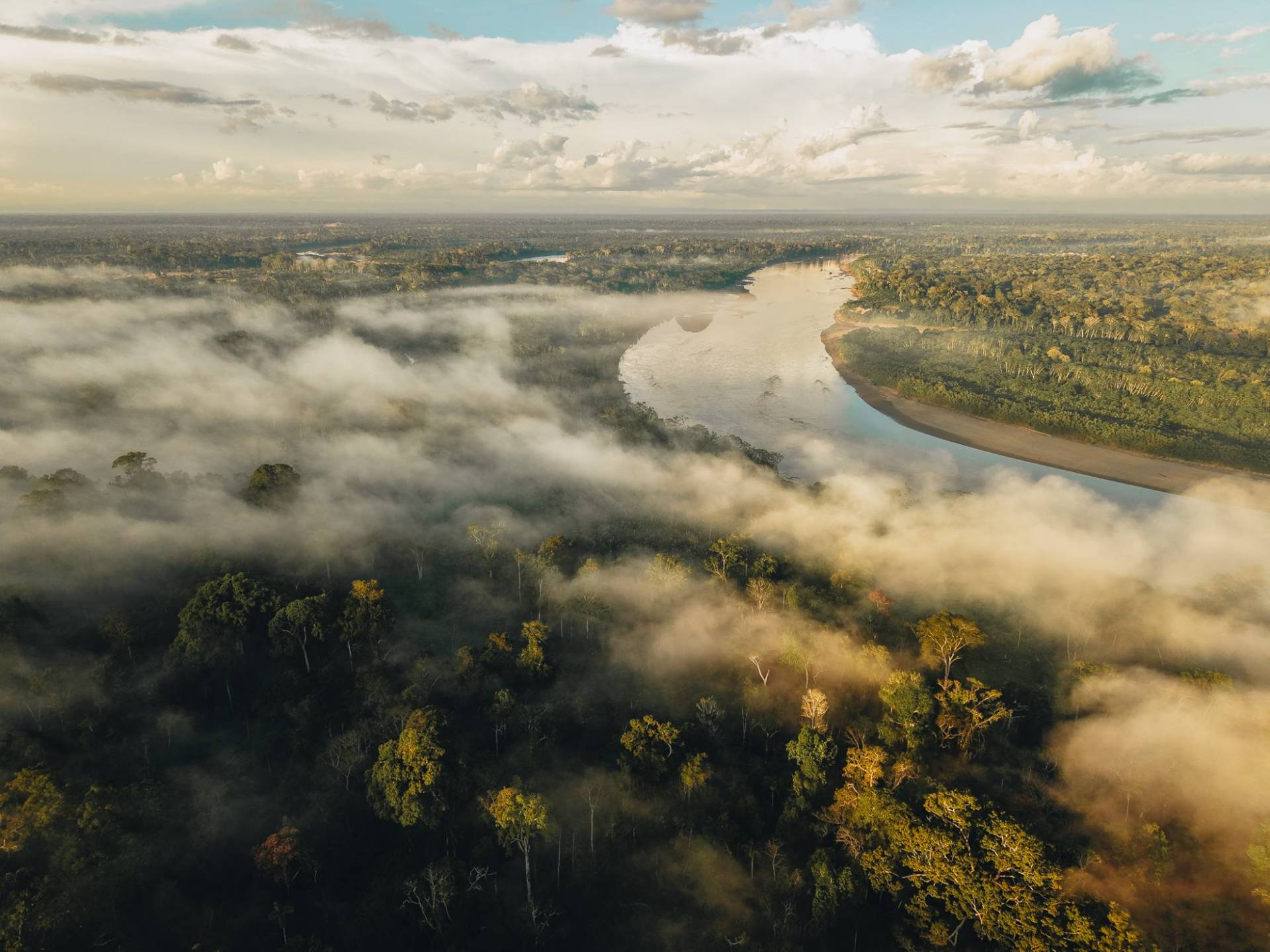
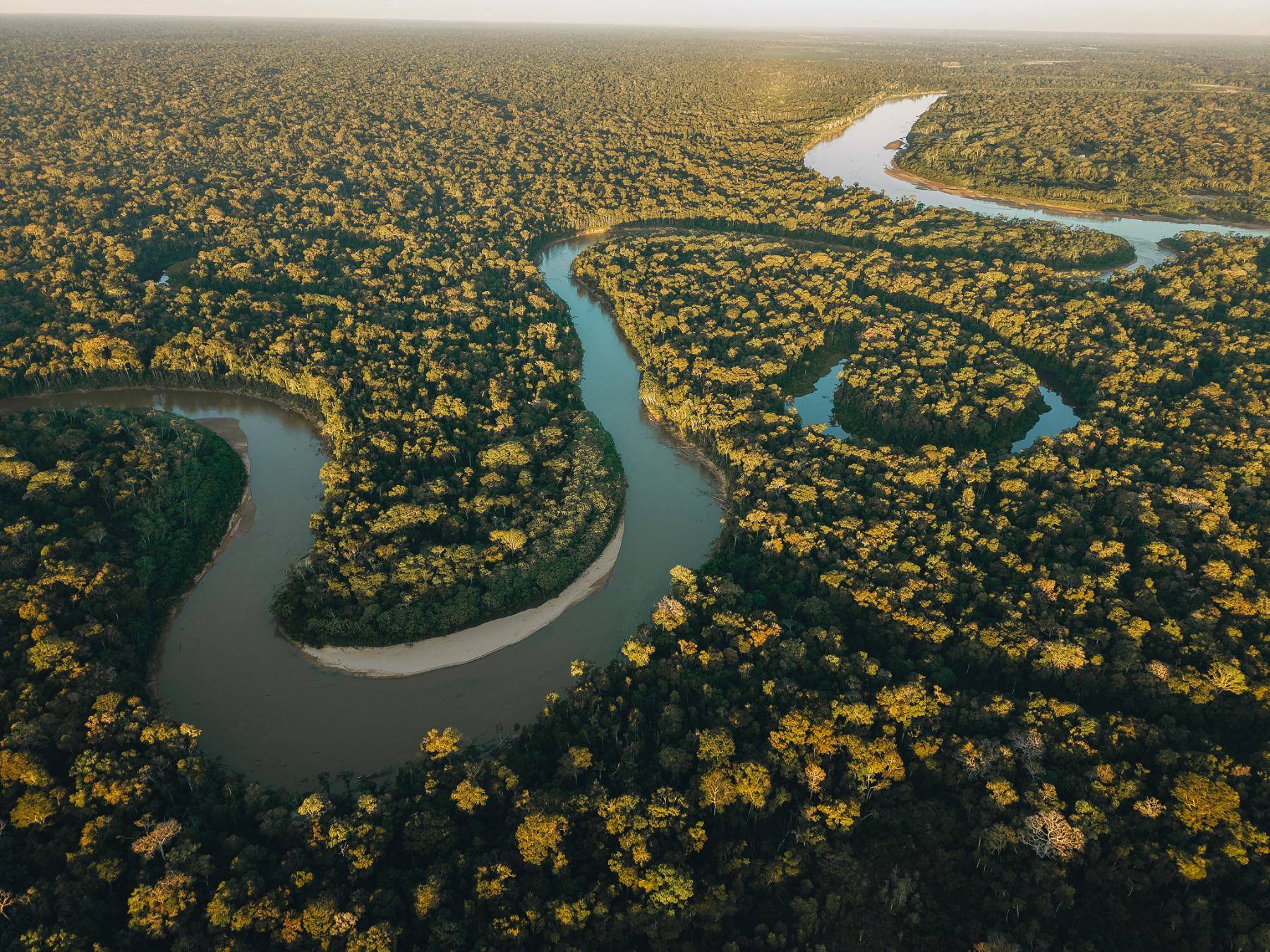
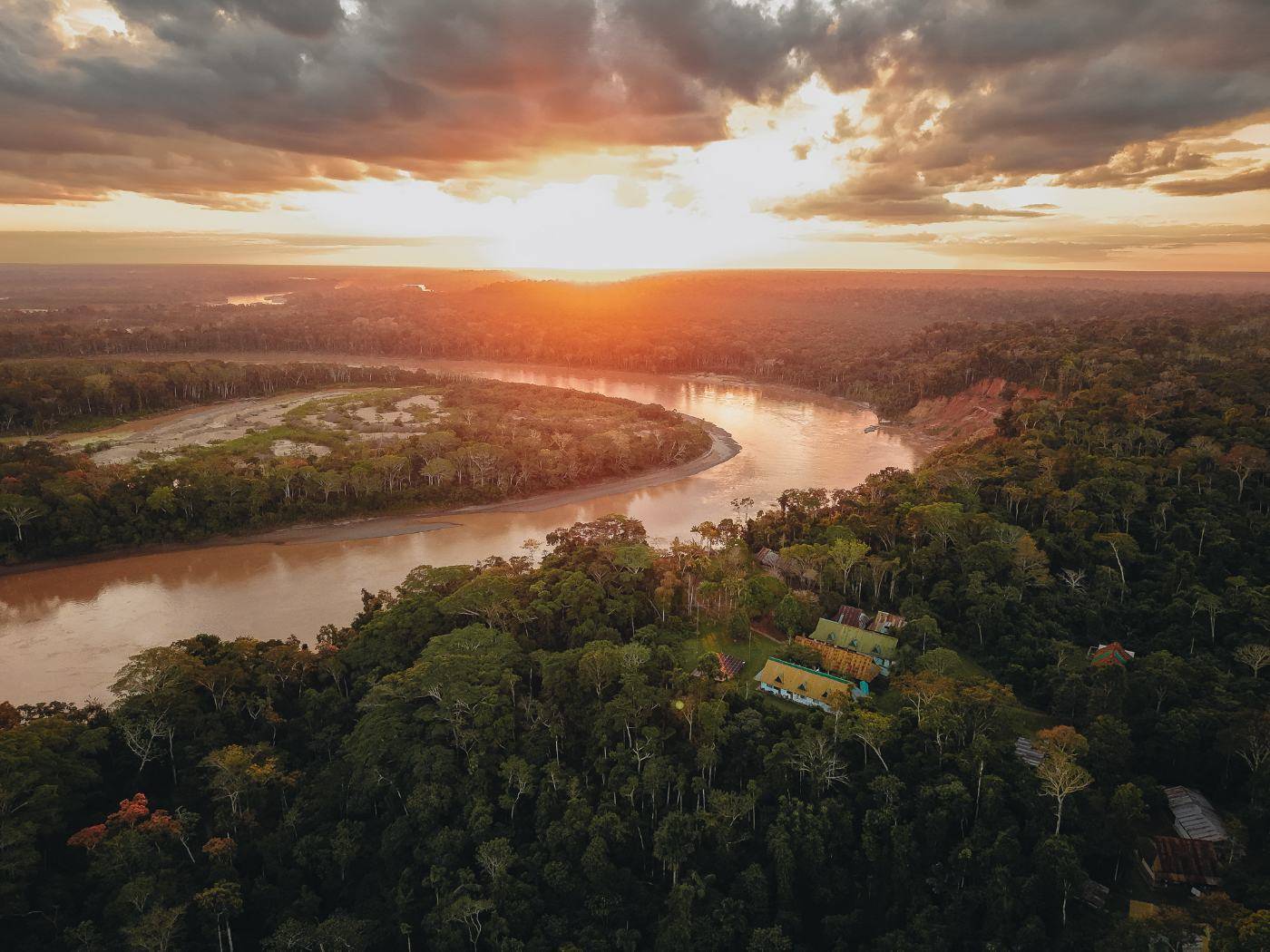
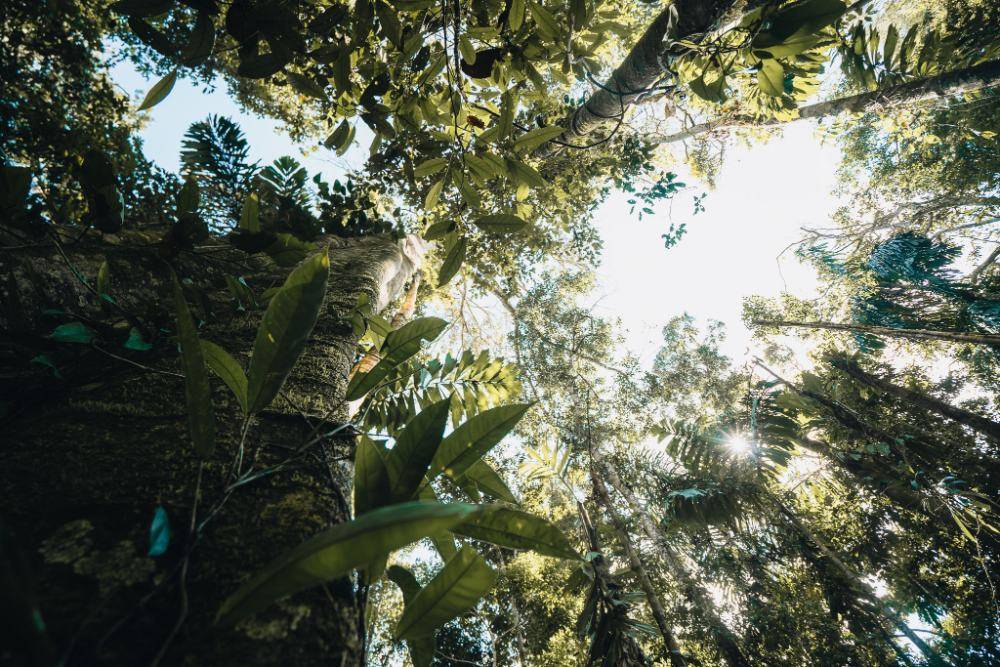
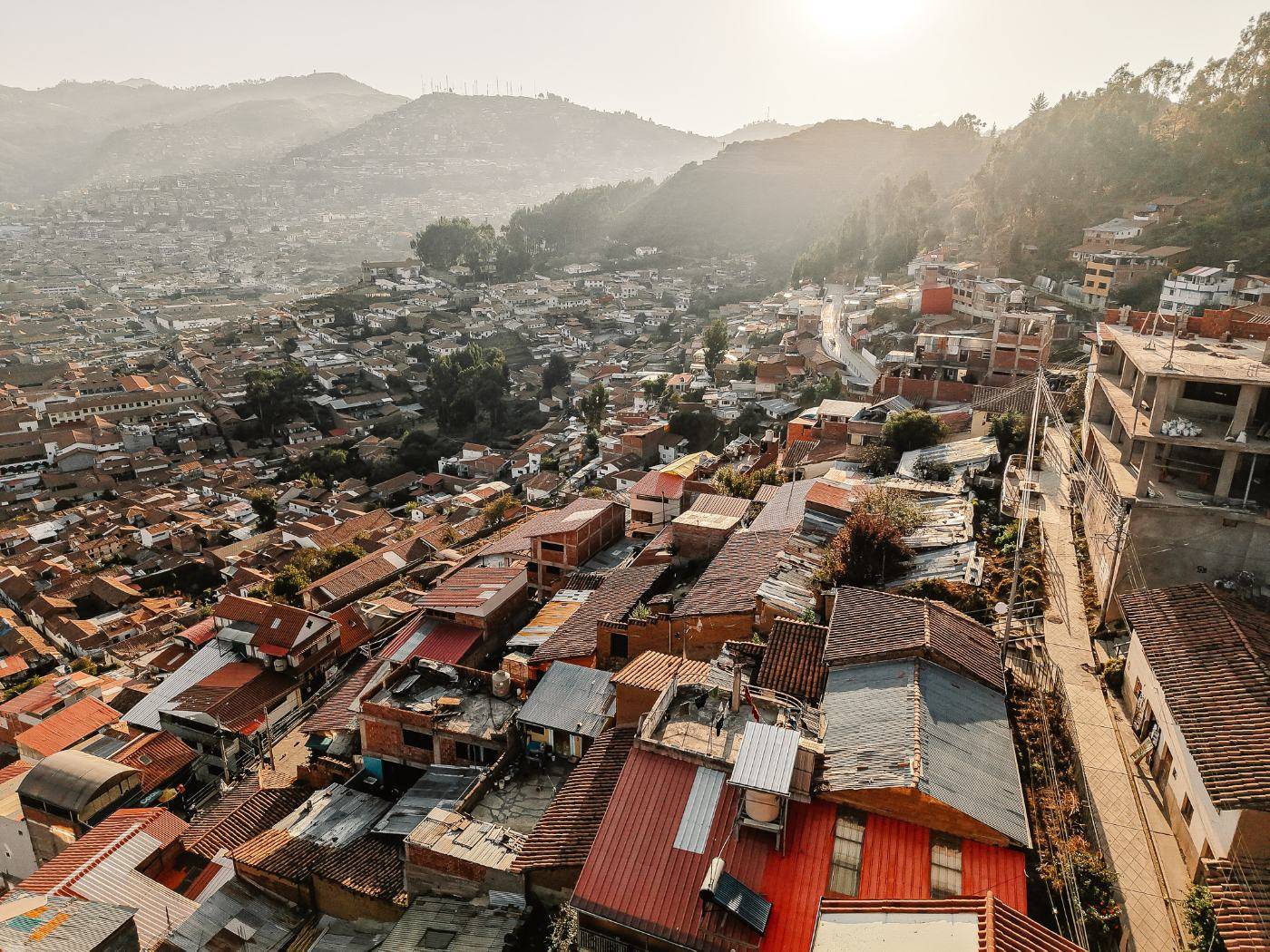
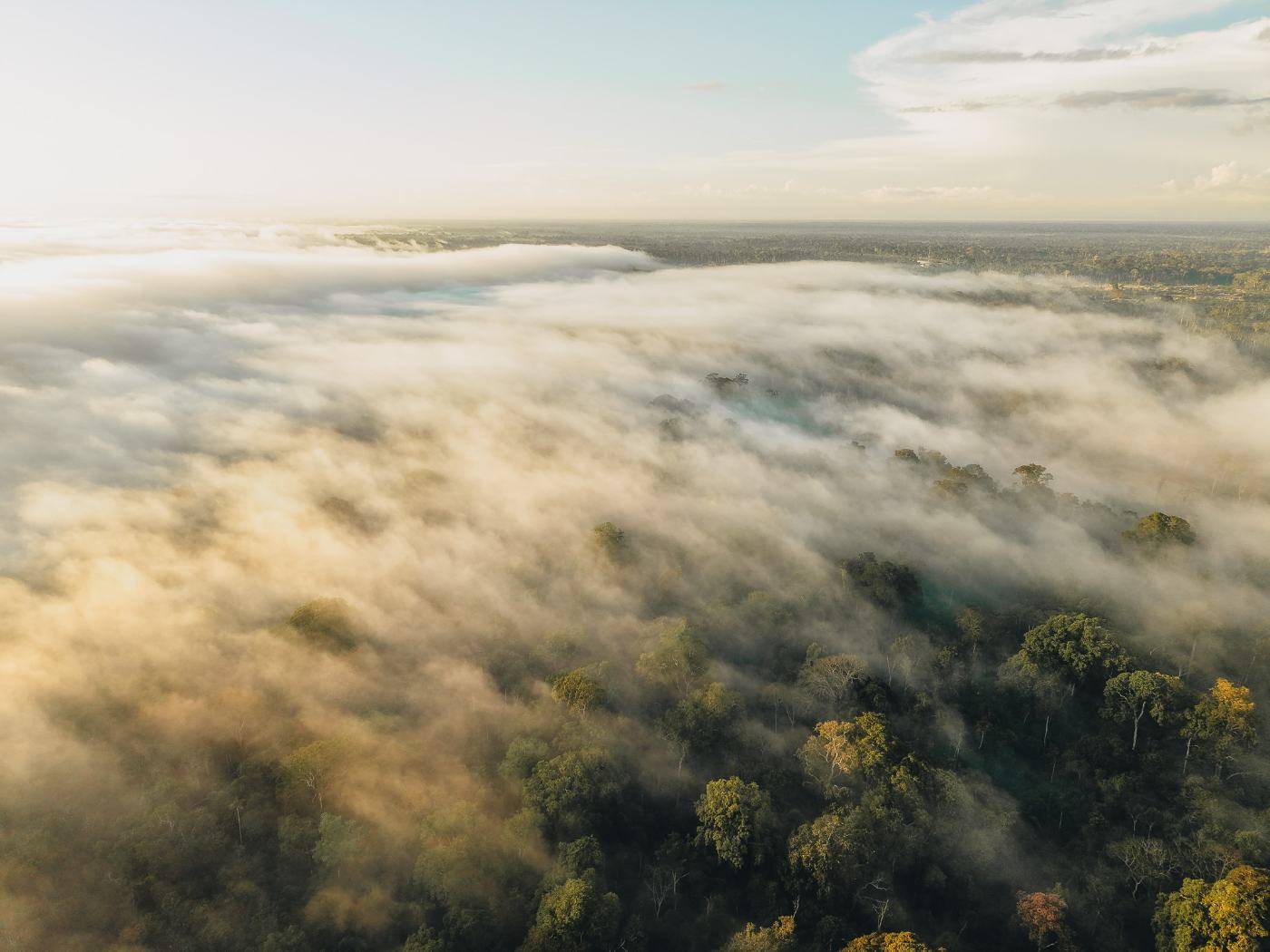
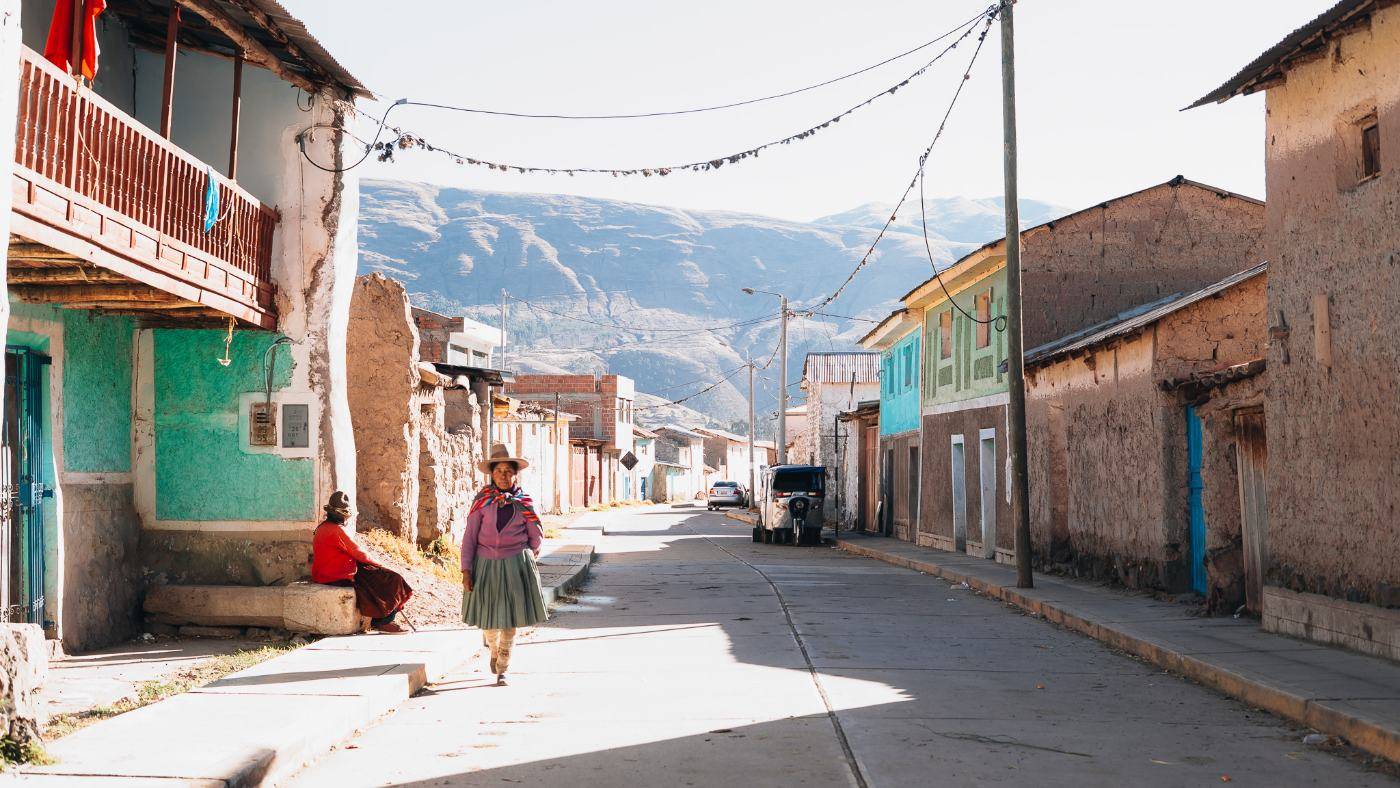
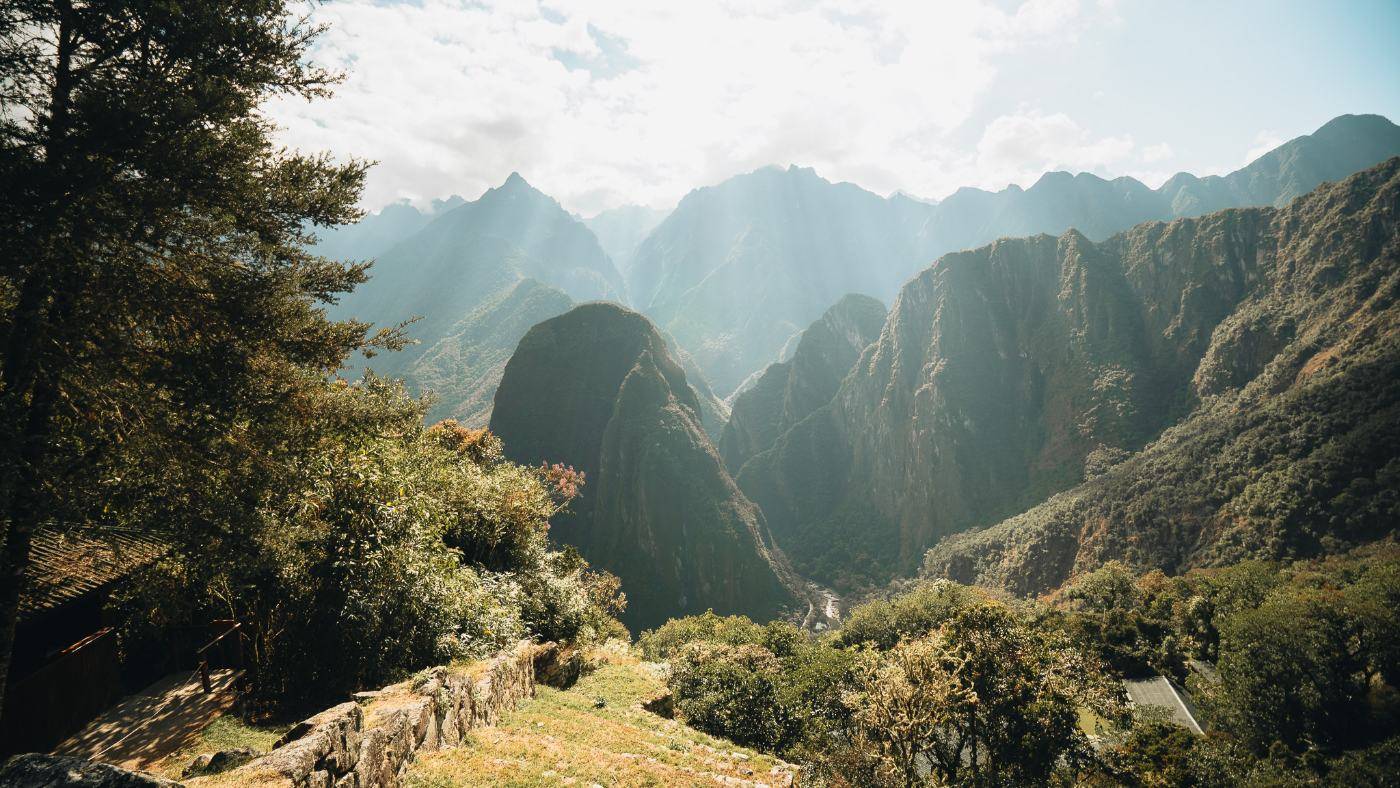
This 9-day expedition moves through two of Peru's most distinct living systems. In the Amazon, students work alongside conservation scientists at Los Amigos Conservation Hub in Madre de Dios. In the Andean highlands, colonial Cusco stands on Incan stone foundations and the Sacred Valley still runs on trade and agricultural systems centuries old.
Students spend four days embedded in active field research at Los Amigos, then fly to Cusco to see Incan engineering, colonial architecture, and living economies layered in the same landscape: salt harvesting at Maras, cooperative weaving, camelid herding. The program opens in the lowland rainforest and closes above 11,000 feet, so students experience the scale of Peru's geography firsthand.
The driving questions
What does it mean for a landscape to hold multiple living systems at once? What can we learn from the layers of ecology, history, and economy?
Students investigate one question from two vantage points: a rainforest research station and a highland economy. The trip itself is the curriculum.
Lenses of inquiry
01
The Forest as a Laboratory
Los Amigos · Madre de Dios
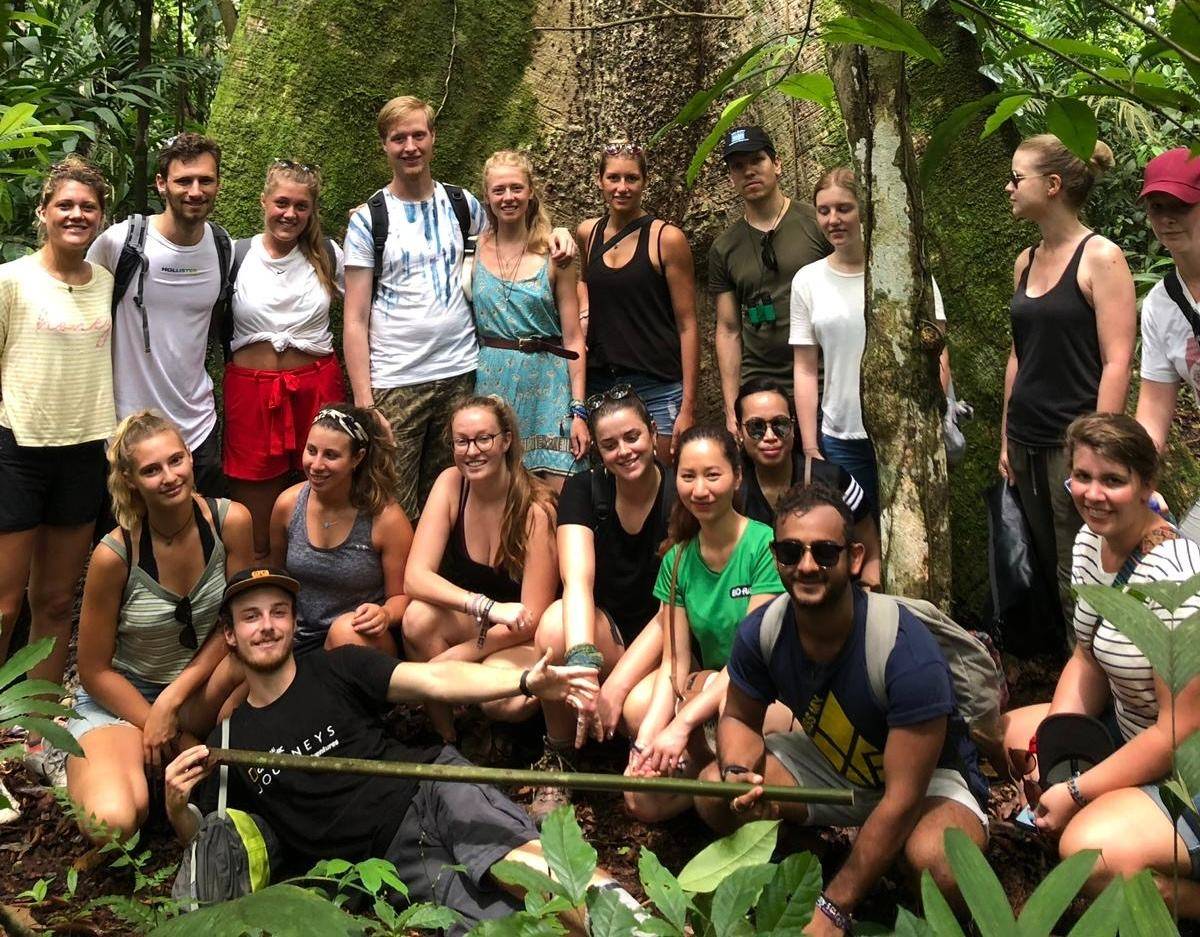
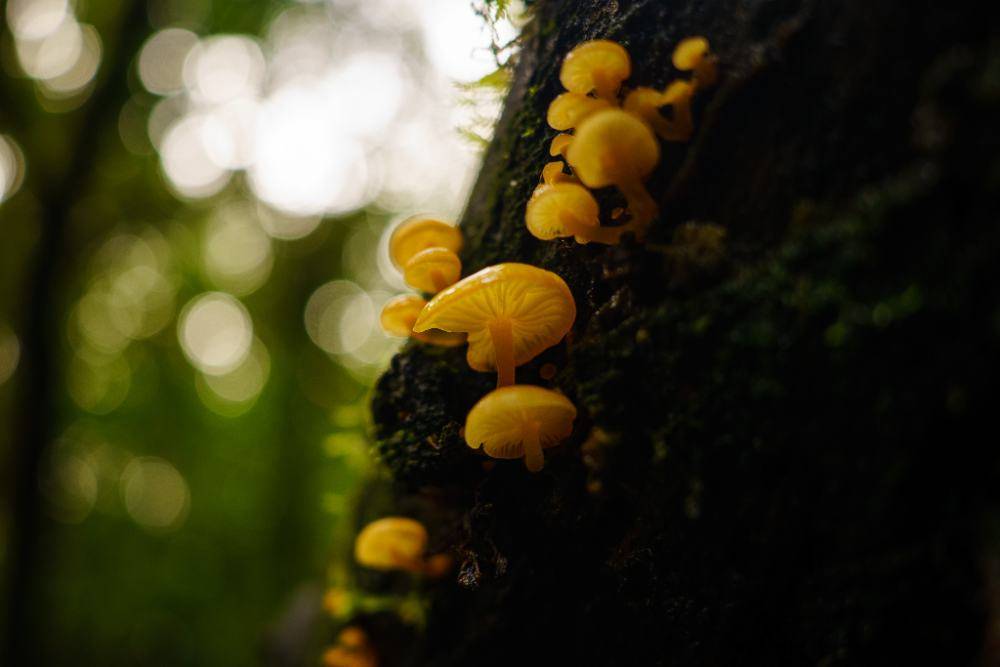
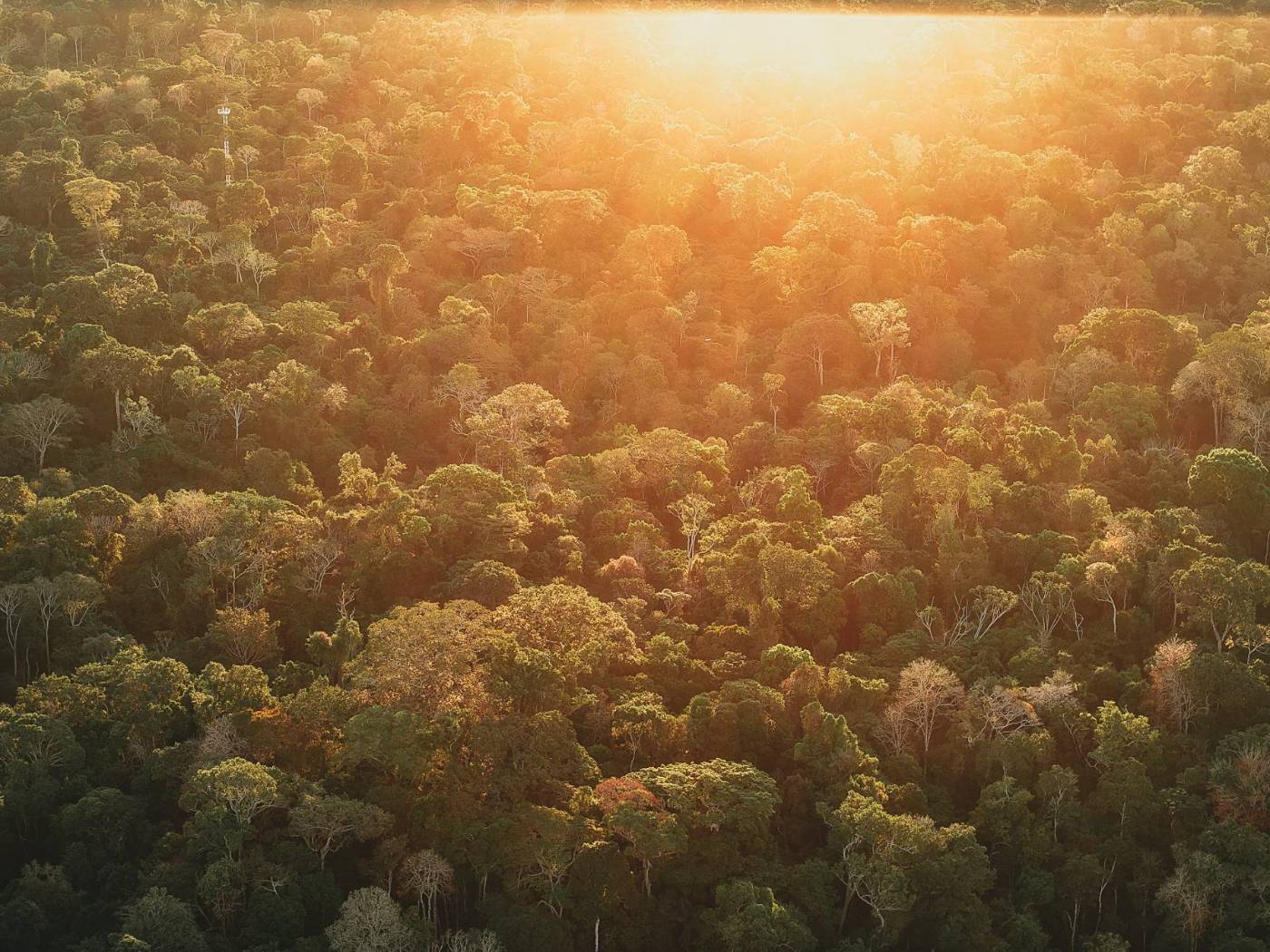
At a working research station the forest is the lab. Students join biodiversity surveys already in progress and contribute to data that shapes conservation policy across the Madre de Dios watershed.
02
History Written in Stone
Cusco · Ollantaytambo · Machu Picchu
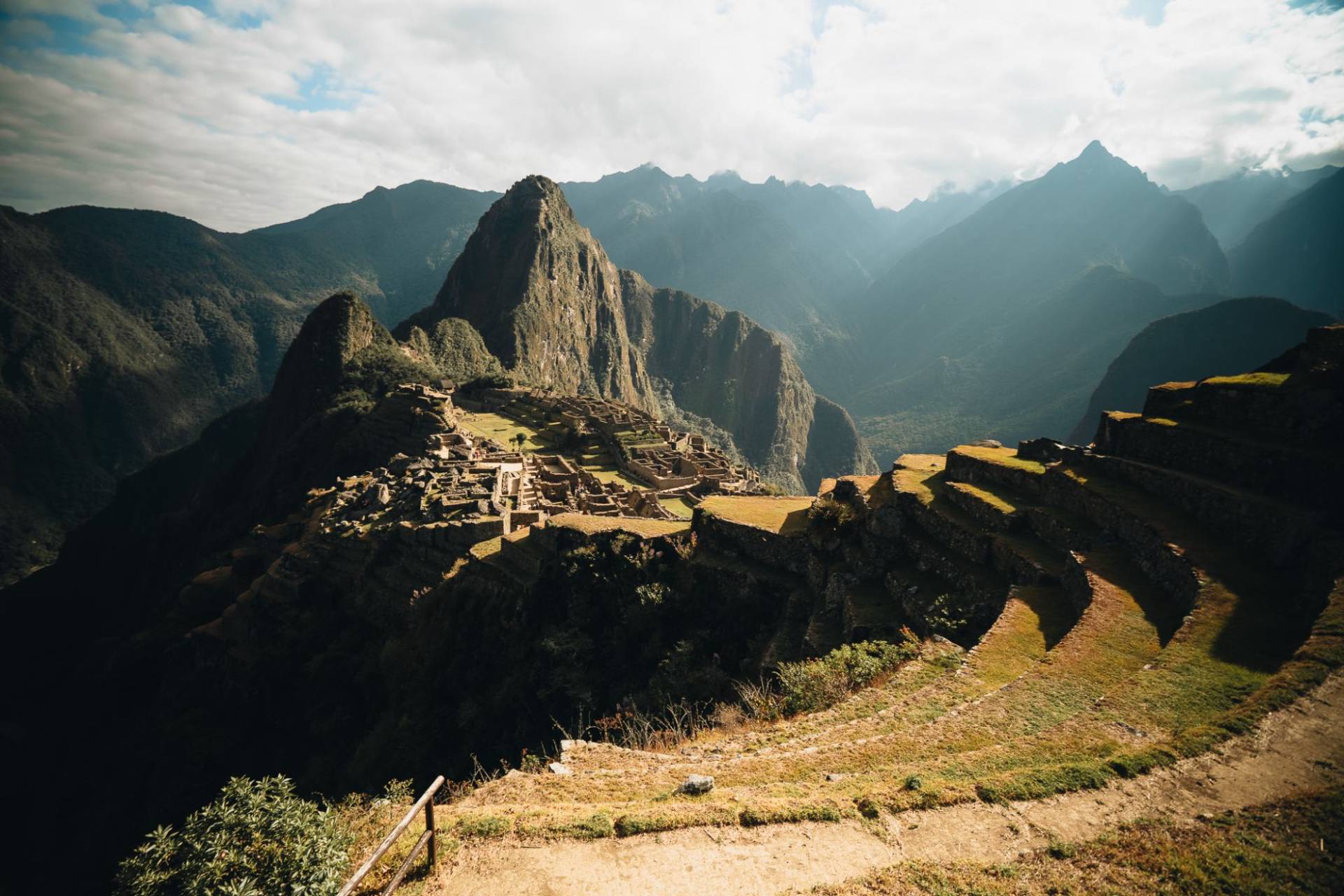
Colonial churches built directly on Incan foundations, terraces still holding soil at altitude, a citadel built into its mountain. Students read the highlands as a record of which systems were kept and which were built over.
03
Economies That Last
Maras · Patacancha · Sacred Valley
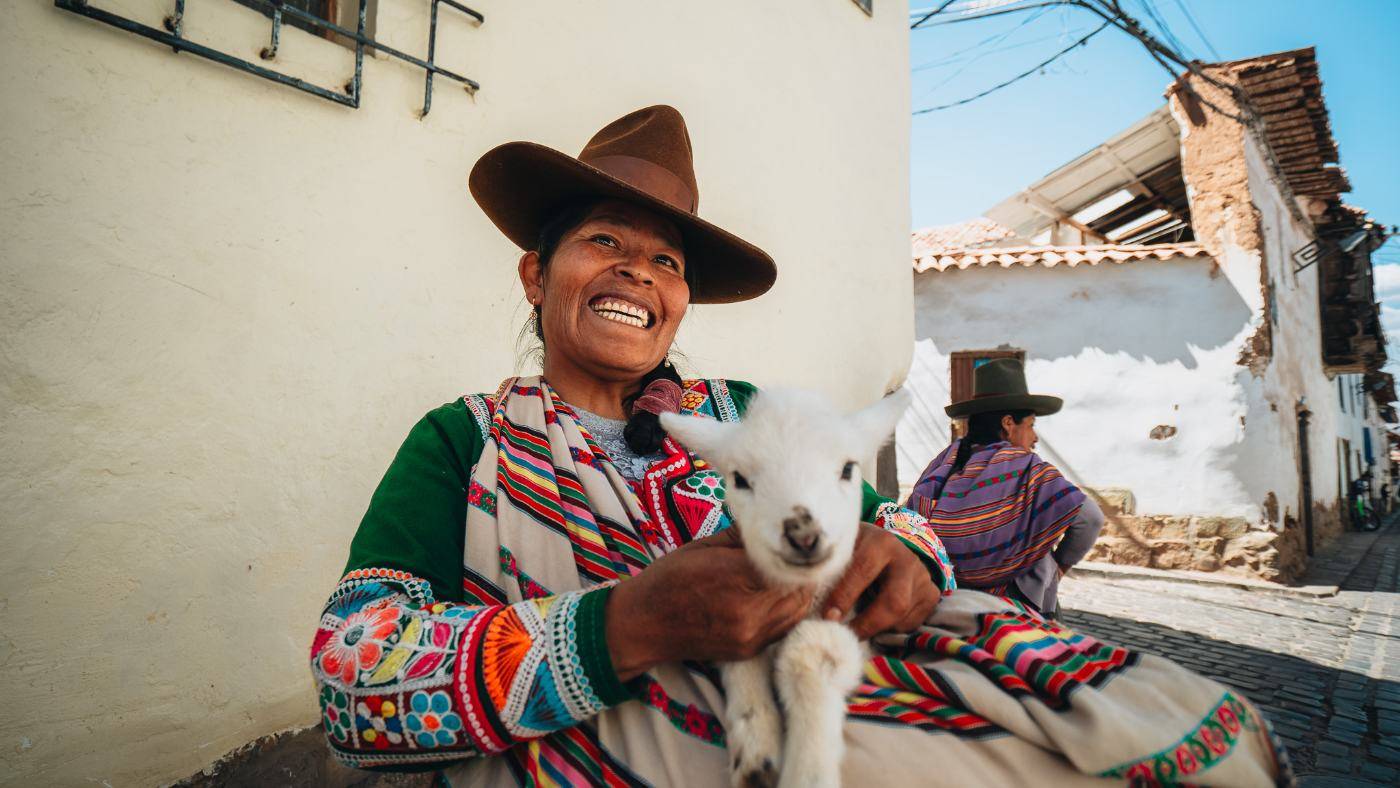
Salt pans worked communally for generations, a weaving cooperative that sets its own prices, camelid herds at the center of highland textiles. Students ask what keeps a system running for centuries, then compare it to the forest.
Program structure
Itinerary at a Glance
Day 1 · Puerto Maldonado
Arrival in Madre de Dios
Arrival, regional orientation, welcome dinner, and the driving question.
Days 2 to 4 · Los Amigos
Rainforest Field Research
Bus and river transfer to the station, then two full days on active surveys with conservation scientists.
Day 5 · In transit
Rainforest to Highland
Boat, bus, and flight from the Amazon basin to Cusco at 11,150 feet.
Day 6 · Cusco
Acclimatization Day
A slow walking tour of the historic center and Spanish practice at San Pedro Market.
Day 7 · Sacred Valley
Living Economies
Ollantaytambo, the Maras salt mines, the Patacancha weaving cooperative, and a camelid stop.
Day 8 · Machu Picchu
The Citadel as a System
Early entry with a licensed guide, then train and road back to Cusco for closing synthesis.
Every Somos program runs on protocols developed and refined across 10+ years of in-country operations. On this route that means specific protocols for river transport, remote field work, and a same-day climb from the Amazon basin to the high Andes.
24/7 In-Country Support
Round-the-clock emergency communication and in-country support, including satellite communication for the Amazon segment.
CPR and First-Aid Certified Guides
Bilingual guides certified in CPR and first aid, with comprehensive medical kits on every activity.
Licensed and Insured Transport
Road, river, rail, and domestic flight transfers with vetted, licensed, insured providers experienced with student groups.
Jungle and Altitude Protocols
Emergency action plans for every location, including the remote research station, with medical protocols specific to jungle environments and high altitude. Cusco sits at 11,150 feet.
10+
years of in-country operations
1,000+
travelers guided across the region
15+
indigenous community partnerships
About Somos Impact Travel
We Build the Bridge. Local Experts Do the Teaching.
Somos Impact Travel builds partnership-based learning expeditions across Central and South America, working directly with communities, research stations, and cultural partners rather than reselling access through other operators.
Peru is a destination Somos is actively building out, with direct partnerships in the Amazon basin, Cusco, and the Sacred Valley. Access to Los Amigos Conservation Hub and to the Patacancha weaving cooperative comes from direct relationships. Our partners are the teachers and the protagonists of every program.
Somos was started by educators and travel leaders with decades in the region. The places we work need advocates who listen, and partners who return.
Testimonials
From Somos Travelers in Peru
"Visiting Los Amigos, learning about their inspiring work, and having the opportunity to support their cause made it even more special."
Vy Bownes · AMSG Peru · Peru · 2026
"We spent our first days deep in the Amazon Rainforest at the Los Amigos Biological Station... From there, we transitioned to the stunning high-altitude culture of Cusco, explored the Sacred Valley, fed alpacas, visited ancient salt mines, and took the breathtaking train to Machu Picchu."
Sandra Magura · AMSG Peru · Peru · 2026
"He knew the history, culture, and little details that you probably wouldn't get on your own."
Joel Koon · AMSG Peru · Peru · 2026
DAY 1
Arrival in Puerto Maldonado
Puerto Maldonado is the gateway to the Peruvian Amazon, a river town at the edge of Madre de Dios. The first evening is intentionally light: students arrive, settle in, and get their first orientation to a region defined by its rivers.
Afternoon
Arrival at Puerto Maldonado airport
Private transfer to hotel in town
Orientation to the Madre de Dios region: geography, conservation significance, and what to expect at Los Amigos
Evening
Welcome dinner and program orientation
Lenses of inquiry introduction: driving question, learning goals, journaling structure
Safety briefing and group guidelines
Overnight: Hotel, Puerto Maldonado Logistics: Airport arrival and headcount, heat and hydration orientation, early departure the next morning
DAY 2
Transfer to Los Amigos Research Station
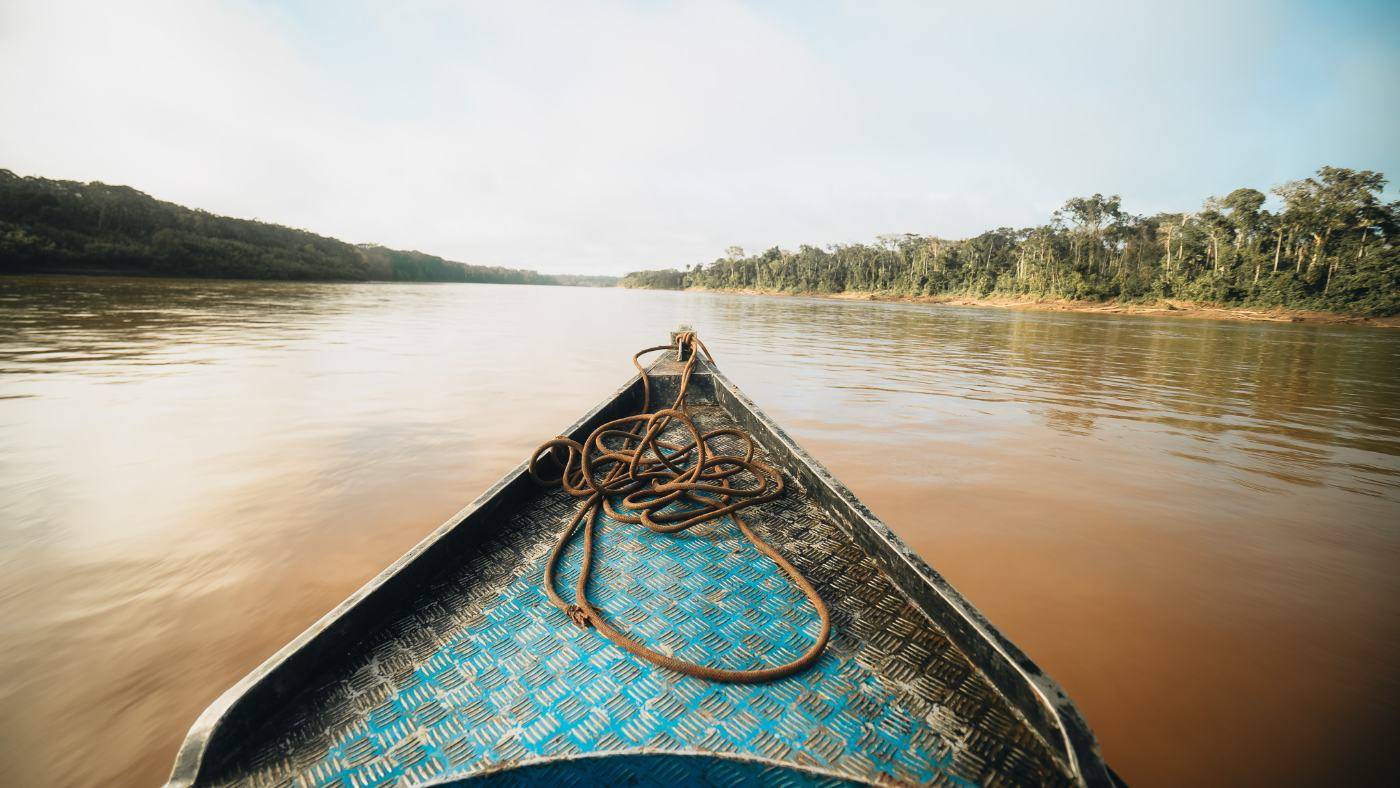
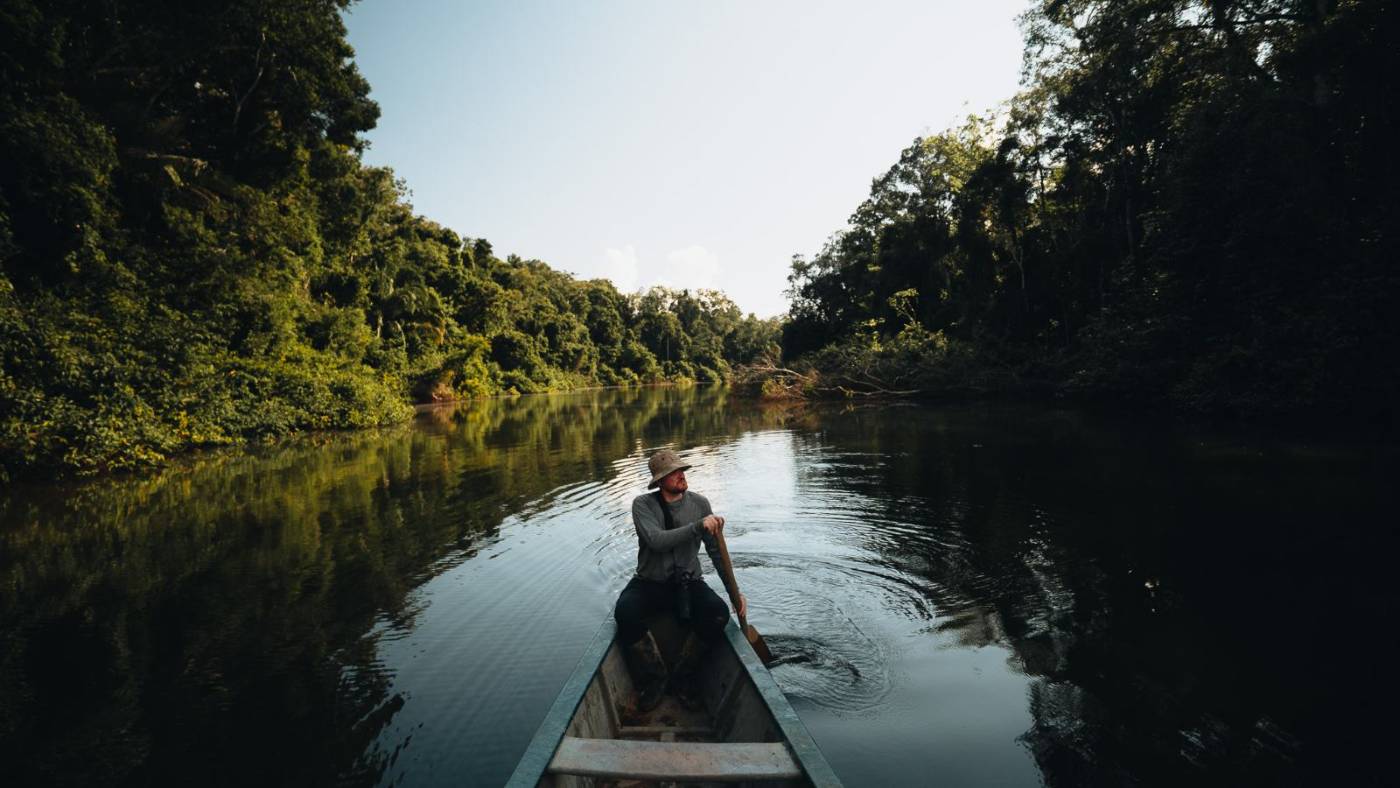
The route to Los Amigos runs by bus and then by river. Students leave the last paved road behind and travel the final stretch by boat down the Madre de Dios River, watching the forest close in around them. The station orientation on arrival sets the tone for the days ahead.
Early morning
Early breakfast, depart Puerto Maldonado by bus
Bus transfer to the river launch point
Midday
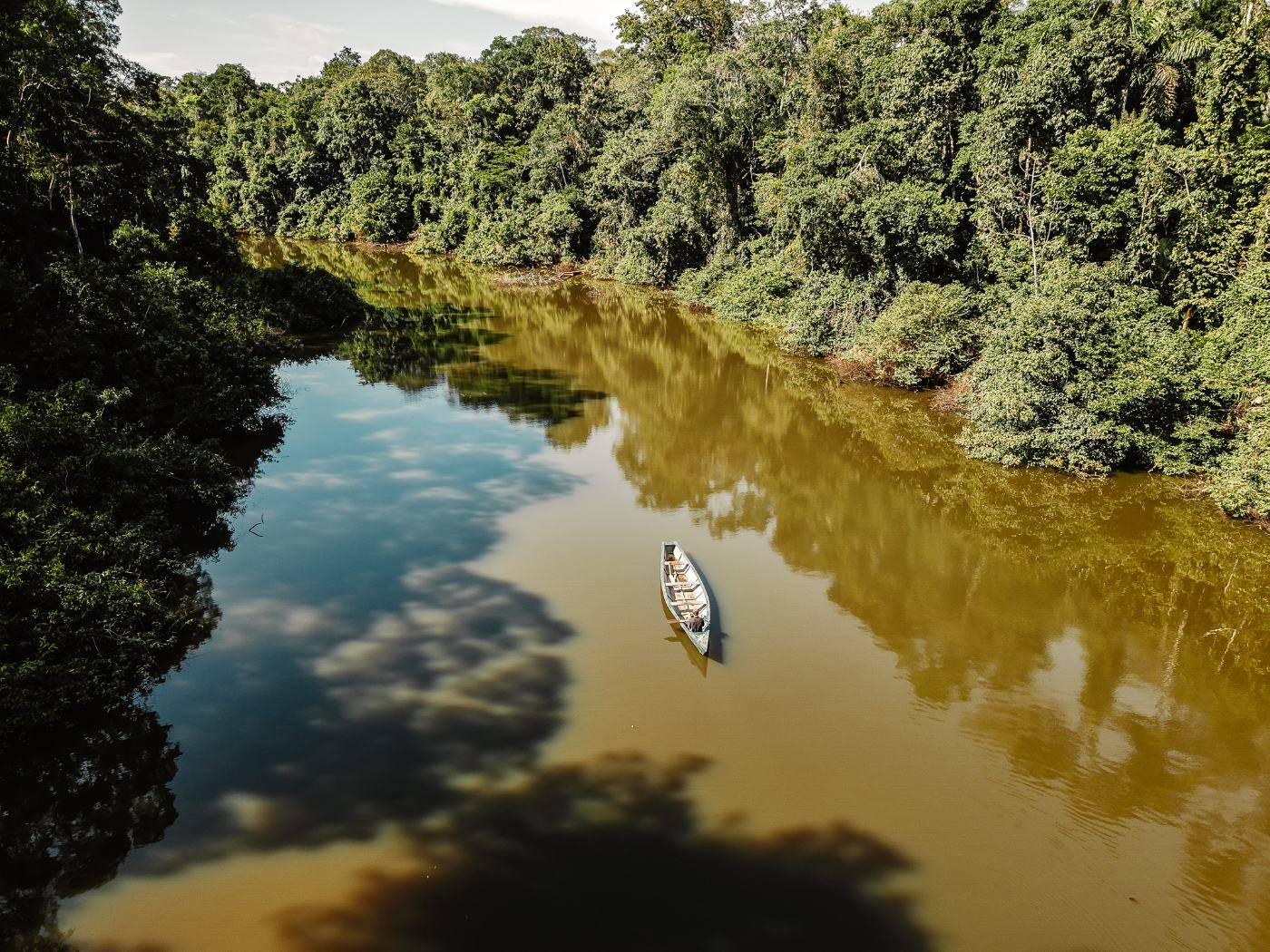
Motorized boat transfer down the Madre de Dios River to Los Amigos
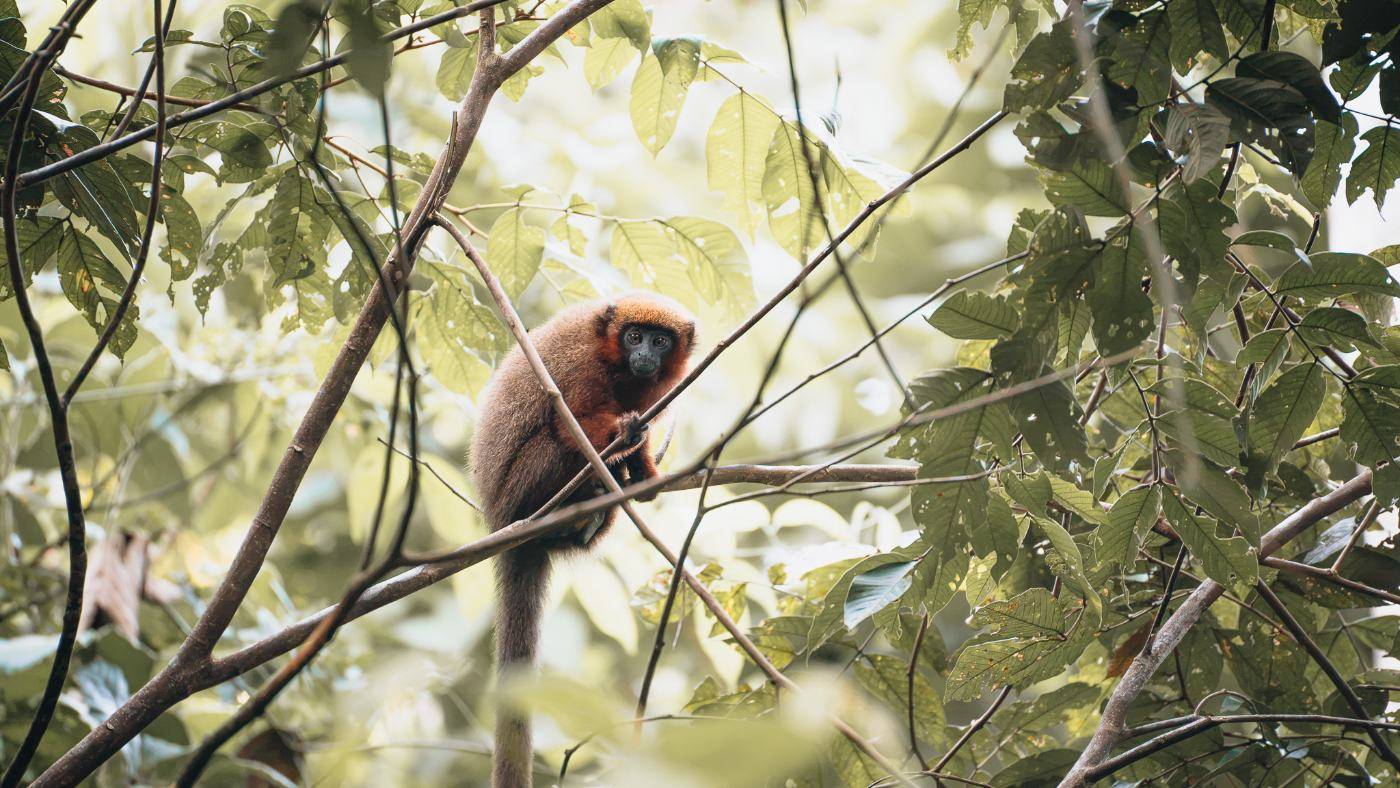
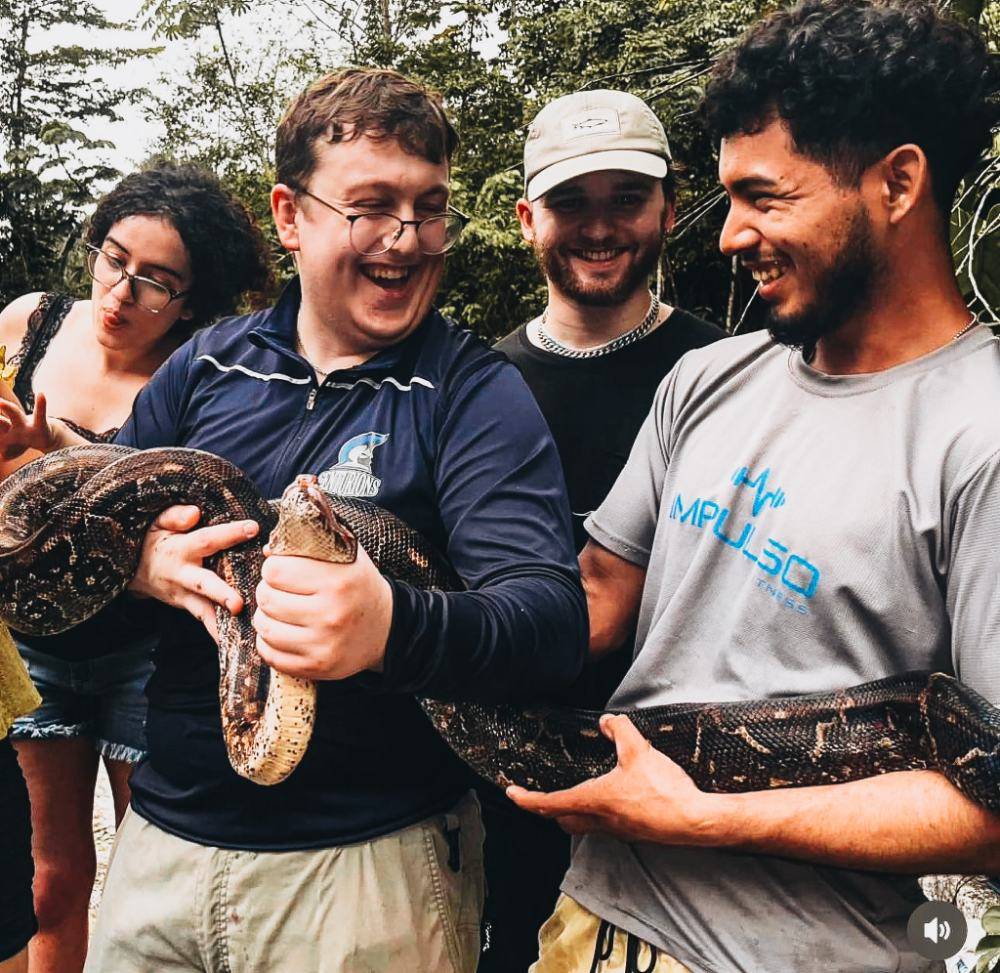
Wildlife spotting en route: birds, river otters, caiman, and riverside ecosystems
Afternoon
Arrival and check-in at Los Amigos Conservation Hub
Full station orientation: facility layout, research infrastructure, safety protocols
Presentation from station scientists on current research priorities and ongoing projects
Evening
Dinner at the station with conservation staff
EVENING REFLECTIONWhat do you expect to find in a place that exists for research rather than tourism?
Overnight: Research station lodging, Los Amigos Conservation Hub, Madre de Dios Logistics: Water transport safety, boat protocols, jungle environment orientation, remote location procedures
DAY 3
Amazonian Conservation: Field Surveys
The first full field day puts students directly on surveys in progress. The biologists running them have been collecting data at Los Amigos for years; students join that ongoing work. What they record today becomes part of the dataset researchers use.
Morning
Early breakfast, safety briefing, and field equipment orientation
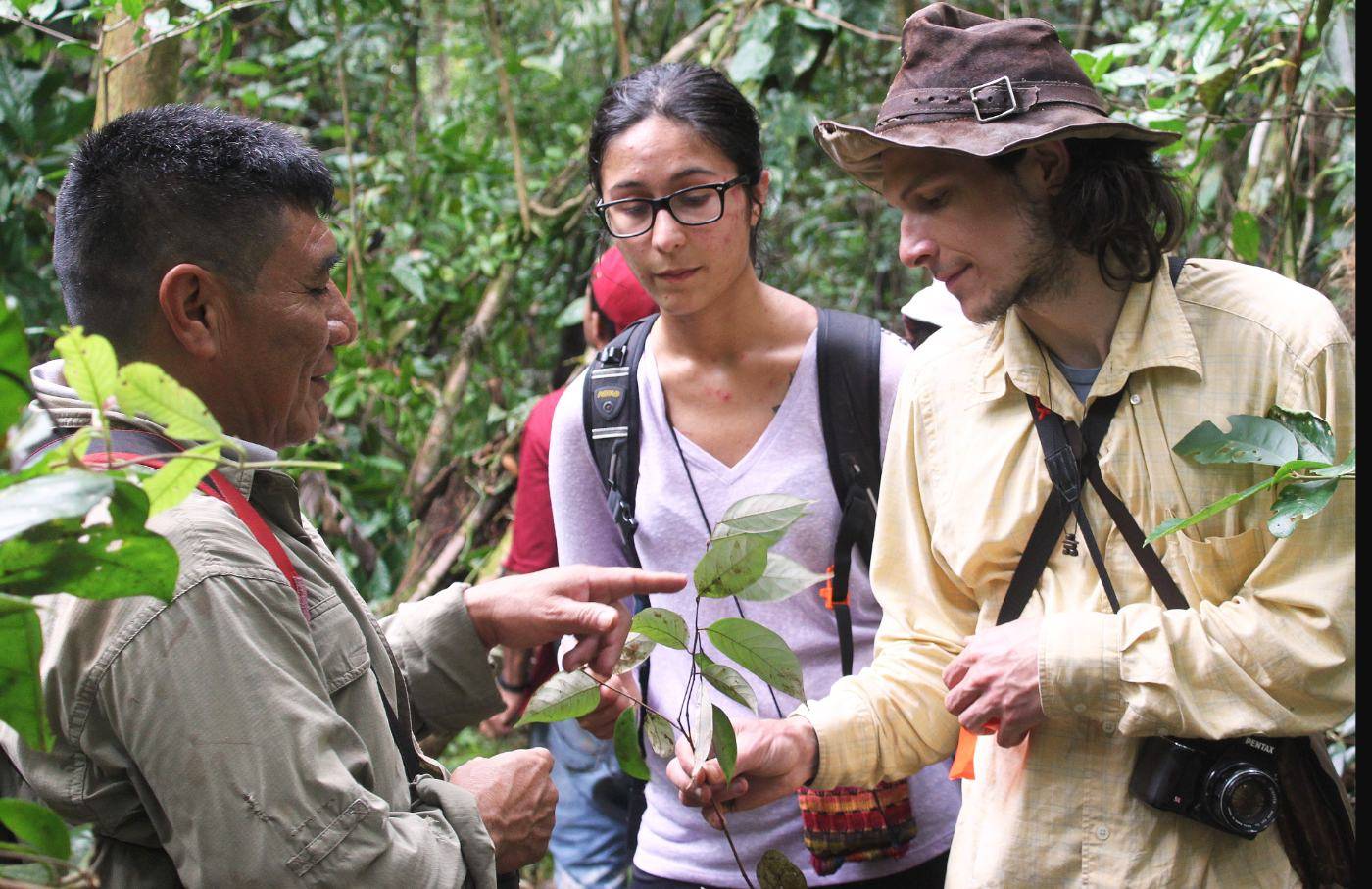
Join active survey teams with conservation biologists: camera trap checks, transect walks, or bird point counts, depending on current research priorities
Midday
Lunch in the field or at the station
Data entry and field note review with biologists: how raw observations become usable scientific data
Afternoon
Continued field surveys
Working conversations with researchers about current conservation priorities and what the data shows
Evening
Dinner at the station
EVENING REFLECTIONWhat surprised you about how this data is collected?
Overnight: Research station lodging, Los Amigos Conservation Hub Logistics: Field work safety, heat and hydration management, supervised small groups on active transects
DAY 4
Amazonian Conservation: Field Course
The second full field day moves students into more independent roles on the survey teams and adds a structured field course: how conservation biologists design a study, what counts as usable evidence, and how one station's data connects to policy decisions made far beyond Madre de Dios.
Morning
Field course session with station scientists: study design, sampling methods, and what makes field data credible
Continued participation in active surveys: species identification, habitat monitoring, biodiversity recording
Midday
Lunch at the station
Discussion: how does the data collected here inform conservation policy across the region?
Afternoon
Final field session, completing remaining survey tasks
Guided tour of additional research areas accessible from the station
Evening
Farewell dinner at the station with conservation staff and researchers
EVENING REFLECTIONWhat does this forest know that a lab or a classroom cannot teach?
Overnight: Research station lodging, Los Amigos Conservation Hub Logistics: Field work safety, small group supervision, departure preparation for the next day
DAY 5
Rainforest to Highland: Transfer to Cusco
Students retrace the river and road back to Puerto Maldonado, then fly from the lowland Amazon basin to Cusco at over 11,000 feet, one of the most dramatic elevation and ecosystem changes in a single day of travel anywhere in the world.
Morning
Breakfast at the station, checkout and luggage coordination
Motorized boat transfer back up the Madre de Dios River
Bus transfer to Puerto Maldonado
Midday
Domestic flight from Puerto Maldonado to Cusco (about 1 hour)
Afternoon
Arrival in Cusco, private transfer to hotel
Altitude acclimatization: rest and hydration; coca tea is available and culturally appropriate
Evening
Welcome dinner in Cusco
EVENING REFLECTIONYou have moved from rainforest to highland in a single day. What does your body notice that a map would not show you?
Overnight: Hotel, Cusco historic center Logistics: River, road, and flight transfer, lowland-to-altitude transition, fatigue management, group check-in procedures
DAY 6
Acclimatization Day in Cusco
Cusco sits at 11,150 feet, and a full acclimatization day is not optional after four days at low elevation. The pace is deliberately easy, with a short walking tour and a visit to San Pedro Market to start reading the city's Incan-on-colonial layering.
Morning
Light breakfast and rest
Short guided walking tour of the historic center: Plaza de Armas and the boundary between Incan and colonial construction visible in the stonework
Midday
San Pedro Market: a working local market where students practice Spanish in real transactions with vendors
Afternoon
Free time for rest and continued acclimatization
Evening
Dinner in Cusco
Pre-Sacred Valley briefing: what to observe at Maras, the weaving cooperative, and along the way
EVENING REFLECTIONHow does the altitude change how you feel, and what does it tell you about the people who built a civilization at this elevation?
Overnight: Hotel, Cusco historic center Logistics: Altitude management, light activity only, hydration, coca tea availability, market safety and group management
DAY 7
Sacred Valley to Aguas Calientes
The Sacred Valley was the agricultural heartland of the Incan empire, and pieces of that system still work today: terracing at Ollantaytambo, salt harvested communally at Maras, wool spun and dyed by a cooperative that sets its own prices. This is the longest travel day of the trip, moving through several living economies before arriving in Aguas Calientes.
Morning
Depart Cusco by private transport for the Sacred Valley
Ollantaytambo: fortress and temple complex, one of the best-preserved examples of Incan urban planning in Peru
Midday
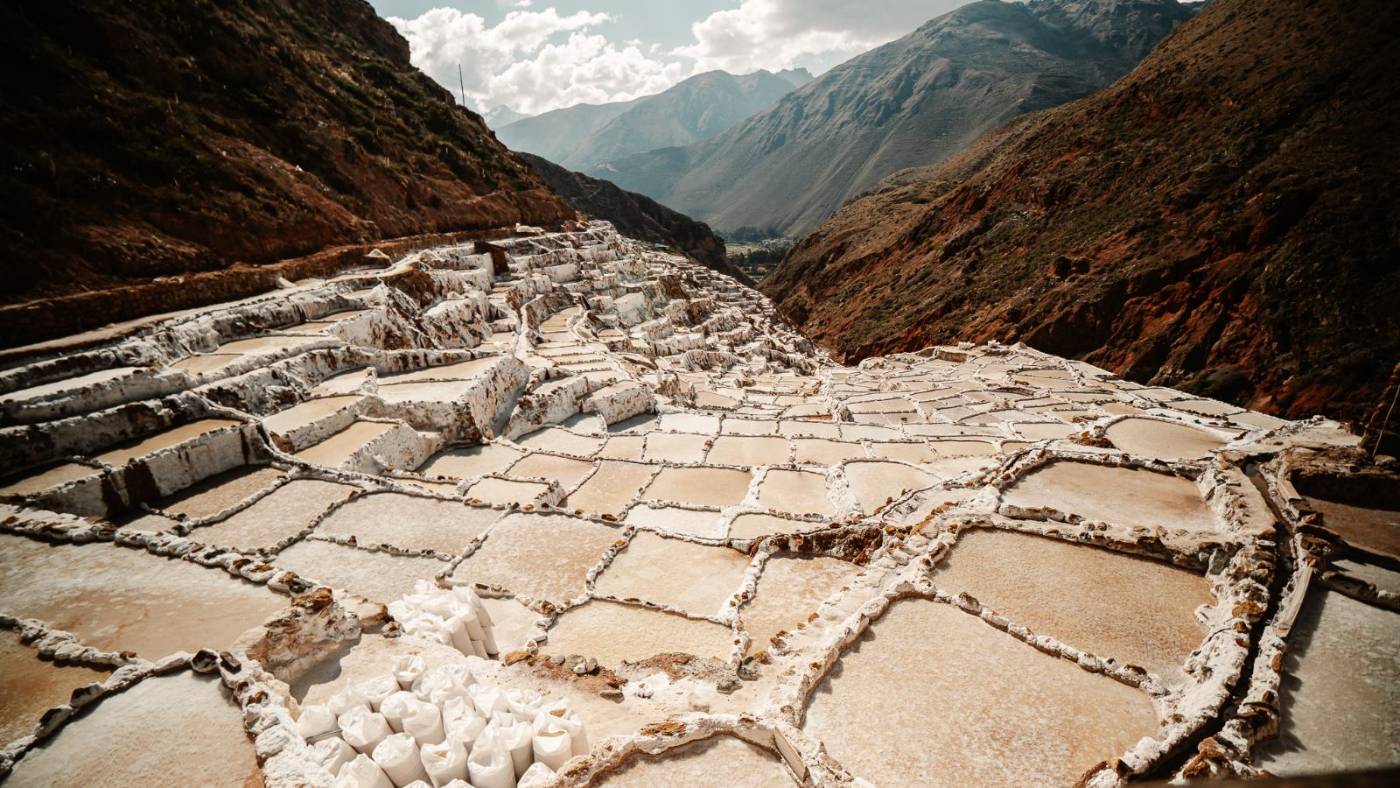
Maras salt mines: traditional harvesting sustained through communal management
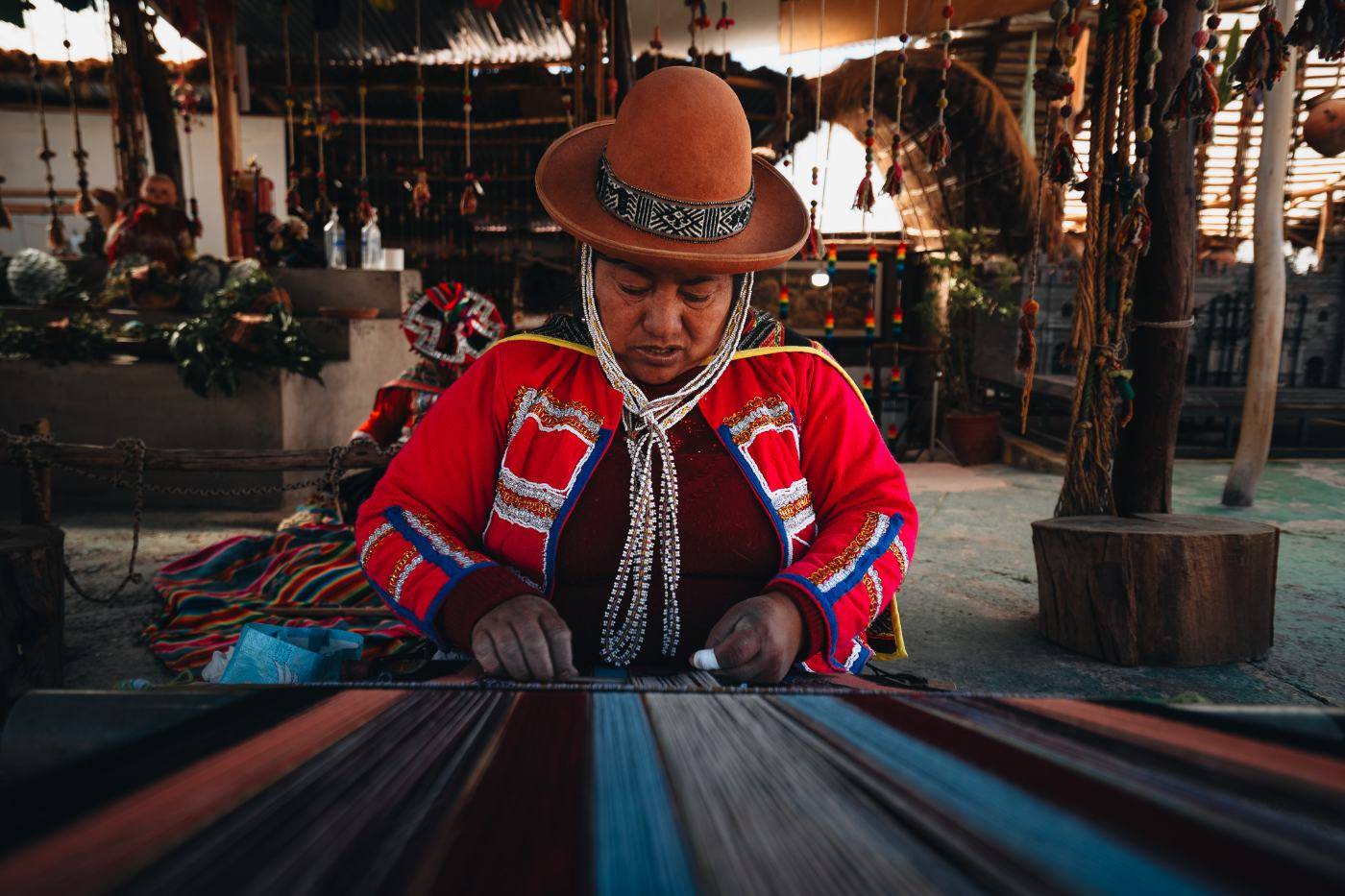
Patacancha weaving cooperative: the full process from raw wool to finished textile, including a natural dye demonstration
Direct purchases go to the artisans, with no intermediary
Afternoon
Camelid stop: llama, alpaca, and vicuña, and their distinct roles in highland textile and agricultural economies
Continue to Aguas Calientes
Evening
Arrive in Aguas Calientes late evening, dinner
EVENING REFLECTIONThe salt mines, the cooperative, and the camelid herds all run on systems older than the Spanish arrival. What has to be true for a system to last that long?
Overnight: Guesthouse, Aguas Calientes Logistics: Long travel day with multiple stops, altitude variation, evening arrival, road transport through the Sacred Valley
DAY 8
Machu Picchu and Return to Cusco
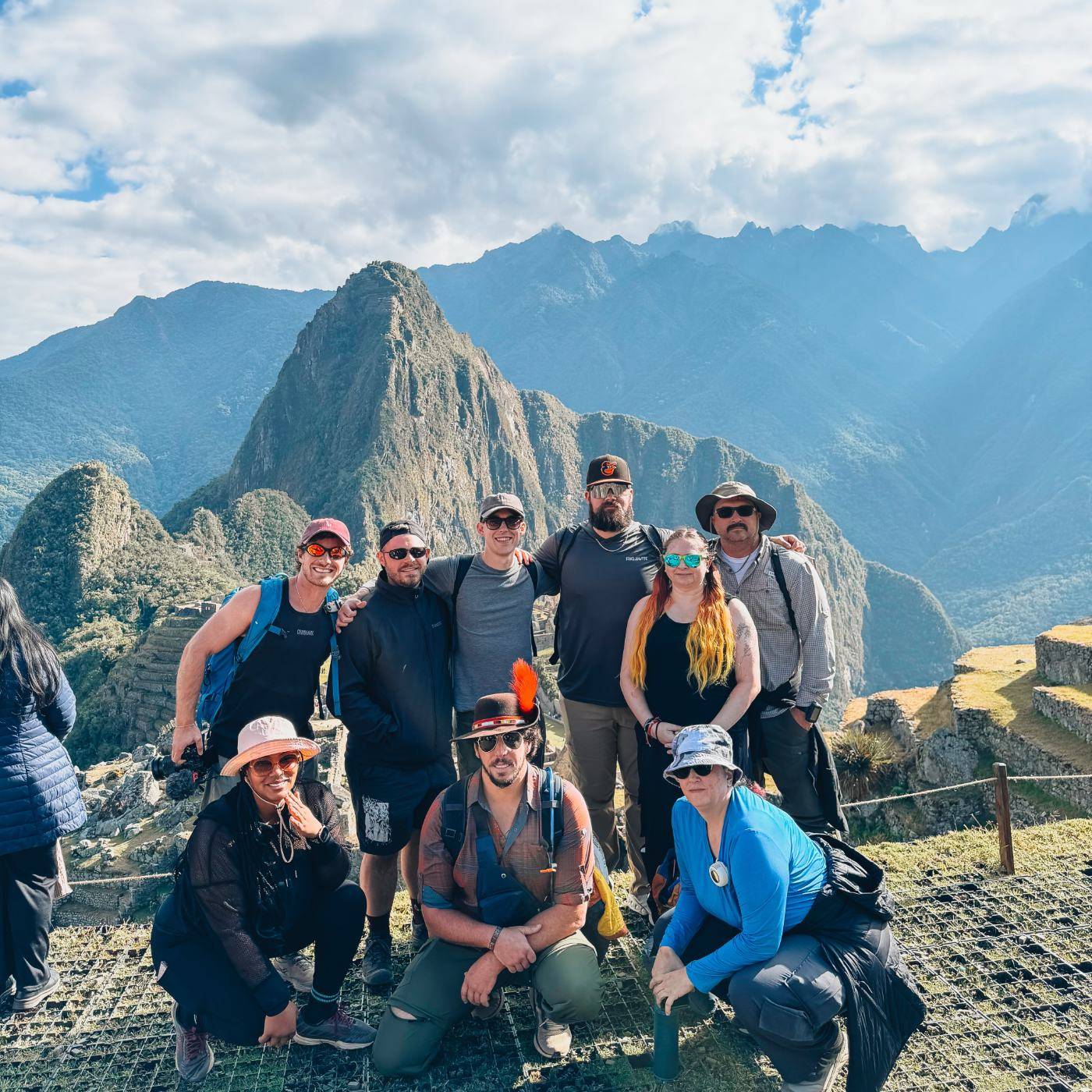
Machu Picchu closes the loop on the week: agricultural terracing, water engineering, and a citadel built into a landscape rather than against it. The early start beats the main crowds and gives the group time to read the site as a system before the long return to Cusco.
Early morning
Early bus from Aguas Calientes to Machu Picchu
Arrival at the site before the main crowds
At Machu Picchu
Full guided exploration with a licensed professional guide providing historical and archaeological context
Agricultural terraces and hydraulic systems: how Incan engineers managed drainage and cultivated crops at altitude
Discussion: how does Machu Picchu connect to the salt mines and the weaving cooperative seen the day before?
Afternoon
Bus back to Aguas Calientes, lunch
Train from Aguas Calientes to Ollantaytambo, then private transfer to Cusco
Evening
Closing dinner in Cusco
Closing synthesis session: the driving question revisited across the Amazon and Andes segments
EVENING REFLECTIONWhat connects a research station in the rainforest to a salt mine in the mountains? What does Peru teach us about systems that hold together over time?
Overnight: Hotel, Cusco historic center Logistics: Train and bus transfers, site terrain and altitude, large crowd management, long return travel day
DAY 9
Departure from Cusco
Students leave Peru having moved through two of its most distinct living systems in nine days: a working rainforest research station and a highland economy still running on Incan engineering and cooperative enterprise. They carry home a framework for reading layered systems, wherever they find them next.
Morning
Breakfast at the hotel, checkout and luggage coordination
Private transfer to Alejandro Velasco Astete International Airport, Cusco
Departure
Logistics: Hotel departure, airport transfer, group document check, departure coordination
Impact partners
The Scientists, Weavers, and Landscapes behind this Program
These relationships come from direct partnership with a rainforest research station in Madre de Dios and a Quechua weaving cooperative in the Sacred Valley. Station access, entrance fees, and guided visits are built into the program cost.
Main partner · Days 2 to 5
Los Amigos Conservation Hub
Rainforest research station, Madre de Dios
A rainforest research station supporting biodiversity monitoring, conservation technology, and environmental education in one of the most biodiverse regions on Earth. The station runs as a working field science facility: trail maintenance, carpentry, and structural upgrades directly increase its capacity to host researchers and students.
Research conducted at Los Amigos informs regional conservation strategy and forest preservation policy across the Madre de Dios watershed.
Camera trap data collection and transect surveys
Bird point counts, flora identification, and habitat monitoring
A field course on study design and credible evidence with station scientists
Three nights in station lodging alongside researchers
Student outcome: Students understand how a remote research station collects field data, and how that data reaches conservation policy.
Lens of inquiry question: What does this forest know that a lab or a classroom cannot teach?
Cultural partner · Day 7
Patacancha Weaving Cooperative
Quechua women weavers, Patacancha Valley above Ollantaytambo
Run by Quechua women who control the full production process: raw wool, natural dye from cochineal and local plants, hand spinning, and backstrap-loom weaving. The cooperative sets its own prices for anything sold directly to visiting groups, with no distributor or shop taking a cut.
Members lead the demonstration themselves, from raw wool to finished textile. Purchases made on-site go directly to the weavers who made them.
Each production stage demonstrated by cooperative members
Natural dye demonstration with cochineal and local plants
Direct purchasing with no intermediary
Student outcome: Students see a full production chain from fiber to finished textile, and how setting its own prices keeps value with the people who do the work.
Lens of inquiry question: What has to be true for a system to last?
Communal resource · Day 7
Maras Salt Mines
Thousands of terraced salt pans fed by a single mineral spring, harvested by hand and managed communally by families from the surrounding communities.
Student outcome: Students understand how a shared resource is divided, maintained, and passed down without private ownership.
Lens of inquiry question: Who decides how a shared resource is used, and how has that held for generations?
Living city · Day 6
Cusco and San Pedro Market
A city where colonial churches sit on Incan walls, and a working market where students handle real transactions in Spanish.
Student outcome: Students read the physical evidence of colonization in the city's stonework and practice Spanish with vendors.
Lens of inquiry question: What does a city keep from the systems it replaced?
UNESCO World Heritage site · Day 8
Machu Picchu
An Incan citadel built into its mountain, explored with a licensed professional guide before the main crowds arrive.
Student outcome: Students read the terraces and drainage as engineering and ecology, and connect them to Maras and the cooperative.
Lens of inquiry question: What is the common thread between the citadel, the salt pans, and the loom?
Learning outcomes
Academic and Experiential Outcomes
Field Research and Conservation Science
Participation in active biodiversity surveys alongside conservation scientists at Los Amigos
A multi-day field course on wildlife monitoring: camera trap data, transect surveys, and species inventory
How a remote research station operates, and how field data informs conservation policy across the Madre de Dios watershed
Scientific journaling across two ecosystems: lowland rainforest and high Andes
Andean Cultural and Economic Systems
Incan architecture and engineering studied as ecological and systems science
Colonization as physical structure: colonial buildings on Incan foundations in Cusco, studied up close
A weaving cooperative that sets its own prices, and the Maras salt mines as a communally managed resource
Llama, alpaca, and vicuña, and their role in highland agricultural and textile economies
Spanish Language in Authentic Contexts
Spanish in daily navigation, market transactions, and community interaction in Puerto Maldonado, Cusco, and the Sacred Valley
Student-led navigation at San Pedro Market: independent purchasing and vendor conversation
Vocabulary across registers: field science terms, casual conversation, and market negotiation
Environmental Stewardship and Systems Thinking
How Amazon forest health connects to global climate, regional water cycles, and local livelihoods
Incan terrace, salt, and water management studied as ecological science
The ethics and economics of conservation: who funds it, who leads it, and who benefits
A comparison of a rainforest research station and a highland cooperative economy, and how each sustains itself
Personal Growth and Global Citizenship
Navigating unfamiliar environments, managing ambiguity, and contributing to real work with real outcomes
Reflection and journaling built into every day of the program
Sustained physical activity and a major altitude change across two climates
Confidence in cross-cultural communication through direct community engagement
Before you go
Trip Preparation
Passports
Every traveler needs a passport valid at least 6 months beyond the departure date.
Flights
International airfare is included. The group arrives into Puerto Maldonado (PEM) and departs from Cusco (CUZ); the domestic flight between them is included too.
Travel Insurance
Comprehensive coverage is required for all students and adults, and is not included in the program cost.
Vaccinations
Consult a travel health clinic. Standard Peru recommendations apply, including yellow fever for the Amazon segment.
Altitude Preparation
Cusco sits at 11,150 feet. Students and families are briefed on altitude sickness awareness before departure, and Day 6 is a full acclimatization day.
Fitness
Moderate to high: several hours of daily field work in heat and humidity, then walking at altitude. Regular walking before the trip helps.
Communication
Somos uses WhatsApp for in-country group communication. Every adult leader should have it installed before departure.
Money and Banking
Notify your bank of international travel before departure so cards work in-country.
Packing list
Rainforest and Altitude
The Amazon is hot and humid with rain possible any day. Cusco is dry and sunny by day and cold at night. Pack for both. Somos sends a specific gear list before departure.
Daily Wear and Travel Days
Lightweight, quick-dry layers for the Amazon
Warm layers for Cusco: fleece or insulated jacket, hat, and gloves for cold nights
Rain jacket
Comfortable walking shoes
Field Days at Los Amigos
Closed-toe hiking shoes or boots that can get muddy (required)
Long, lightweight pants and long sleeves for insect and plant protection
Sun hat, sunglasses, and sunscreen
DEET insect repellent
Daypack, refillable water bottle, field journal and pen
Headlamp for early starts and the station at night
Community Visits and Cultural Sites
Modest clothing for the cooperative, market, and churches in Cusco
One nicer outfit for the welcome and closing dinners
Optional
Binoculars for bird surveys
Camera or GoPro
Dry bag for river transfers
Small padlock
Documents and Essentials
Passport valid 6+ months
Printed travel insurance details
Emergency contact card
Personal medications in original packaging, including any altitude medication prescribed by a doctor
Vaccination records, including yellow fever
FAQ
Answers to Your Questions
For Teachers and Administrators
How does this align with our curriculum?
The program runs on one driving question and three lenses of inquiry, with outcomes in field research, Andean cultural and economic systems, Spanish, environmental systems thinking, and personal growth. Somos adapts the framework to your school's academic goals and provides pre-trip and post-trip materials.
What is the student-to-adult ratio?
Groups of 10 to 20 students travel with your school's adult leaders. Bilingual field educators are with the group throughout, and field work at Los Amigos runs in supervised small groups.
How are medical emergencies handled?
Guides are CPR and first-aid certified and carry medical kits on every activity. Somos provides 24/7 in-country support, satellite communication at the research station, and medical protocols specific to jungle and high-altitude settings.
What is the commitment and cancellation timeline?
A $500 deposit per traveler holds a place. 50% of the program cost is due 90 days before departure and the balance 60 days before. Cancellations more than 90 days out are refunded in full, excluding the deposit. See the Pricing tab for the full policy.
Can we customize the itinerary?
Yes. This itinerary is a starting point. Somos aligns every element with your school's academic framework, grade-level learning goals, and approach to experiential education.
For Parents and Students
Is this right for a first-time international traveler?
Yes, for students ready for a physically active program. Pre-trip preparation covers each site, the research station, and altitude, and bilingual guides are with the group from arrival to departure.
How physically demanding is it?
Moderate to high. The Amazon segment includes several hours of daily field work in hot, humid conditions. Cusco and the Sacred Valley sit above 11,000 feet, which is why Day 6 is a full acclimatization day.
What is it like staying at a research station?
Los Amigos is a working field science facility with simple, shared station lodging. Students eat with conservation staff and follow station protocols for trails, wildlife, and the forest at night.
How will students stay in touch with home?
Adult leaders and Somos staff communicate over WhatsApp throughout the trip. Connectivity at the research station is limited, so families receive a daily communication framework before departure explaining when and how updates arrive.
Can dietary needs be accommodated?
Yes. Share dietary needs and allergies on the traveler forms and Somos briefs the station kitchen, hotels, and restaurants in advance.
What if my student gets homesick?
It happens, usually around day two or three. Daily reflection sessions, a steady group routine, and guides who check in one-on-one give students somewhere to put it.
How much spending money should students bring?
Most meals are included. Students need money for 2 to 3 independent meals, purchases at the weaving cooperative or San Pedro Market, and personal expenses. Tips for guides and drivers are optional and separate; Somos shares a recommended range before departure.
Program rate
Pricing and Logistics
This program is offered at $3,950 per student, all-inclusive, covering international airfare, the domestic flight, lodging, most meals, transportation, guiding, and activities as detailed below. Adult leaders typically travel at a reduced rate or complimentary, depending on group composition. Final pricing is confirmed once group size and travel dates are set.
A hotel in the river town at the edge of Madre de Dios, close to the airport for arrival and an early departure upriver.
Nights 2 to 4
Research Station, Los Amigos
Station lodging inside a working conservation facility on the Madre de Dios River, shared with researchers and staff.
Nights 5, 6, and 8
Hotel, Cusco Historic Center
A base within walking distance of the Plaza de Armas and San Pedro Market, used before and after the Sacred Valley.
Night 7
Guesthouse, Aguas Calientes
A guesthouse at the foot of Machu Picchu, positioned for the earliest bus up to the site.
Included in the Program
Accommodations
1 night hotel, Puerto Maldonado
3 nights research station lodging, Los Amigos Conservation Hub, Madre de Dios
3 nights hotel, Cusco historic center
1 night guesthouse, Aguas Calientes
All accommodations vetted and appropriate for student group travel
Meals
Most meals throughout the program
All meals during the Amazon segment
Welcome and closing dinners
Water and hydration during all field activities
Transportation
International airfare
Domestic flight, Puerto Maldonado to Cusco
All ground transportation in private, licensed, insured vehicles
Airport transfers in Puerto Maldonado and Cusco
Motorized boat transfer to and from Los Amigos
Train to and from Machu Picchu
Activities and Guides
Professional bilingual field educators throughout the program
All conservation activities and field surveys with station biologists at Los Amigos
Sacred Valley private transport and guided visits: Ollantaytambo, Maras, the weaving cooperative, and the camelid stop
Machu Picchu entrance fees and a licensed professional guide
All workshops and daily reflection sessions
Educational Support
Pre-trip preparation materials for teachers and students
Lenses of inquiry facilitation throughout the program
Daily structured reflection sessions and journaling
Post-trip educational resources and follow-up support
Safety and Logistics
24/7 in-country supervision and emergency support
Risk management protocols for remote jungle and high-altitude environments
Emergency communication systems, including satellite communication for the Amazon segment
Not Included
Travel insurance (required)
Personal expenses and souvenirs
Meals noted as independent (typically 2 to 3 during the program)
Optional tips for guides and drivers
Payment and Cancellation
Deposit$500 per traveler, non-refundable, honored for life toward any future program
90 days out50% of the program cost due
60 days outBalance due
More than 90 days outFull refund, excluding deposit
90 days or fewerNo refund
If Somos cancels due to low enrollment, travelers receive a full refund including the deposit. Force majeure events may be rescheduled or refunded in part or full at Somos's discretion, excluding the deposit. Cancellation notice must be sent in writing to team@somos.travel. Full terms: Terms and Conditions.
Next steps
Take the first step on your journey today.
This itinerary is a starting point. We will align every element with your school's academic framework, grade-level learning goals, and preferred approach to experiential education.