Somos Impact Travel
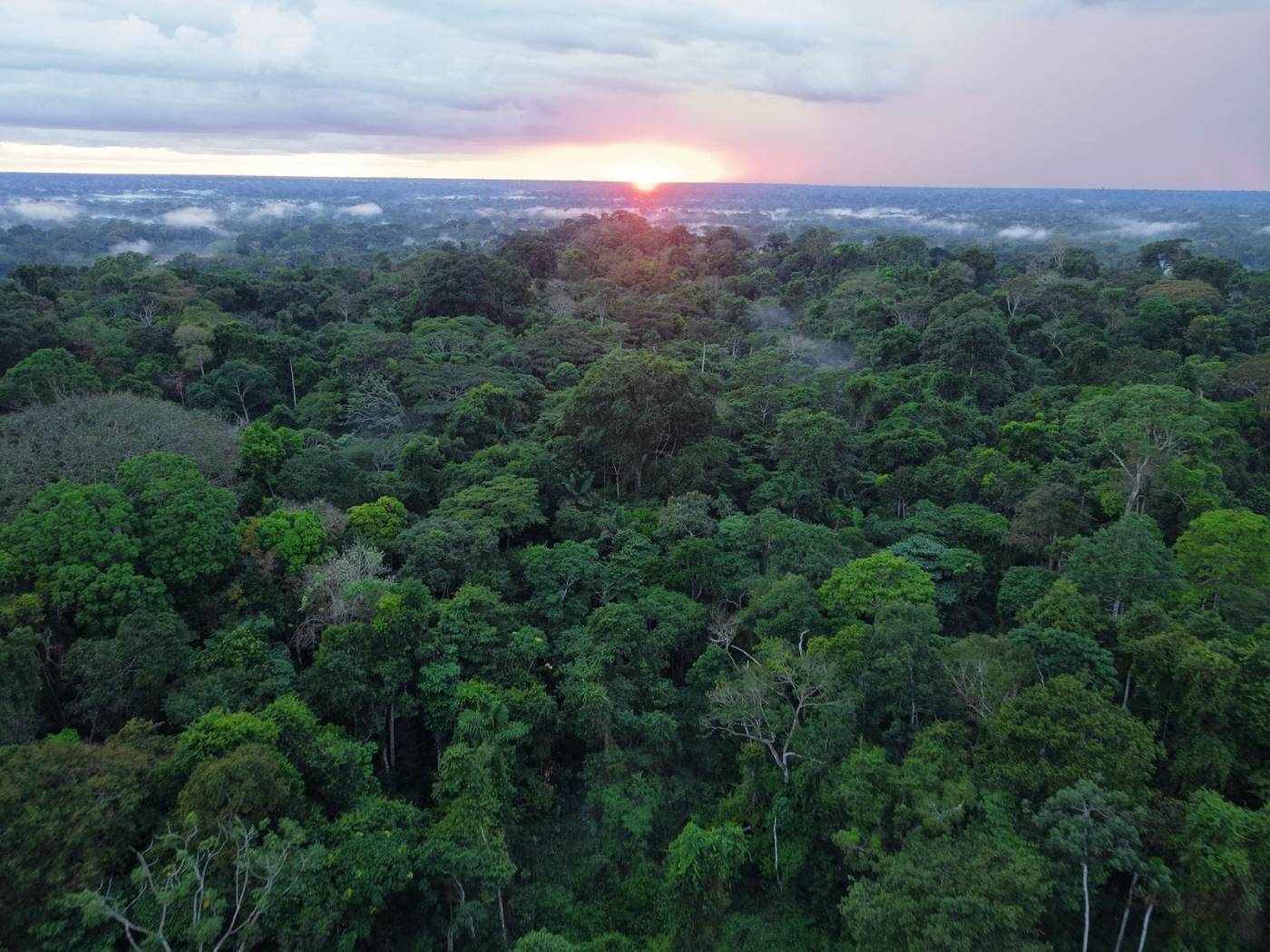
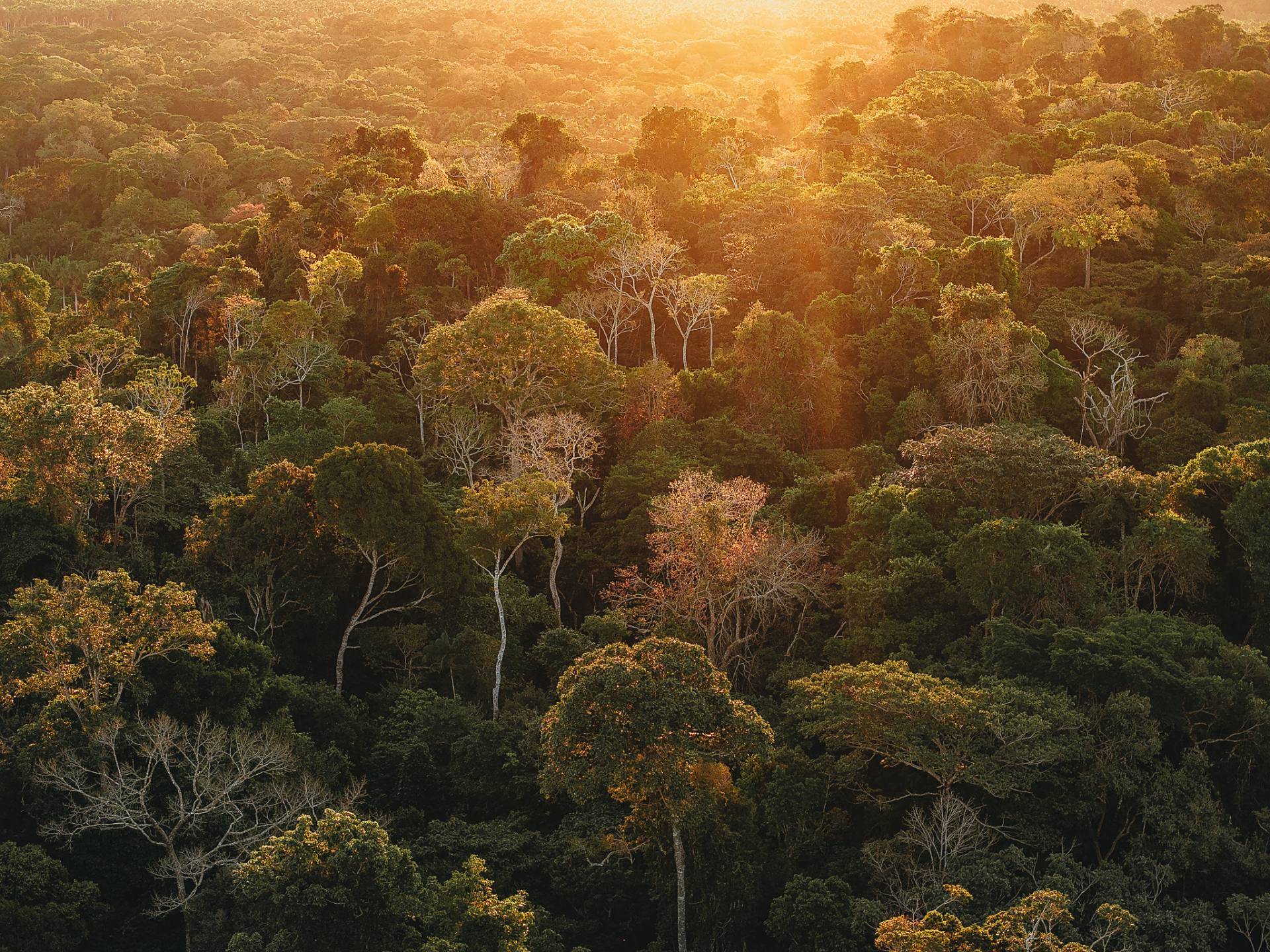
Late sun over the rainforest canopy of the Maya Mountains
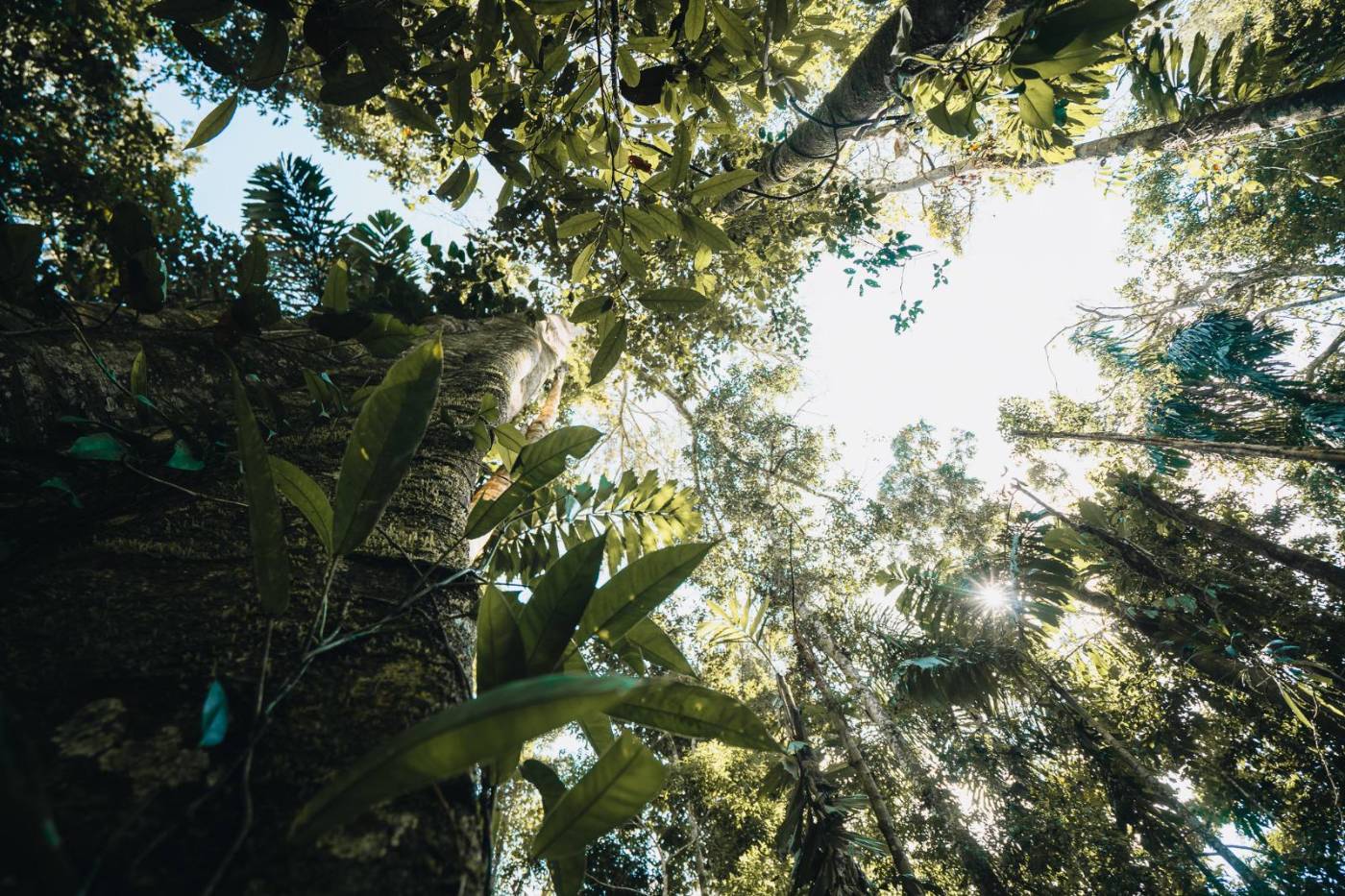
Looking up through rainforest canopy toward the sky
Students silhouetted at a cave mouth opening onto the Caves Branch River
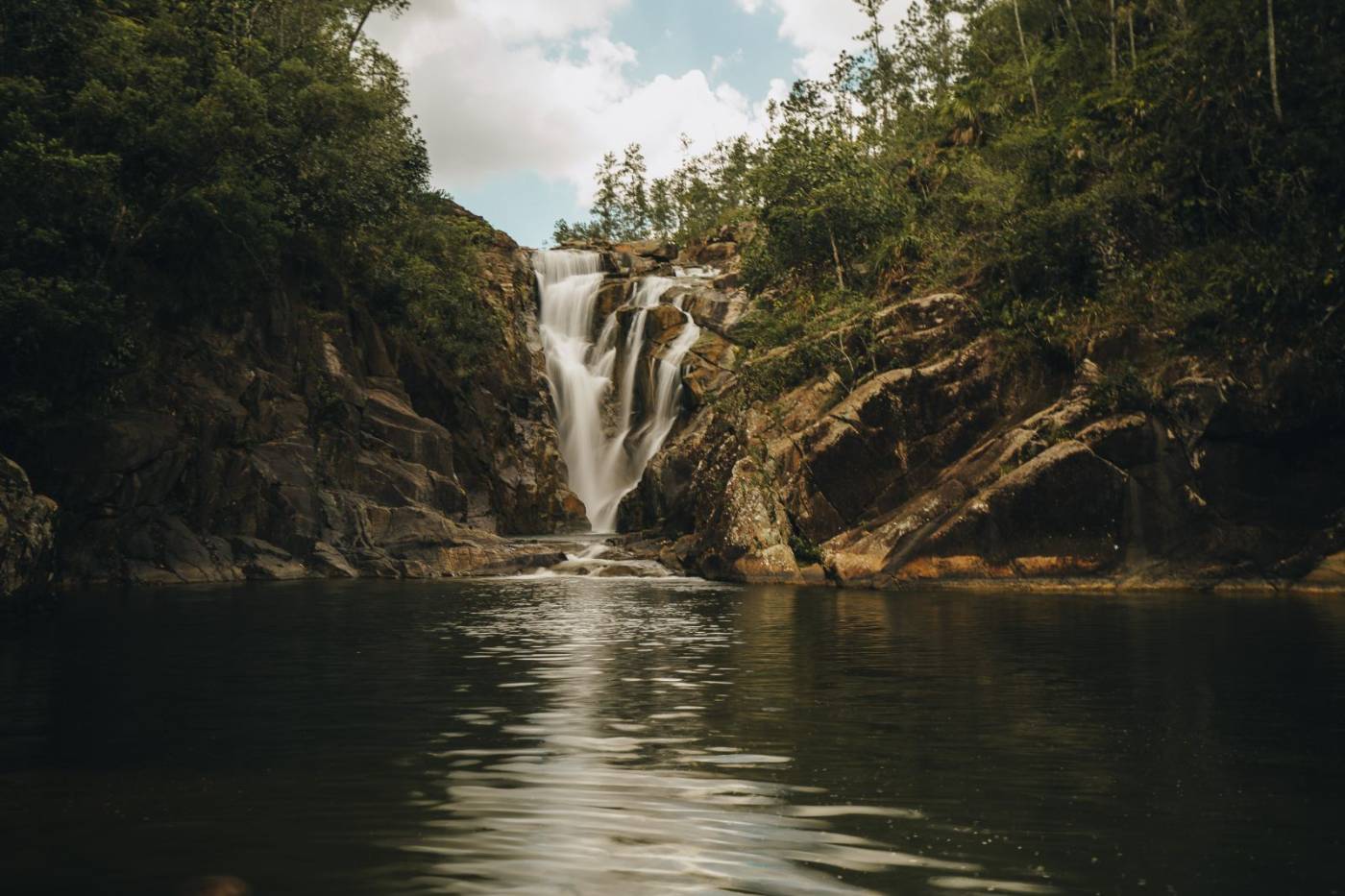
A waterfall pouring into a dark pool in Mountain Pine Ridge Forest Reserve
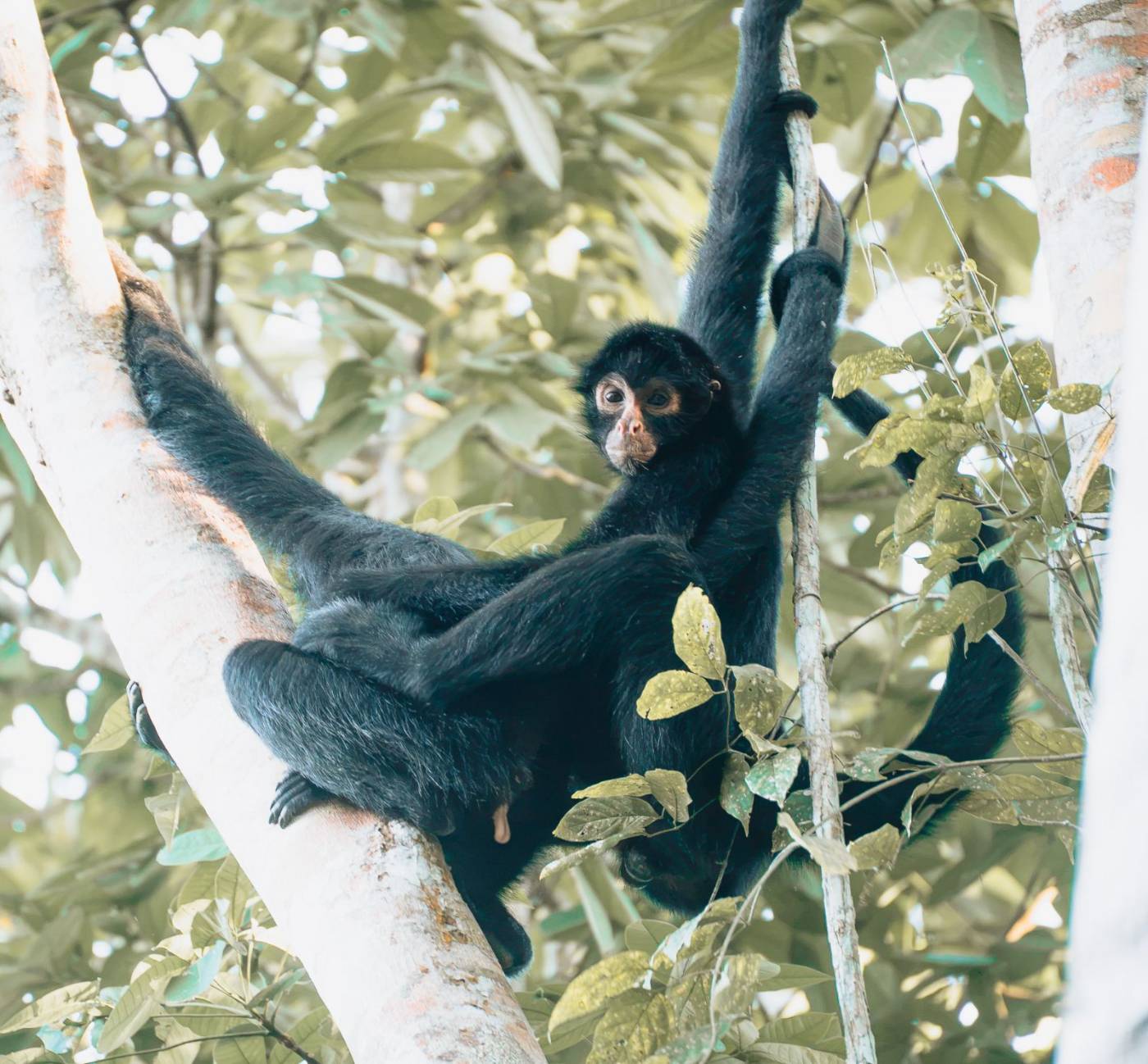
A spider monkey hanging in the forest canopy
Belize · 7-day field learning expedition · High school

Canopy, Cave, and Protection

Wildlife research, rainforest ecology, karst geology, and Maya archaeology in Belize's Maya Mountains and Cayo District for high school groups.

Start Planning Your Journey
01 / 05
Duration7 days, 6 nights
Group10 to 24 students, plus adult leaders
LocationsMaya Mountains, Cayo District, San Ignacio
DatesYear-round, flexible scheduling
Program rate$3,550 per student, airfare included
The program

From the Research Station to the Cave

Students spend the first three nights at T.R.E.E.S., a working research station in Belize's Maya Mountains, assisting resident biologists with active bird and bat research. The second half of the week moves through the karst landscapes of the Cayo District: a national park built around a collapsed cave system, a river cave shaped by centuries of Maya ceremony, and Belize's largest protected pine forest.

The program is built around a single comparison students carry through both halves of the week. A research station, a national park, and a limestone cave system each protect a landscape for a different reason, using a different set of tools. Students collect data at T.R.E.E.S., float through Nohoch Che'en knowing the Maya ceremonial history in the rock around them, and use the differences between three protected landscapes to define what protection requires.

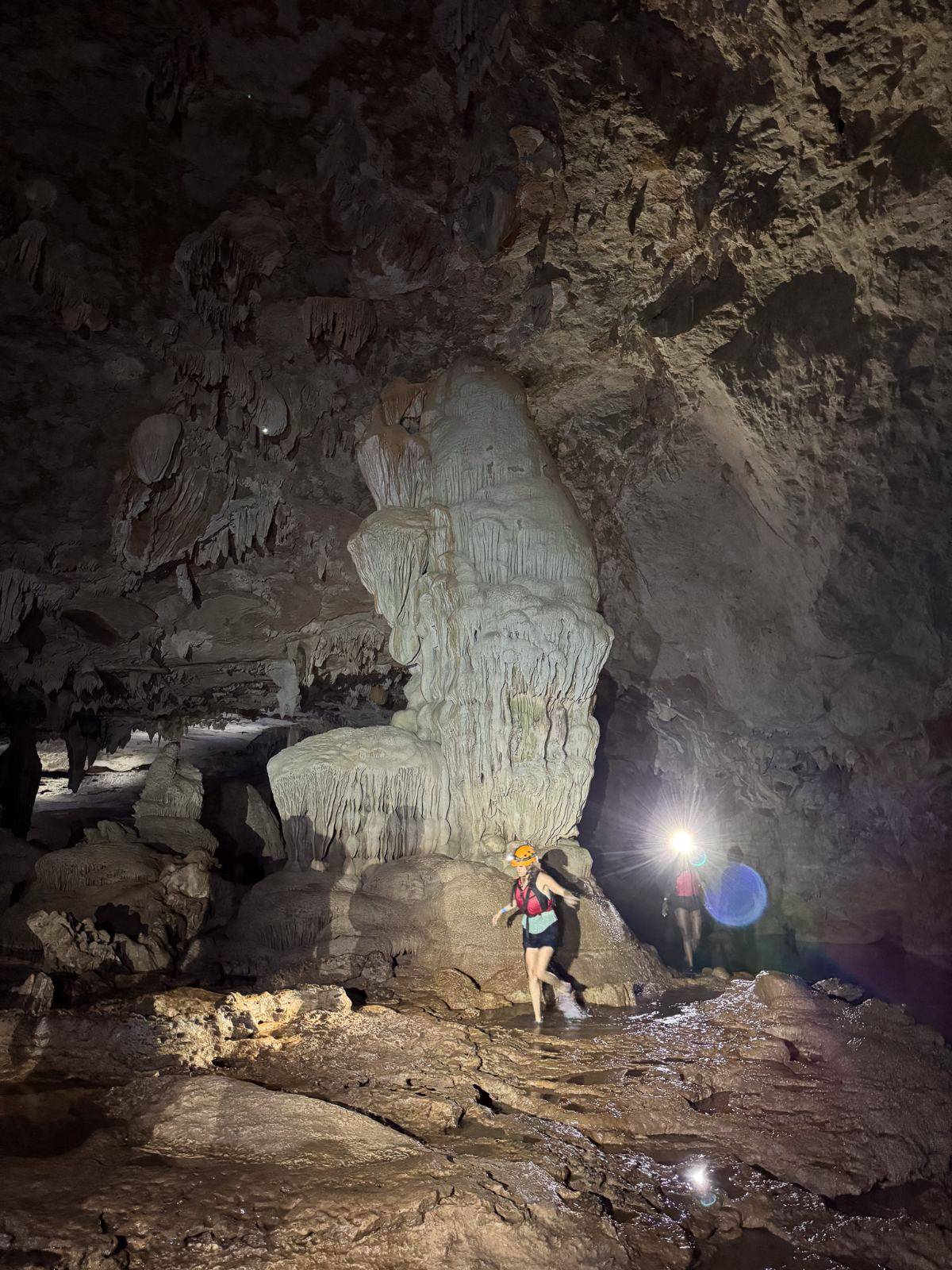
A student in a helmet and headlamp wading past a large limestone formation inside a cave
The driving question

What does it take to protect a landscape?

Students examine the question at three sites that use the word, protection, in three different contexts. The week closes with students defending which combination of tools they think works.

Lenses of inquiry
01

Protection as Data

T.R.E.E.S. Field Station

Three days assisting resident biologists with bird and bat monitoring, using the mist-netting and species identification methods the station's long-term research depends on. What does it take to understand a system well enough to protect it?

02

Protection as a Boundary

St. Herman's Blue Hole · Mountain Pine Ridge

A line on a map, enforced by a government agency. Students compare how a national park manages access, tourism, and land use against the research-driven model at T.R.E.E.S.

03

Protection as Heritage and Access

Nohoch Che'en

A geological formation, a place of Maya ceremonial history, and a popular adventure site, all in the same cave system. Students weigh which tools work when a landscape has to serve more than one purpose.

Program structure

Itinerary at a Glance

Days 1 to 3 · Maya Mountains

T.R.E.E.S. Field Station

Avian ecology fieldwork, bat research, and a guided night walk.

Day 4 · Cayo District

St. Herman's Blue Hole

Karst hike and swim, then the move from research station to protected landscapes.

Day 5 · Cayo District

Nohoch Che'en Cave Tubing

A jungle hike in, then a float through connected limestone cave chambers.

Day 6 · Cayo District

Mountain Pine Ridge

Waterfalls, pine forest ecology, and the program synthesis.

See the full itinerary
Safety and student support

Safety Makes Everything Else Possible

Every Somos program runs on protocols developed and refined across 10+ years of in-country operations. In Belize that means specific protocols for remote stations, live wildlife handling, caves, and cold water.

24/7 In-Country Support

Round-the-clock emergency communication and in-country support, with escalation protocols for every program location.

CPR and First-Aid Certified Guides

Bilingual guides certified in CPR and first aid, with comprehensive medical kits on every activity.

Licensed and Insured Transport

Every transportation provider is vetted, licensed, insured, and experienced with student groups.

Site-Specific Field Protocols

T.R.E.E.S. safety orientation for all live wildlife handling. Licensed cave guides with helmets and waterproof headlamps for everyone. Night walks with headlamps, guide supervision, and defined group boundaries.

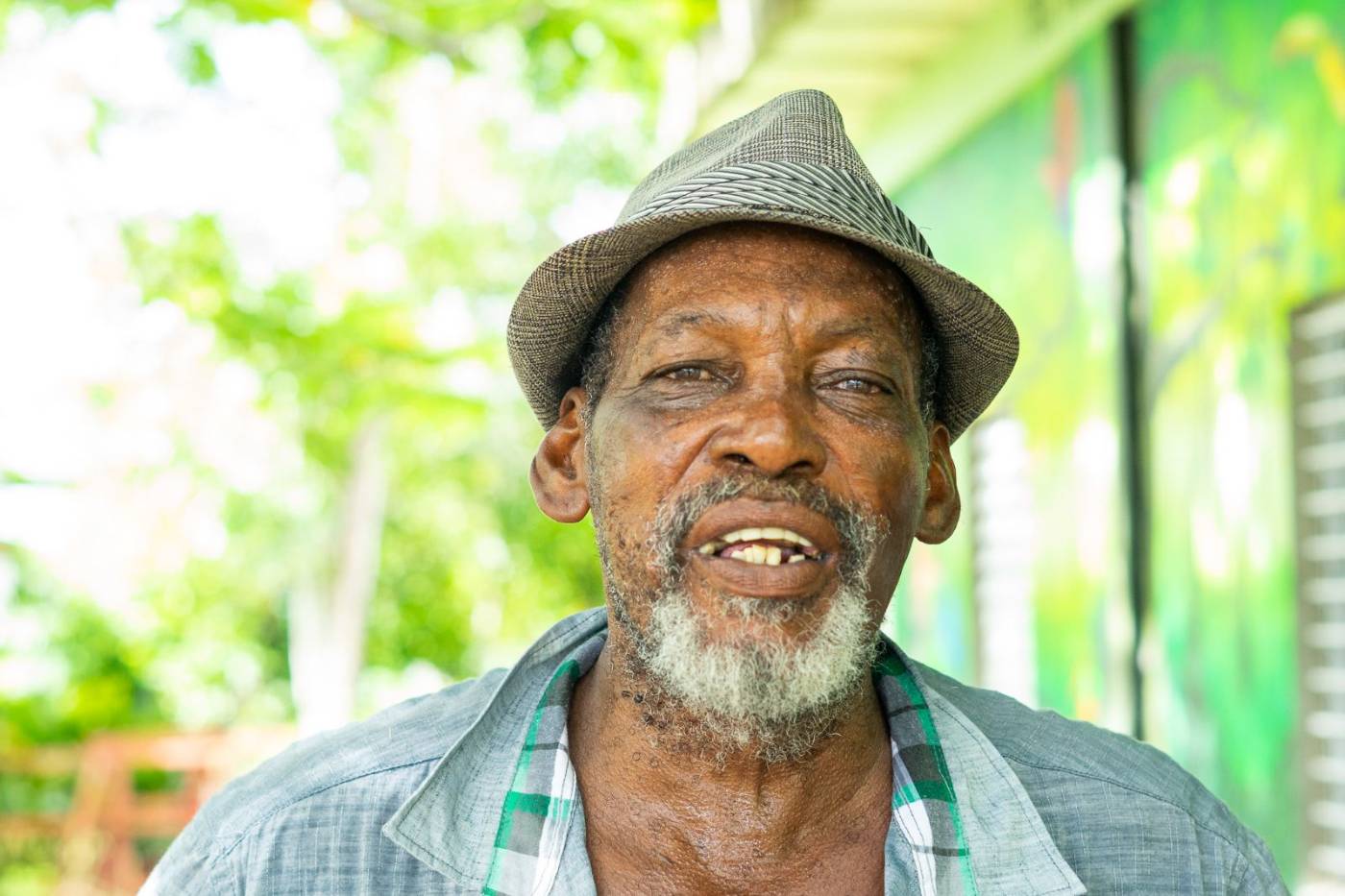
A smiling older man in a brimmed hat in Belize's Cayo District
About Somos Impact Travel

We Build the Bridge. Local Experts Do the Teaching.

Somos Impact Travel designs field-based learning expeditions across Central America, working directly with the research stations, protected-area managers, and field scientists who lead the work on the ground.

The access in this itinerary, a multi-day residency at a working research station with direct instruction from resident biologists comes from years of direct partnership with the organizations that manage these sites. Our partners are the teachers and the protagonists of every program.

Somos was started by educators and travel leaders with decades in the region. The places we work need advocates who listen, and partners who return.

10+
years of in-country operations
1,000+
travelers guided across the region
15+
community partnerships across the region
Testimonials

From Somos Travelers in Belize

"The moment that really said, this is where I'm at peace, is when I first walked in at Trees."
Student · Shoulder to Shoulder · Belize · 2026
"I feel like now that I've been here and I've been tubing and doing all these things, I'm a lot stronger than what I thought I was."
Student · Shoulder to Shoulder · Belize · 2026
"The hiking was nice, we got to socialize a lot and learn a lot about how the caves were formed."
Student · Shoulder to Shoulder · Belize · 2026
"I think the jungle was a good choice for me, and I was really happy to learn new types of trees and animals."
Student · Shoulder to Shoulder · Belize · 2026
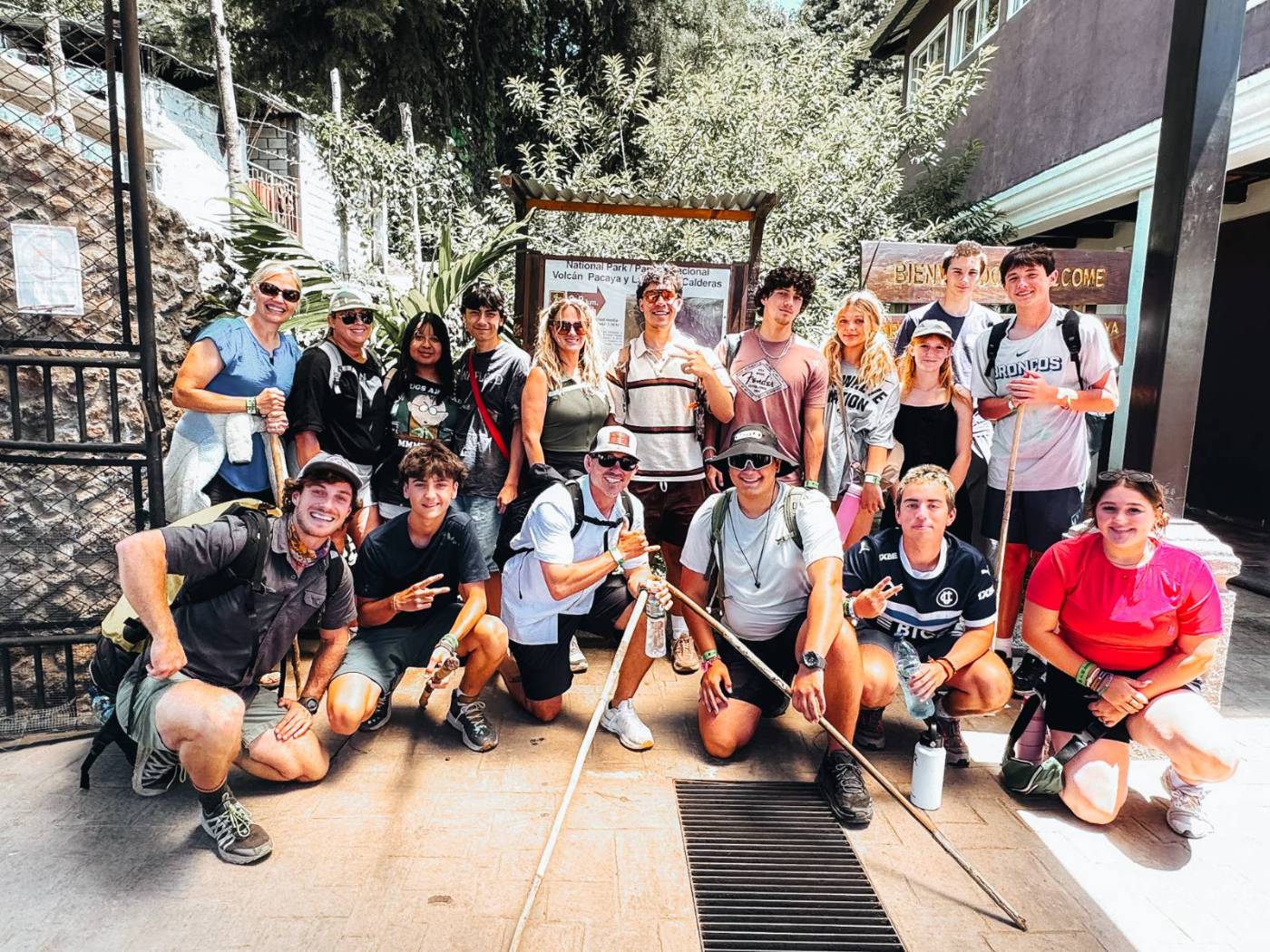
A student group and their guides gathered at a trailhead before a hike
DAY 1Maya Mountains

Arrival and Introduction to T.R.E.E.S.

T.R.E.E.S. sits deep in the Maya Mountains, reached by a private transfer that gets rougher as the road climbs into forest. Students arrive at a functioning research station, not a lodge built for visitors, and spend their first evening learning what the resident biologists are working on before a single field activity begins.

Afternoon
  • Arrival at Philip S. W. Goldson International Airport, Belize City
  • Private ground transfer to T.R.E.E.S. (Toucan Ridge Ecology and Education Society), Maya Mountains (about 3 hours)
  • Station orientation: facilities tour, safety briefing, and introduction to resident biologists
Evening
  • Overview of current research projects and conservation priorities at the station
  • Dinner at the station
  • Safety briefing and group guidelines
EVENING REFLECTIONYou just heard what the biologists here are researching. What surprised you about how that work gets done day to day?

Overnight: T.R.E.E.S. Field Station, Maya Mountains (Night 1 of 3)
Logistics: Extended road transport on unpaved terrain, remote station orientation, group communication setup
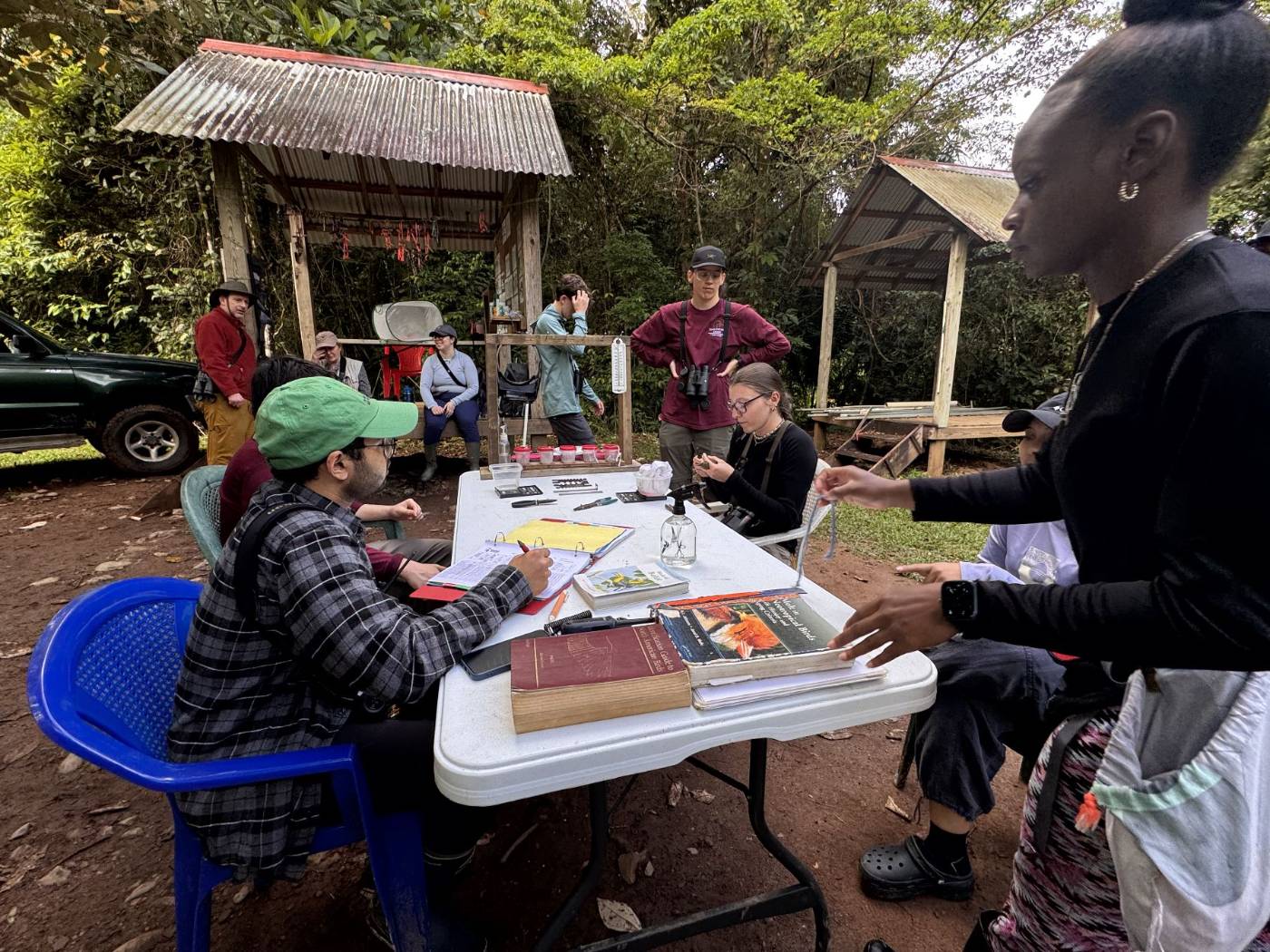
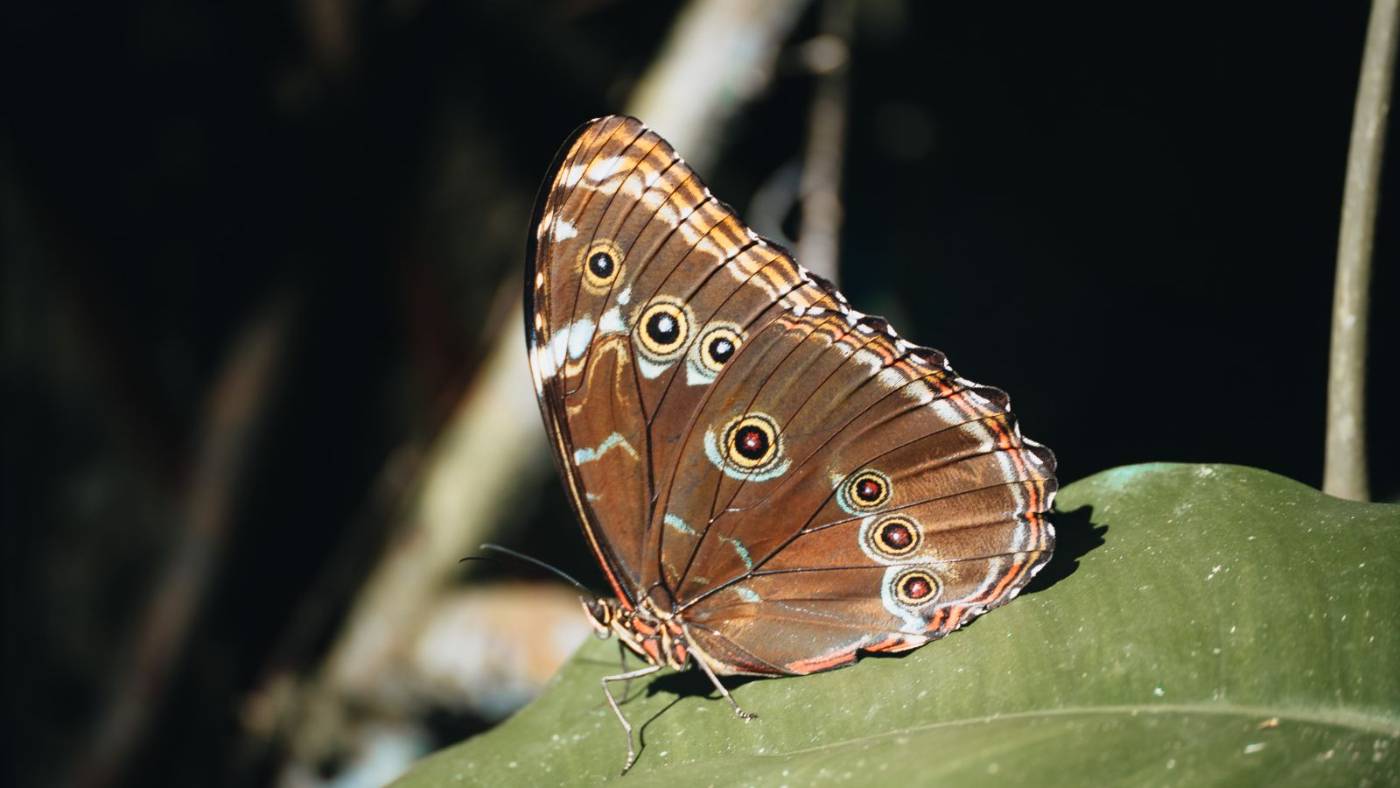
Students and station biologists recording bird data at a field table with identification guidesA blue morpho butterfly resting on a leaf with its wings closed
DAY 2T.R.E.E.S. Field Station

Avian Ecology and Forest Monitoring

Bird research at T.R.E.E.S. Students join the station's ongoing bird monitoring program at the hour when mist-netting works, doing species identification and data recording the resident biologists rely on for their long-term dataset.

Early morning
  • Bird monitoring fieldwork alongside the research team
  • Mist-netting demonstration and technique
  • Species identification using field guides and direct observation
  • Data collection and recording in field notebooks
  • Migratory versus resident species, and the habitat requirements that determine where each thrives
Afternoon
  • Forest walk focused on canopy structure and microhabitat formation
  • Habitat mapping: reading the landscape the way a field biologist does
  • Ecosystem services: water filtration, carbon storage, climate regulation
Evening
  • Dinner at the station
  • Reflection session: why birds function as indicator species for ecosystem health
EVENING REFLECTIONWhat can a single bird species can tell a biologist about the health of an entire forest?

Overnight: T.R.E.E.S. Field Station, Maya Mountains (Night 2 of 3)
Logistics: Early-morning fieldwork, live bird handling protocols set by station staff, forest terrain

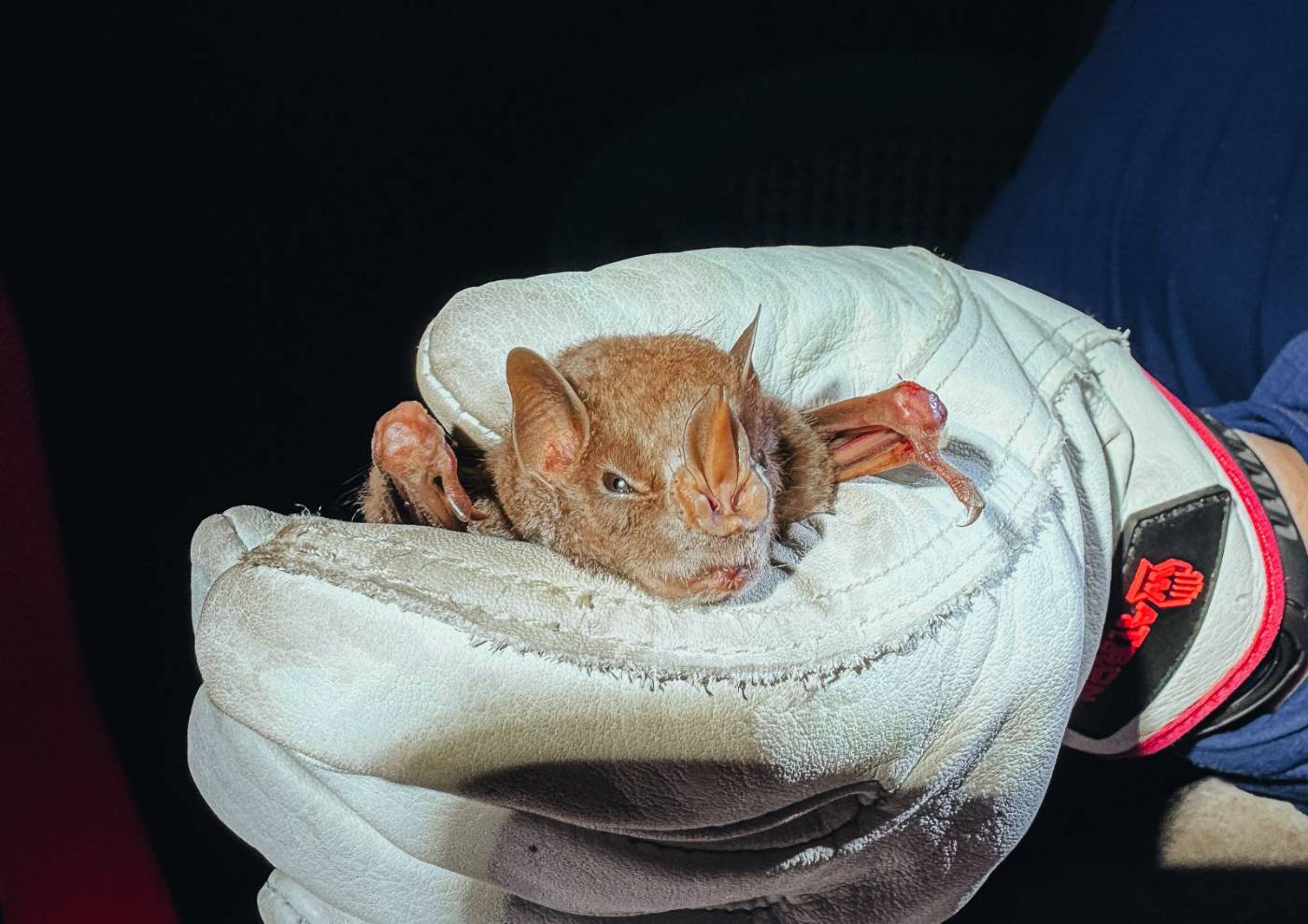
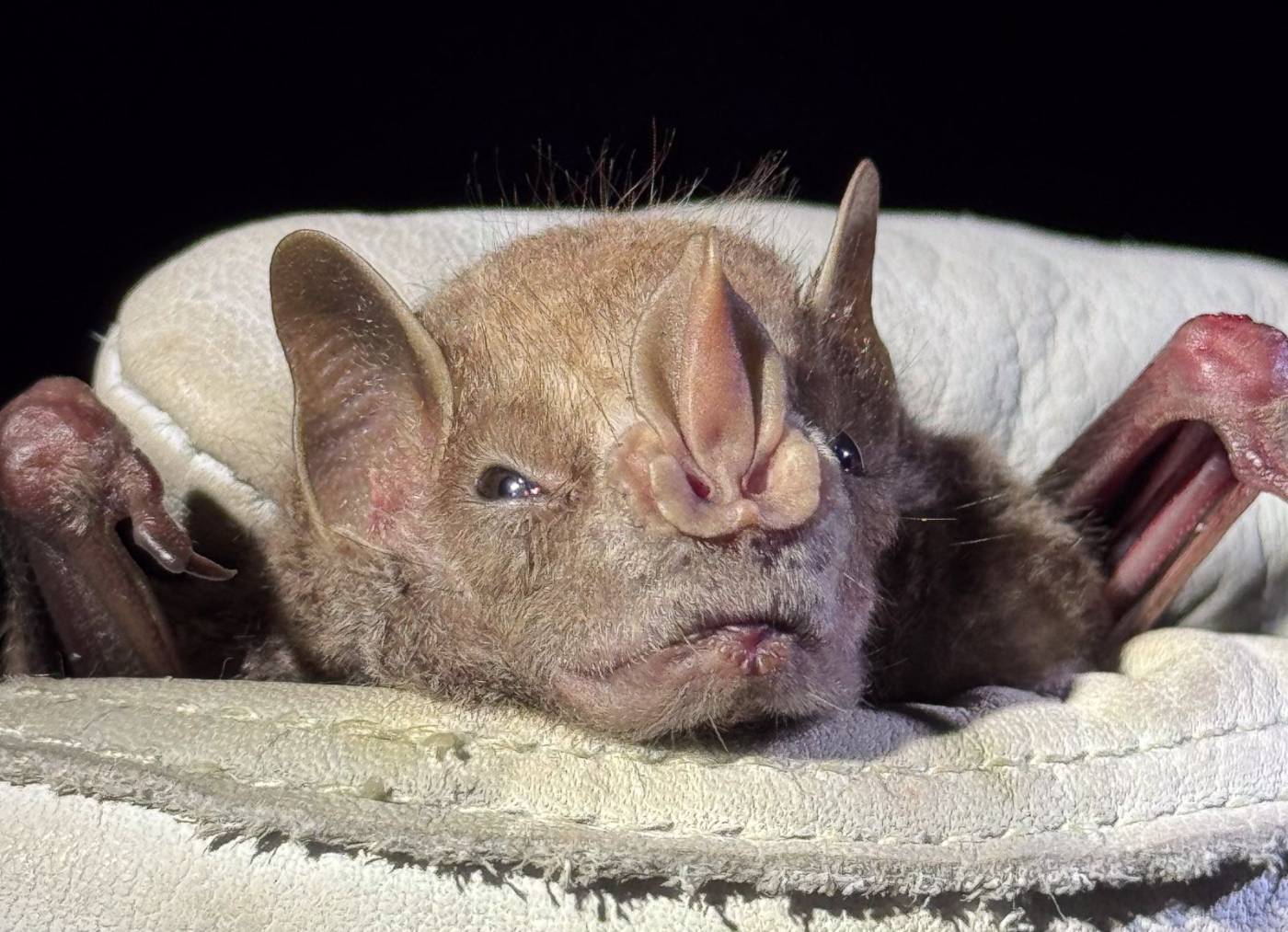
A small bat held securely in a researcher's leather gloveClose-up of a leaf-nosed bat during field research
DAY 3T.R.E.E.S. Field Station

Bat Ecology, Wildlife Research, and Night Walk

Bats do the work of pollination, seed dispersal, and insect control that shapes the ecosystem below the canopy. Students spend the day learning the station's bat research methods, then head out after dark to witness the bats in action.

Morning
  • Session on bat ecology and the cascading effects of bat population loss on forest systems
Afternoon
  • Hands-on participation in bat research activities
  • Monitoring techniques used by field biologists
  • Species identification and field data collection
Evening
  • Dinner at the station
  • Guided night walk: nocturnal species observation with headlamps and red-light protocols
  • Discussion on rainforest food webs and nocturnal behavioral adaptations
EVENING REFLECTIONWhat does the forest tell you at night that it doesn't tell you during the day?

Overnight: T.R.E.E.S. Field Station, Maya Mountains (Night 3 of 3)
Logistics: Live animal handling safety and protocols, nocturnal navigation, insect and wildlife exposure, late-evening supervision

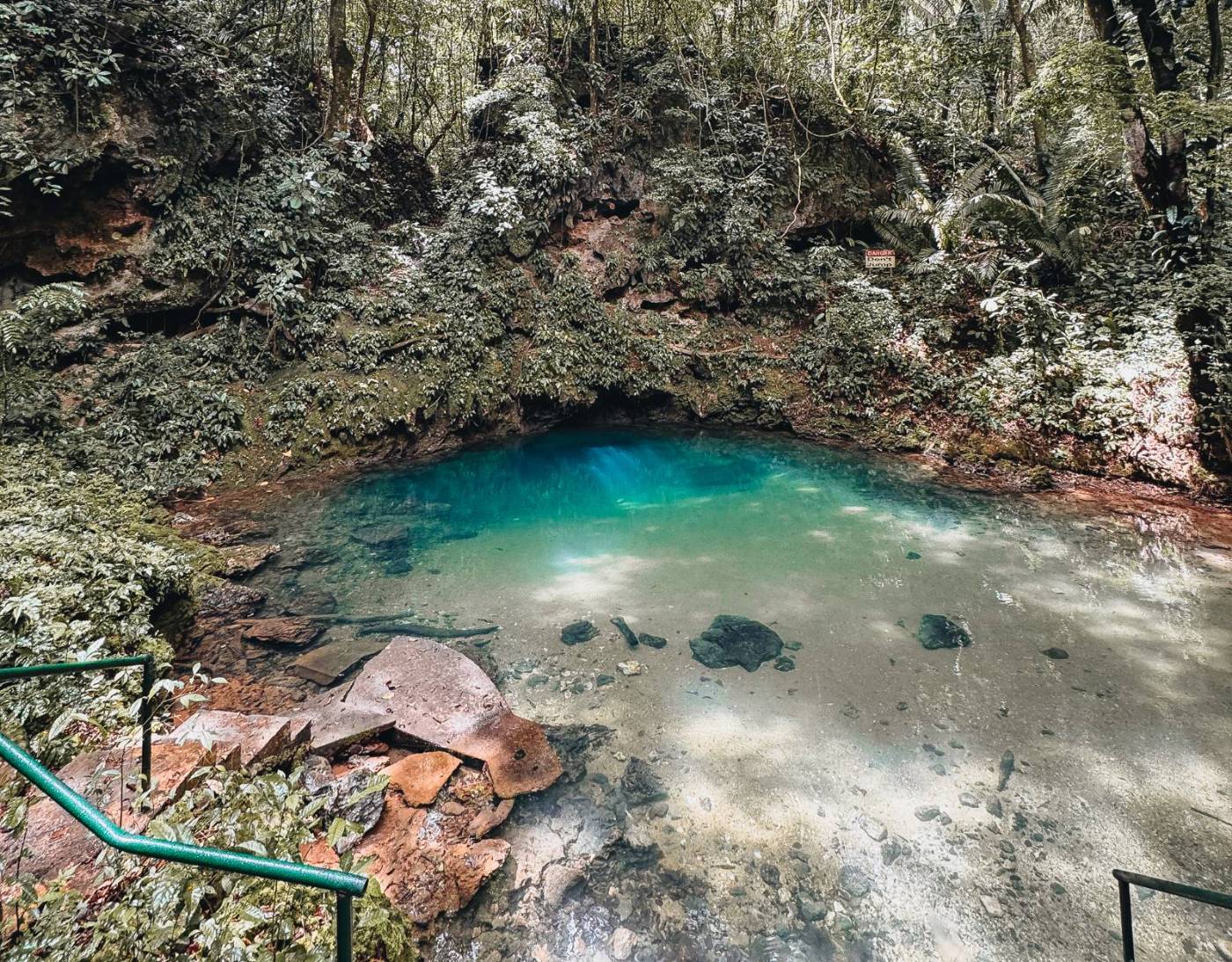
The turquoise pool of St. Herman's Blue Hole beneath a forested limestone wall
DAY 4St. Herman's Blue Hole · San Ignacio

St. Herman's Blue Hole National Park and the Move to San Ignacio

The transfer from T.R.E.E.S. to St. Herman's Blue Hole is a transfer between two protection models: a research station where protection runs on data, and a national park where it runs on a boundary and a management agency. Students spend the day inside the second model before arriving in San Ignacio for the rest of the week.

Morning
  • Departure from T.R.E.E.S. and farewell to the resident biologists
  • Transfer to St. Herman's Blue Hole National Park
  • Guided forest hike through karst terrain, a landscape system distinct from the rainforest at T.R.E.E.S.
  • Karst hydrology: how freshwater systems form in limestone and why they are especially vulnerable to pollution and land-use change
  • Swim in the Blue Hole and picnic lunch on site
Afternoon
  • Continue to San Ignacio and check in
Evening
  • Dinner in town
  • Orientation walk through San Ignacio
EVENING REFLECTIONA national park and a research station both call what they do "protection." What's different about how each one does it?

Overnight: Hotel or guesthouse, San Ignacio, Cayo District (Night 1 of 3)
Logistics: Extended road transport, karst terrain hiking, cold-water swimming supervision

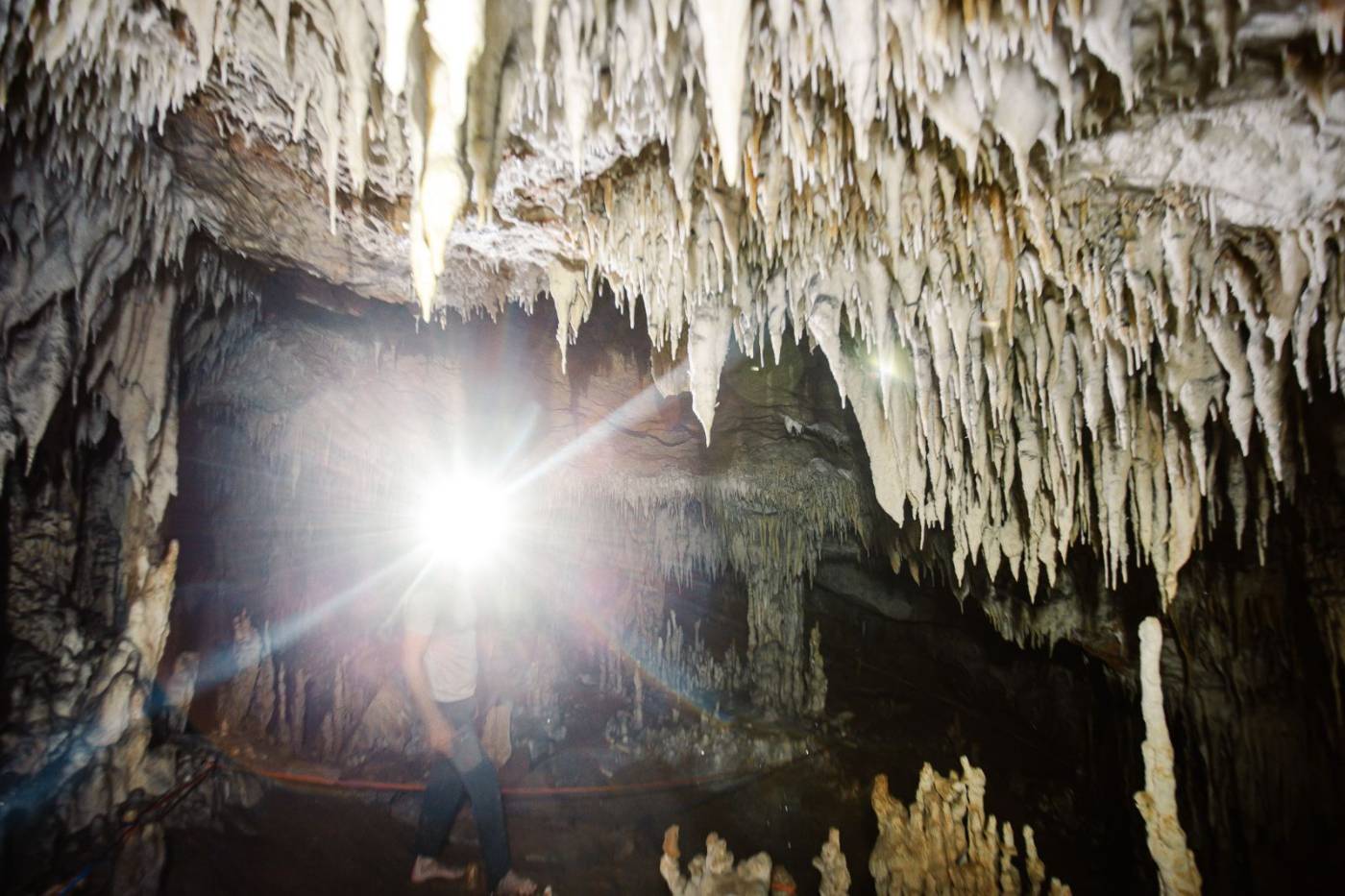
Stalactites hanging from a cave ceiling lit by a headlampStudents silhouetted where the cave opens onto the Caves Branch RiverA student wading past a large limestone formation
DAY 5Nohoch Che'en Caves Branch Archaeological Reserve

Nohoch Che'en Cave Tubing Expedition

Nohoch Che'en means "Big Cave" in the Maya Q'eqchi' and Mopan languages, and the site has served two different purposes over the centuries: a place of Maya ceremony, and now one of Belize's most visited adventure destinations. Students hike into the reserve, then float on inner tubes through a series of connected cave chambers carved by the Caves Branch River, in a landscape managed for recreation, geology, and cultural history.

Morning
  • Transfer to Nohoch Che'en Caves Branch Archaeological Reserve
  • Guided jungle hike to the cave entrance along the Caves Branch River
Full day at Nohoch Che'en
  • Guided cave tubing expedition through a series of connected limestone cave chambers
  • Cave formation and hydrology: how the Caves Branch River carved this system over thousands of years
  • Maya ceremonial history: what the cave meant to the people who used it centuries ago, and how archaeologists know
  • Cave-adapted organisms and ecosystems that exist without sunlight
  • Managing a site for tourism, recreation, and archaeological and ecological protection at the same time
Evening
  • Dinner in San Ignacio
  • Reflection discussion: what changes when a protected landscape is also a popular recreation site
EVENING REFLECTIONThousands of people float through this cave every year for fun. What does that popularity make easier to protect here, and what does it make harder?

Overnight: Hotel or guesthouse, San Ignacio, Cayo District (Night 2 of 3)
Logistics: Cave tubing and cold-water exposure, jungle hike to cave entrance, licensed guide required, water-level-dependent conditions

A waterfall dropping through a rocky gorge into a dark pool in Mountain Pine Ridge
DAY 6Mountain Pine Ridge Forest Reserve

Mountain Pine Ridge Forest Reserve

Mountain Pine Ridge is Belize's largest protected area, and it looks nothing like the rainforest at T.R.E.E.S. or the karst terrain around the Blue Hole. Students spend the day in a third ecosystem before closing the week with a synthesis session comparing all three protection models side by side.

Morning
  • Day trip to Mountain Pine Ridge Forest Reserve
  • Hike to waterfalls and natural pools
  • Swimming and exploration of pine forest ecosystems
Afternoon
  • Field activity: observing and recording differences between pine forest and rainforest systems
  • Soil, vegetation, and wildlife comparison across the ecosystems visited this week
  • Final synthesis: the research-based model at T.R.E.E.S., the government-managed model at Blue Hole and Mountain Pine Ridge, and the tourism-and-heritage model at Nohoch Che'en
  • Lens of inquiry revisit: how did each site answer the driving question differently?
Evening
  • Group dinner in San Ignacio
EVENING REFLECTIONOf the three protection models you've seen this week, which one would you trust most to still be working in fifty years, and why?

Overnight: Hotel or guesthouse, San Ignacio, Cayo District (Night 3 of 3)
Logistics: Extended day trip, waterfall swimming supervision, pine forest terrain

Sunset over an unbroken rainforest canopy with low mist
DAY 7Departure

Departure and Synthesis

Students leave with field notebooks full of real data and a working comparison of three ways a landscape can be protected. The closing session asks them to take that comparison home and apply it somewhere it hasn't been tested yet: their own community.

Morning
  • Breakfast in San Ignacio, check-out, and luggage coordination
  • Closing discussion: what makes protection effective, and what the evidence from this week suggests
  • How the lessons from T.R.E.E.S., the Blue Hole, Nohoch Che'en, and Mountain Pine Ridge apply to students' own home environments
  • Private ground transfer to Belize City (about 2.5 to 3 hours), airport check-in and departure

Logistics: Extended road transport, airport coordination, group document check

Impact partners

The Researchers and Protected Landscapes Behind This Program

These relationships come from years of direct partnership with the research station and protected-area managers in Belize's Cayo District. The station residency, entrance fees, and activity equipment are built into the program cost.

Students recording bird monitoring data with T.R.E.E.S. biologists at the station's banding table
T.R.E.E.S. toucan logo Main partner · Days 1 to 4

T.R.E.E.S.

Toucan Ridge Ecology and Education Society

A working research and education station in the Maya Mountains of Belize's Cayo District. Resident biologists run long-term research in avian ecology, bat biology, and tropical forest monitoring, and the station opens that research to student groups through structured residencies.

Students spend three days assisting with research: mist-netting and species identification during morning bird surveys, bat monitoring in the afternoon, and a guided night walk built around nocturnal species.

  • Direct instruction from biologists conducting research
  • Access to long-term ecological monitoring data and methods
  • A working station, not a demonstration site

Student outcome: Students understand how long-term field data is collected, and what it takes to know a forest well enough to protect it.

Lens of inquiry question: What does it take to understand a system well enough to protect it?

National park · Day 4

St. Herman's Blue Hole National Park

A national park built around a collapsed cave system in karst terrain. Students hike the forest, swim the Blue Hole, and study how freshwater moves through limestone.

Student outcome: Students understand why karst freshwater systems are especially vulnerable to pollution and land-use change.

Lens of inquiry question: How does a boundary and a management agency protect a landscape differently than a research station?

Archaeological reserve · Day 5

Nohoch Che'en Caves Branch

A river cave system carved by the Caves Branch River, used for Maya ceremony for centuries and now one of the most visited adventure sites in Belize. Licensed guides lead the tubing expedition.

Student outcome: Students understand how one site is managed for recreation, geology, and cultural history at the same time.

Lens of inquiry question: What does popularity make easier to protect here, and what does it make harder?

Forest reserve · Day 6

Mountain Pine Ridge Forest Reserve

Belize's largest protected area, a pine forest ecosystem with waterfalls and natural pools that looks nothing like the rainforest at T.R.E.E.S.

Student outcome: Students compare soil, vegetation, and wildlife across three ecosystems visited in one week.

Lens of inquiry question: Which protection model would you trust most to still be working in fifty years?

Learning outcomes

Academic and Experiential Outcomes

Field Research and Conservation Skills

  • Bird monitoring methods used in active ecological research: mist-netting, species identification, and field data recording
  • Bat research techniques and the role of bats in pollination, seed dispersal, and insect population control
  • Nocturnal field observation, including species identification by call and behavior
  • Comparative field documentation across three ecosystem types in a single week

Ecological and Geological Understanding

  • Rainforest canopy structure and how layered architecture creates distinct microhabitats
  • Karst hydrology: how limestone dissolves and reshapes over time, and why karst freshwater systems are especially vulnerable to pollution
  • Cave-adapted organisms and the ecosystems that exist without sunlight
  • Comparative ecology across rainforest, karst, and pine forest systems within a single protected region

Cultural and Historical Competency

  • Maya cave ceremony and the archaeological and cultural history of the Nohoch Che'en cave system
  • The role of caves in Maya cosmology and how that history shapes current cave conservation and tourism policy
  • How a single site can be managed for ecological protection, archaeological preservation, and public access at the same time

Personal Growth and Systems Thinking

  • Confidence working alongside professional biologists on active research
  • Comfort with enclosed spaces, cold water, and extended physical exertion
  • Ability to compare and evaluate competing models of land protection using direct field evidence
  • Independent field observation and data recording without constant guidance
Before you go

Trip Preparation

Passports

Every traveler needs a passport valid at least 6 months beyond the departure date.

Flights

International airfare to and from Belize City (BZE) is included. Somos coordinates the group booking and airport transfers.

Travel Insurance

Comprehensive coverage is required for all students and adults, and is not included in the program cost.

Vaccinations

Consult a travel health clinic. Standard Belize recommendations apply.

Communication

Somos uses WhatsApp for in-country group communication. Every adult leader should have it installed before departure.

Money and Banking

Notify your bank of international travel before departure so cards work in-country.

Packing list

Rainforest, Cave, and Pine Ridge

The Cayo District is warm and humid, with rain possible any day and cooler nights in the Maya Mountains. Somos sends a specific gear list before departure.

Daily Wear and Travel Days

  • Lightweight, quick-dry layers
  • Long sleeves and long pants for forest work and the night walk
  • A light fleece for cool mountain evenings
  • Rain jacket
  • Comfortable walking shoes

Field, Cave, and Water Days

  • Closed-toe water shoes for cold-water wading and cave terrain (required)
  • Hiking shoes with grip for uneven trails
  • Headlamp with a red-light setting for the night walk
  • Sun hat, sunglasses, and reef-safe sunscreen
  • DEET insect repellent
  • Daypack, refillable water bottle, field journal and pen

Community Visits and Town

  • Modest clothing for town and group dinners
  • One nicer outfit for the farewell dinner in San Ignacio
  • Swimwear and quick-dry towel for the Blue Hole and waterfalls

Optional

  • Binoculars for bird surveys
  • Camera or GoPro with a waterproof case
  • Small padlock
  • Dry bag

Documents and Essentials

  • Passport valid 6+ months
  • Printed travel insurance details
  • Emergency contact card
  • Personal medications in original packaging
  • Vaccination records
FAQ

Answers to Your Questions

For Teachers and Administrators

How does this align with our curriculum?

The program runs on one driving question and three lenses of inquiry, with outcomes in field research, ecology and geology, Maya history, and systems thinking. Somos adapts the framework to your school's academic goals and provides pre-trip and post-trip materials.

What is the student-to-adult ratio?

Groups of 10 to 24 students travel with your school's adult leaders, and one teacher travels free for every 8 to 10 students. Bilingual guides are with the group throughout, and resident biologists and licensed cave guides lead their sites.

How are medical emergencies handled?

Guides are CPR and first-aid certified and carry medical kits on every activity. Somos provides 24/7 in-country support and emergency communication, with protocols specific to the remote station, caves, and water activities.

What is the commitment and cancellation timeline?

A $500 deposit per traveler holds a place. 50% of the program cost is due 90 days before departure and the remainder 60 days before. Cancellations more than 90 days out are refunded in full, excluding the deposit. See the Pricing tab for the full policy.

Can we customize the itinerary?

Yes. This itinerary is a starting point. Somos aligns every element with your school's academic framework, grade-level learning goals, and approach to experiential education.

For Parents and Students

Is this right for a first-time international traveler?

Yes. Many of our students have never traveled without family. Pre-trip preparation covers each site, and bilingual guides are with the group from arrival to departure.

How physically demanding is it?

Moderate, with a few specific demands: wading and tubing through cold water and cave passages, hiking on uneven terrain, and early-morning and after-dark fieldwork. Students should be comfortable in enclosed spaces and able to hike for sustained periods.

How will students stay in touch with home?

Adult leaders and Somos staff communicate over WhatsApp throughout the trip. Before departure, families receive a daily communication framework so everyone knows when and how updates arrive. Connectivity at the remote station is limited.

Can dietary needs be accommodated?

Yes. Share dietary needs and allergies on the traveler forms and Somos briefs the station kitchen and every restaurant in advance.

What if my student gets homesick?

It happens, usually around day two or three. Daily reflection sessions, a steady group routine, and guides who check in one-on-one give students somewhere to put it.

How much spending money should students bring?

Nearly all meals are included. Students need money for 1 to 2 independent meals, souvenirs, and personal expenses. Tips for guides and drivers are optional and separate; Somos shares a recommended range before departure.

Program rate

Pricing and Logistics

This program is offered at $3,550 per student, all-inclusive, covering international airfare, lodging, meals, transportation, guiding, and activities as detailed below. One teacher travels free for every 8 to 10 students. A detailed cost breakdown follows program confirmation.

Budget target
$3,550per student, airfare included
Duration
7 days, 6 nights
Group size
10 to 24 students, plus adult leaders
Teachers
One free per 8 to 10 students
Request a custom quote
Six nights, two bases

Where Students Stay

Looking up through the rainforest canopy near the station
Nights 1 to 3

T.R.E.E.S. Field Station, Maya Mountains

A working research station, not a lodge built for visitors. Meals are at the station, and fieldwork starts steps from where students sleep.

A Cayo District resident in a woven hat, smiling outdoors
Nights 4 to 6

Hotel or Guesthouse, San Ignacio

A base in the Cayo District's main town for day trips to Nohoch Che'en and Mountain Pine Ridge, with dinners in town.

Included in the Program

Accommodations

  • 3 nights T.R.E.E.S. Field Station, Maya Mountains
  • 3 nights hotel or guesthouse, San Ignacio
  • All rooms with private access to bathrooms and secure facilities

Meals

  • All breakfasts
  • Most lunches, including a picnic lunch at St. Herman's Blue Hole
  • Most dinners, including the farewell dinner in San Ignacio
  • Water and hydration during all field activities

Transportation

  • International airfare
  • All ground transportation in private, licensed, insured vehicles
  • Airport transfers on arrival and departure
  • Transportation to St. Herman's Blue Hole, Nohoch Che'en, and Mountain Pine Ridge

Activities and Guides

  • Professional bilingual guides trained in educational travel and youth programs
  • Resident biologist-led fieldwork at T.R.E.E.S.: bird monitoring, bat research, guided night walk
  • Nohoch Che'en cave tubing expedition with a licensed guide
  • St. Herman's Blue Hole National Park guided hike and Mountain Pine Ridge day trip
  • All site access, entrance fees, and activity equipment

Educational Support

  • Pre-trip materials for teachers and students
  • Lens of inquiry facilitation throughout the program
  • Daily structured reflection sessions and field journaling materials
  • Post-trip educational resources

Safety and Logistics

  • 24/7 in-country supervision and emergency support
  • Comprehensive risk management protocols
  • Emergency communication systems

Not Included

  • Travel insurance (required)
  • Personal expenses and souvenirs
  • Optional tips for guides and drivers
  • Meals noted as independent (typically 1 to 2 during the program)

Payment and Cancellation

Deposit$500 per traveler, non-refundable, honored for life toward any future program
90 days out50% of the program cost due
60 days outBalance due
More than 90 days outFull refund, excluding deposit
90 days or fewerNo refund

If Somos cancels for low enrollment, travelers receive a full refund including the deposit. Force majeure events may be rescheduled or refunded in part or full at Somos's discretion, excluding the deposit. Cancellation notice must be sent in writing to team@somos.travel. Full terms: Terms and Conditions.

Next steps

Take the first step on your journey today.

This itinerary is a starting point. We will align every element with your school's academic framework, grade-level learning goals, and preferred approach to experiential education.

Start Planning Your Journey
Contact Shad Qudsi Somos Impact Travel shad@somos.travel WhatsApp +502 4681 4697