Somos Impact Travel
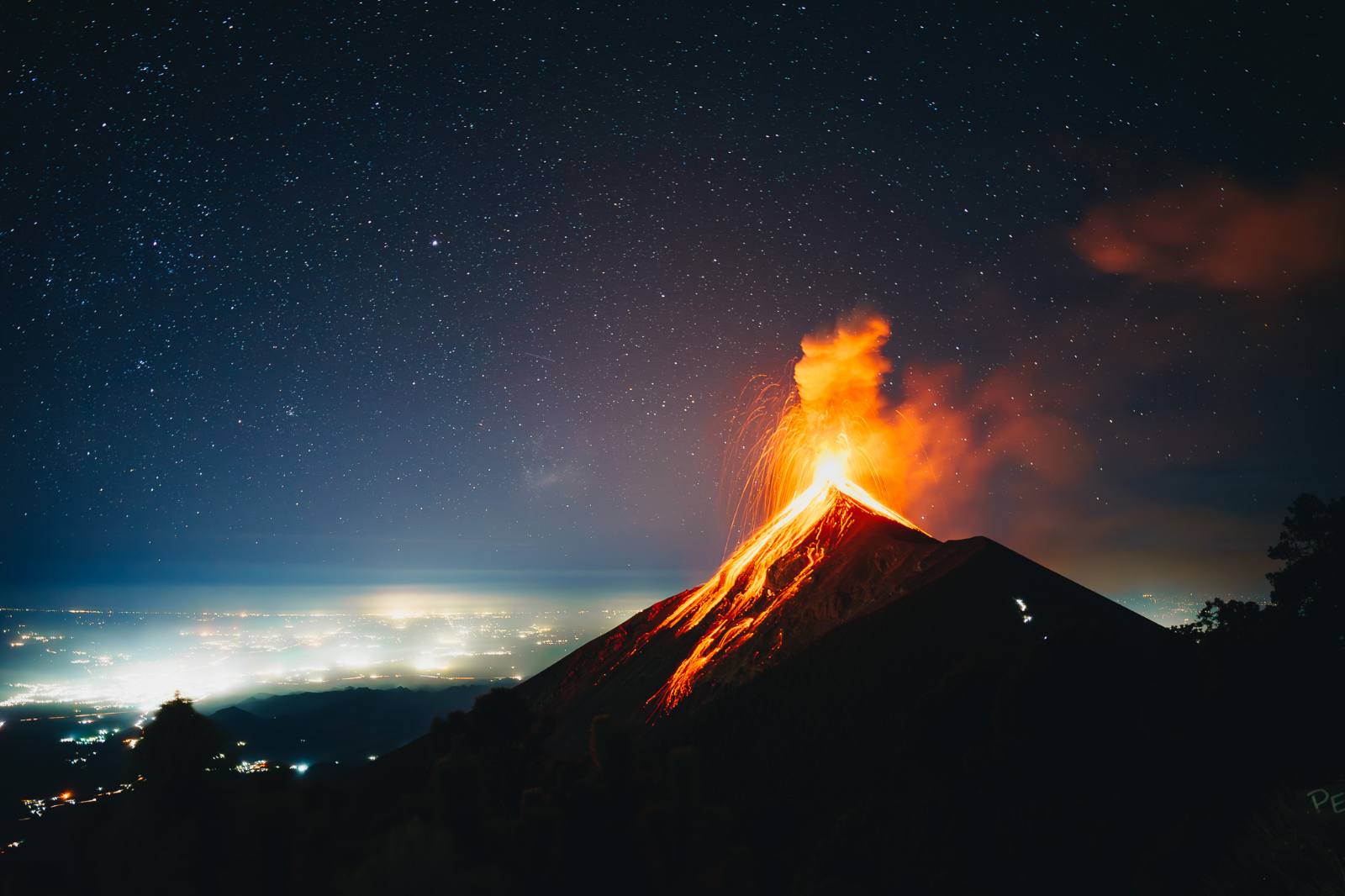
Volcán de Fuego erupting at night above the city lights
2027 Programs

Trip Experience Catalogue

Travel beyond. Come back different.

12 expeditions 5 countries 10+ years in the field
Who we are

Your bridge to the people already doing the work

Somos Impact Travel connects schools and student groups with local leaders solving the most pressing environmental and social challenges in Central and South America. Our leadership team lives and works in-country year-round — we build programs in places we know, with people we have worked alongside for years.

Our partners are the experts. Your students are the learners.

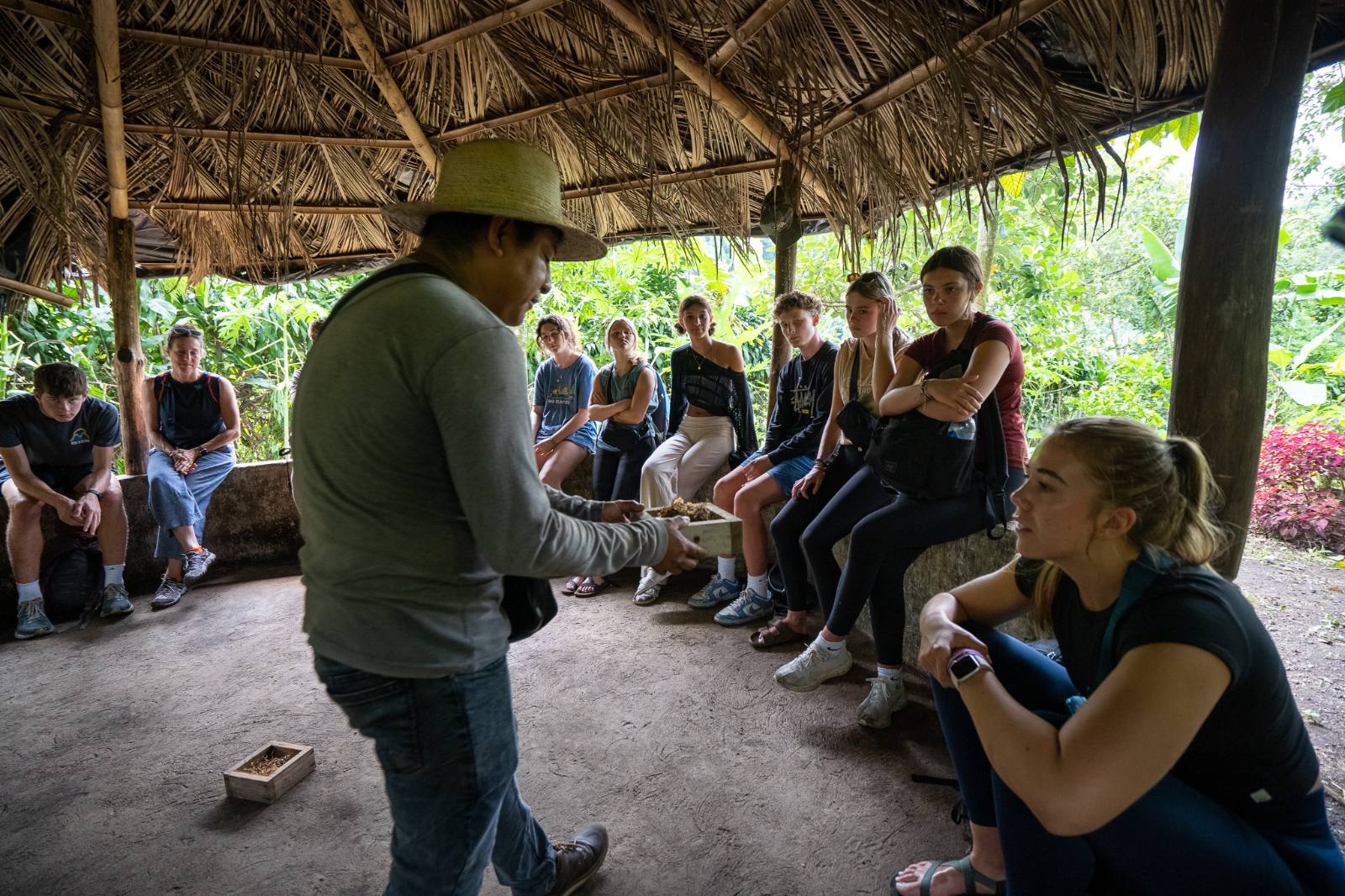
A local leader teaching a student group in the field
1,000+
learners in the field
10+
years operating in-country
$50K+
raised for partner organizations
How a Somos program is built

Every expedition is built around a confirmed community partner

Environmental conservation

Reforestation, watershed restoration, regenerative agriculture, and indigenous ecological knowledge.

Environmental science · biology · earth science
UN SDGs 13, 15
Community education

Grassroots education access, youth mentorship, bilingual and indigenous language programs, and women's cooperatives.

Global studies · Spanish immersion · leadership
UN SDGs 4, 5, 10
Cultural rights and inclusion

Language preservation, traditional knowledge systems, artisan cooperatives, land rights, and community governance.

Global studies · social studies · human rights
UN SDGs 10, 16, 17
Pre-departure curriculum preparation Daily facilitated reflection and debrief Post-program assessment tools
Country 01 · 3 expeditions

Guatemala

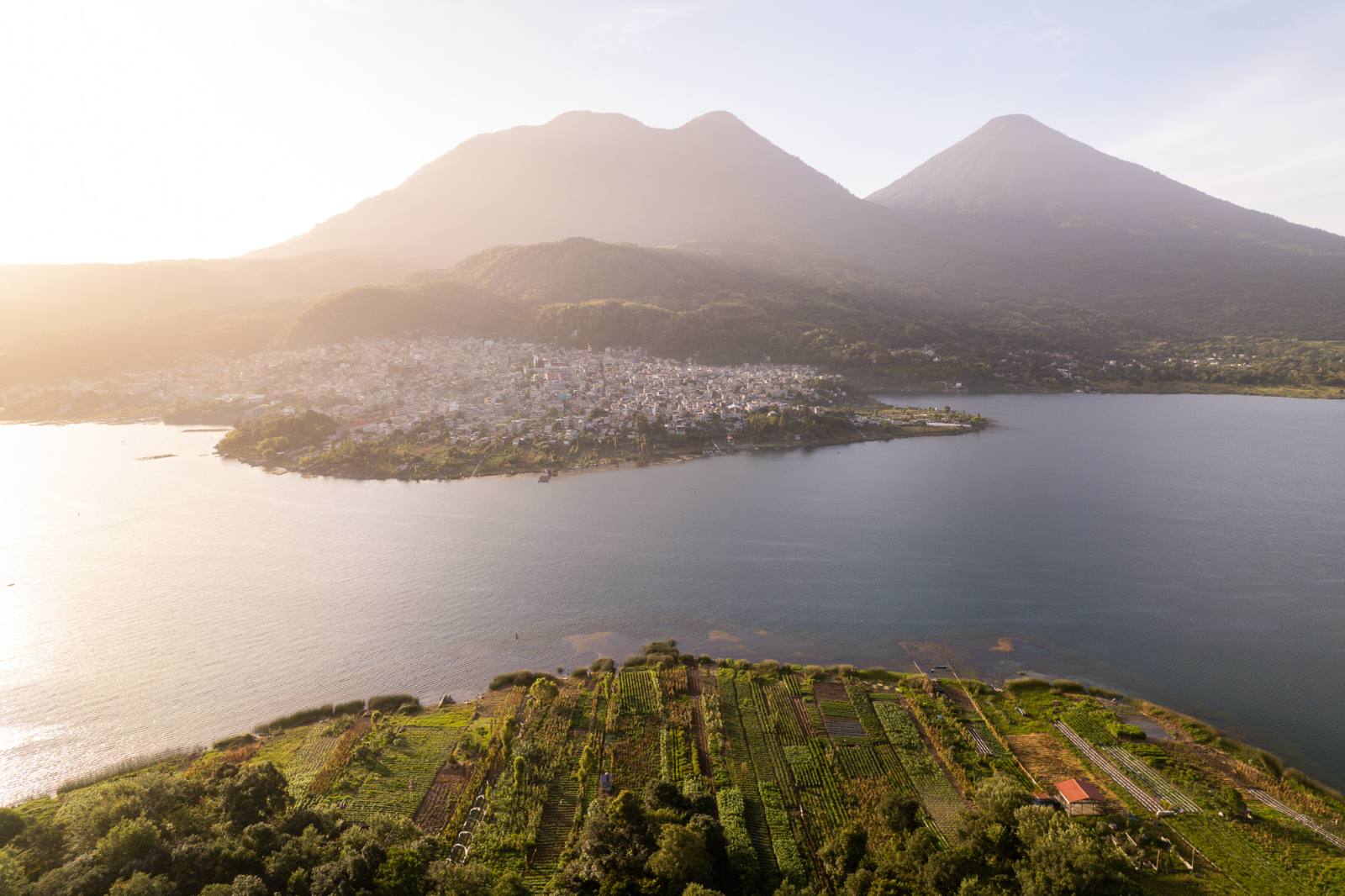
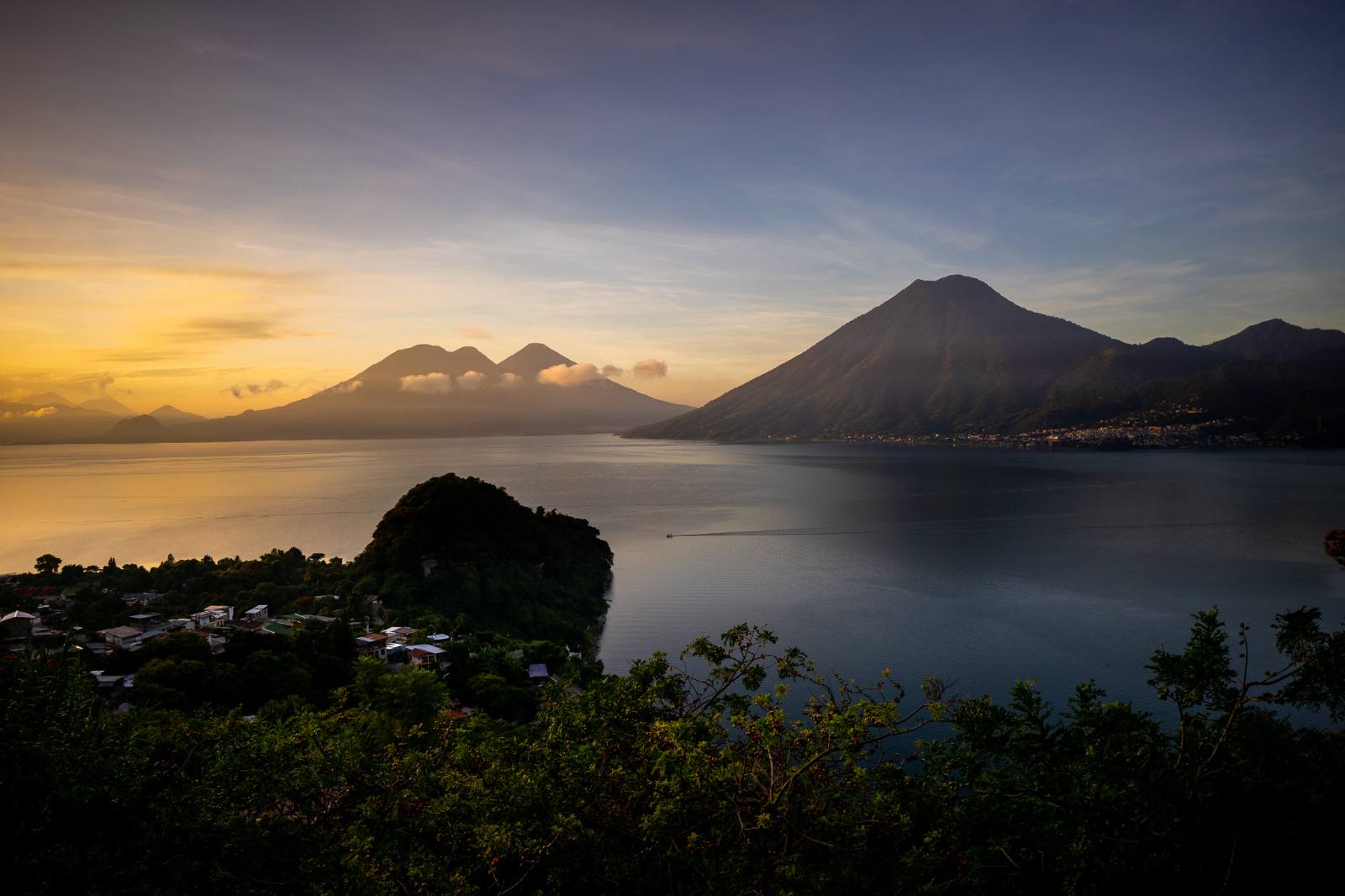
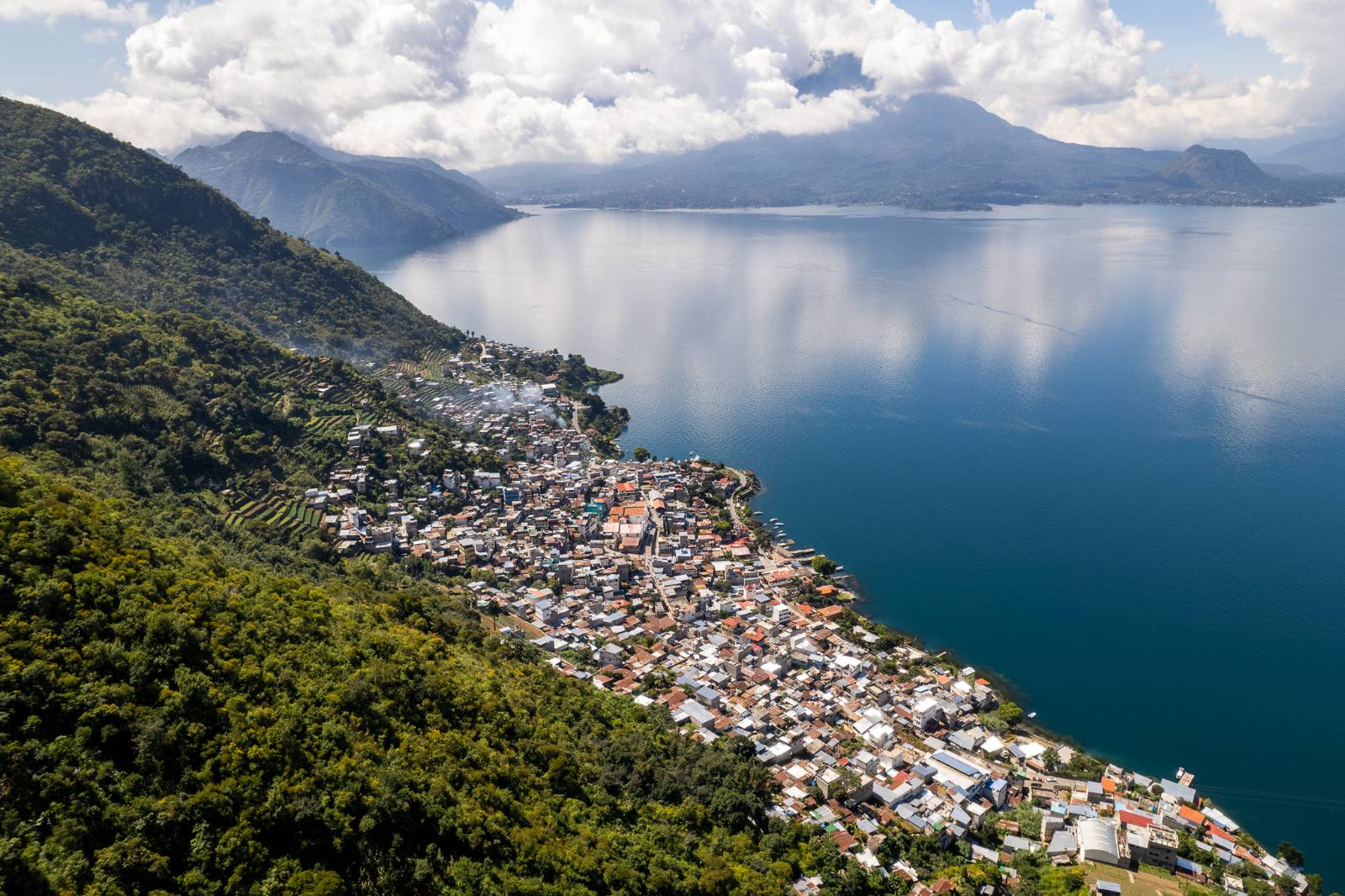
Twenty-two Maya languages are spoken in a country the size of Tennessee. Three volcanoes stand over Lake Atitlán, and the towns around its shoreline run their own weaving cooperatives, water filtration programs, and reforestation nurseries.

Our co-founder was born and raised on the lake. Our longest-running partner, Wellkind Guatemala, has planted more than 200,000 trees with fifteen indigenous communities.

Lake Atitlán at sunrise, volcanoes behind the shoreline towns Weaving cooperative, San Juan La Laguna A local guide with a student group
Green terraces above Lake Atitlán
Guatemala 9 days

Roots, Resilience & the Living Highlands

Colonial Antigua and the volcanic basin of Lake Atitlán, anchoring in Tzununa and the Maya town of San Juan La Laguna. Students use Spanish daily in coffee fields, weaving cooperatives, and homestays, working alongside Wellkind Guatemala and the Maya farmers of Quixaya.

View the full itinerary→
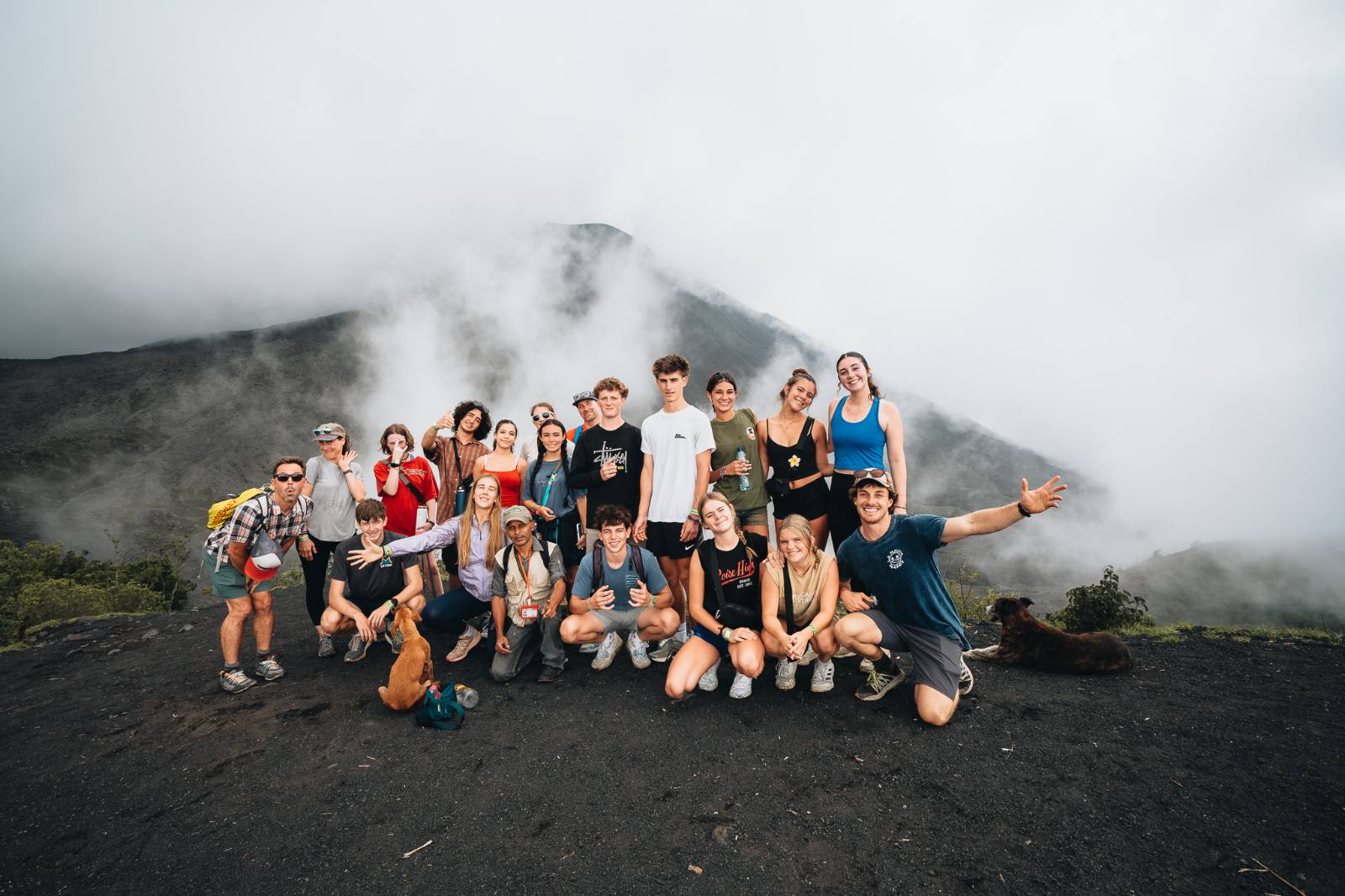
The group on a volcanic crater ridgeline
Guatemala 9 days

Ash, Roots & the Pacific Edge

Three distinct ecosystems: the colonial streets of Antigua, the volcanic lake basin of Atitlán, and the black-sand Pacific coast at El Paredón. Students work with Wellkind Guatemala and the Quixaya farmers before continuing to the coast.

View the full itinerary→
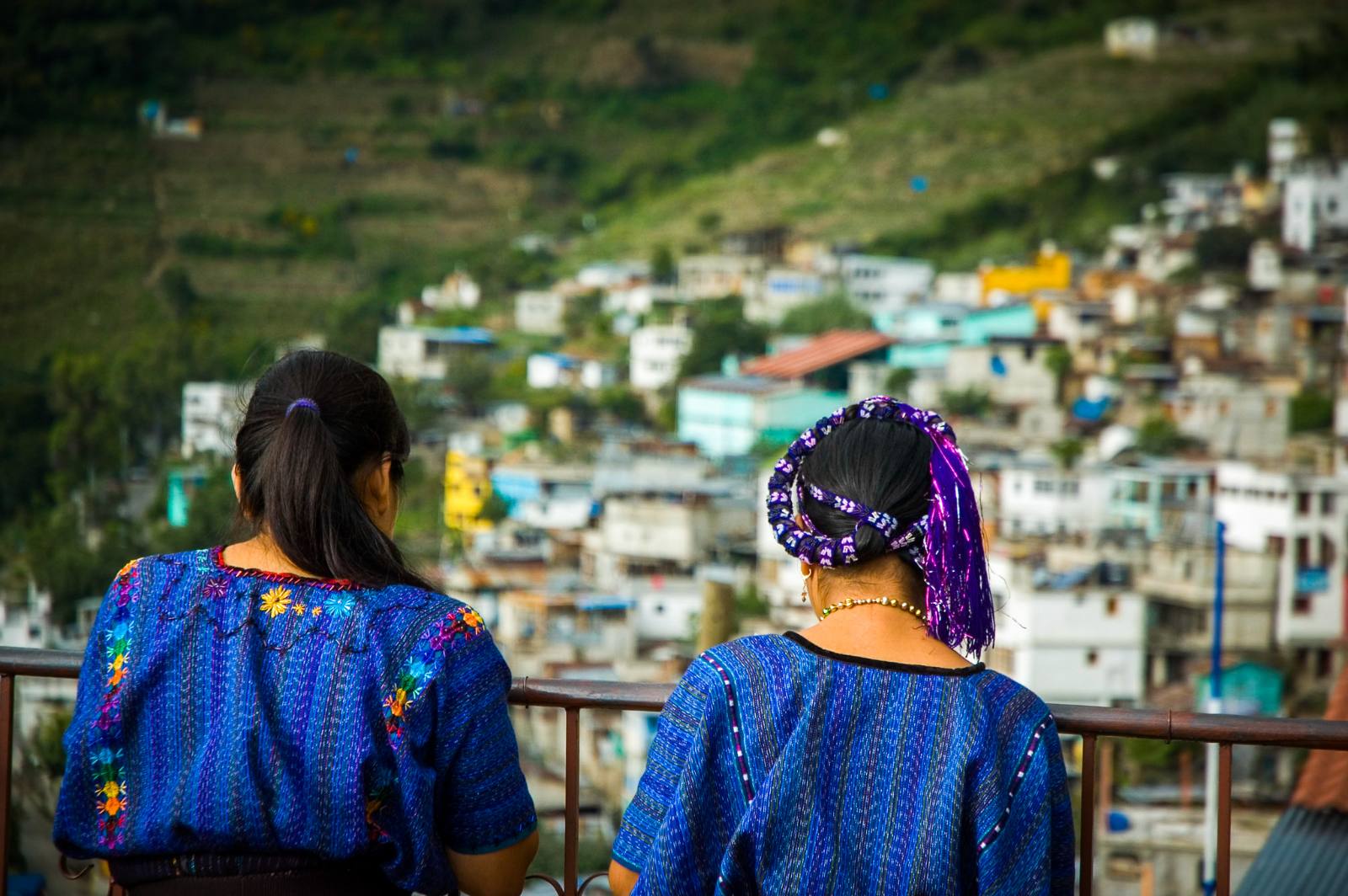
Women's cooperative above the lake
Guatemala 9 days

Women, Land & Community in Guatemala

Women's leadership across Guatemala, from the resistance history of Antigua to the weaving cooperatives and reforestation nurseries of Lake Atitlán, with Wellkind's water filtration and land stewardship programs in the Kaqchikel Maya communities of the lake basin.

View the full itinerary→
Country 02 · 3 expeditions

Belize

Cloud-covered ridgelines in the Maya Mountains, karst caves under the Cayo District, and the largest barrier reef in the northern hemisphere — all within a four-hour drive.

Belize is our field-station country. Programs are hosted inside working research stations where resident biologists run bird, bat, manatee, and reef monitoring, and students collect data alongside them. English is the national language, which lowers the barrier for first-time travelling groups.

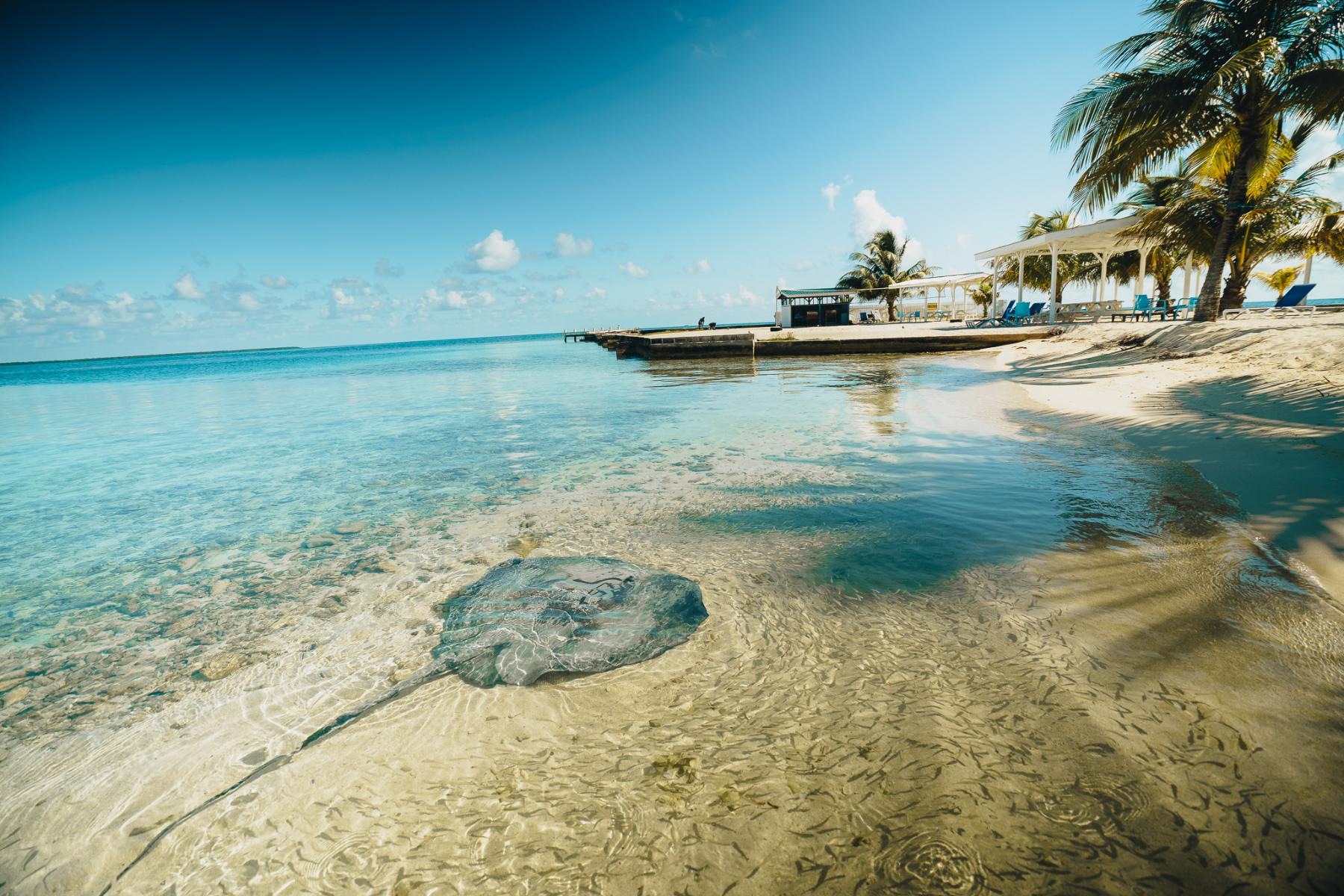
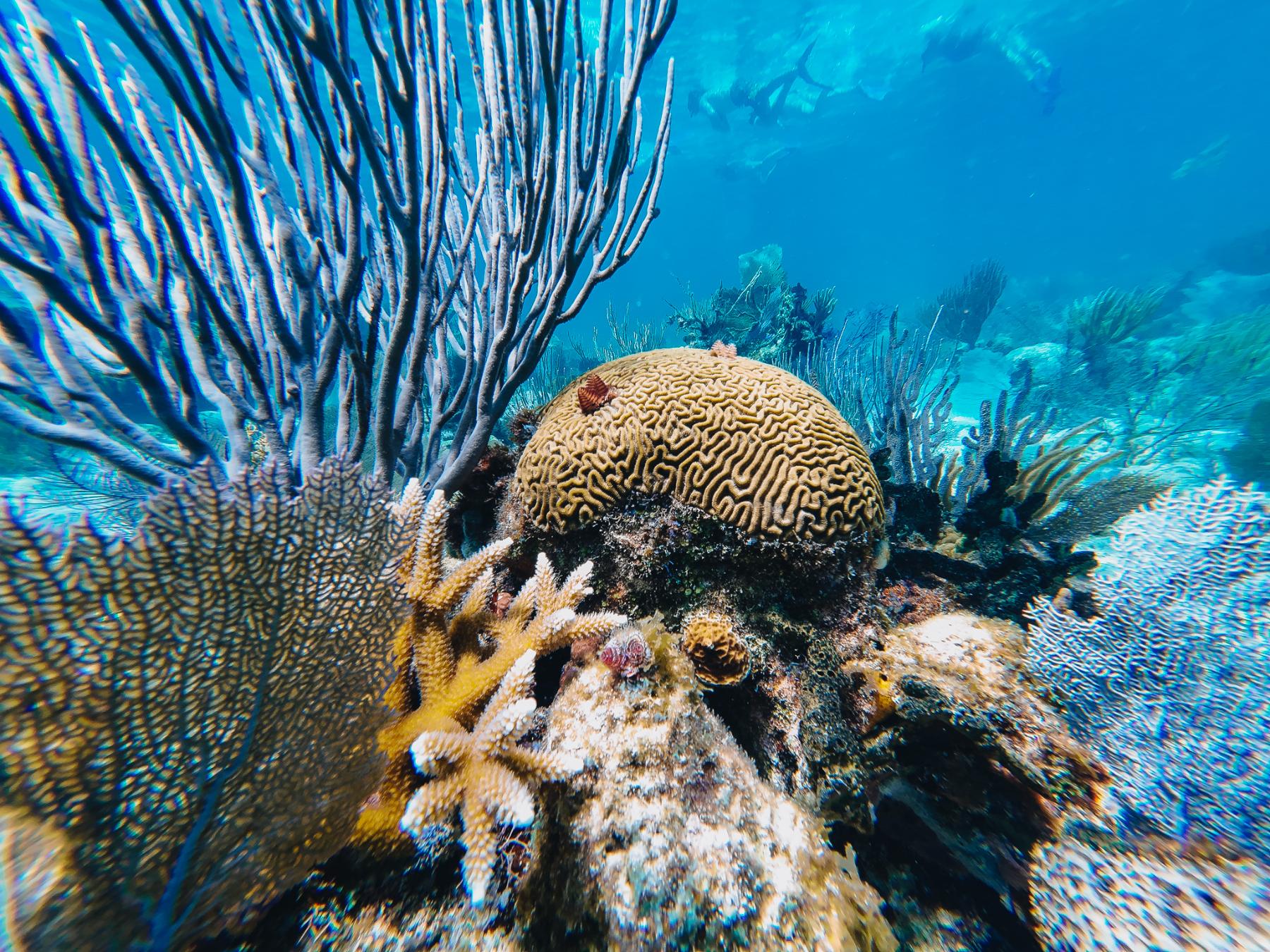
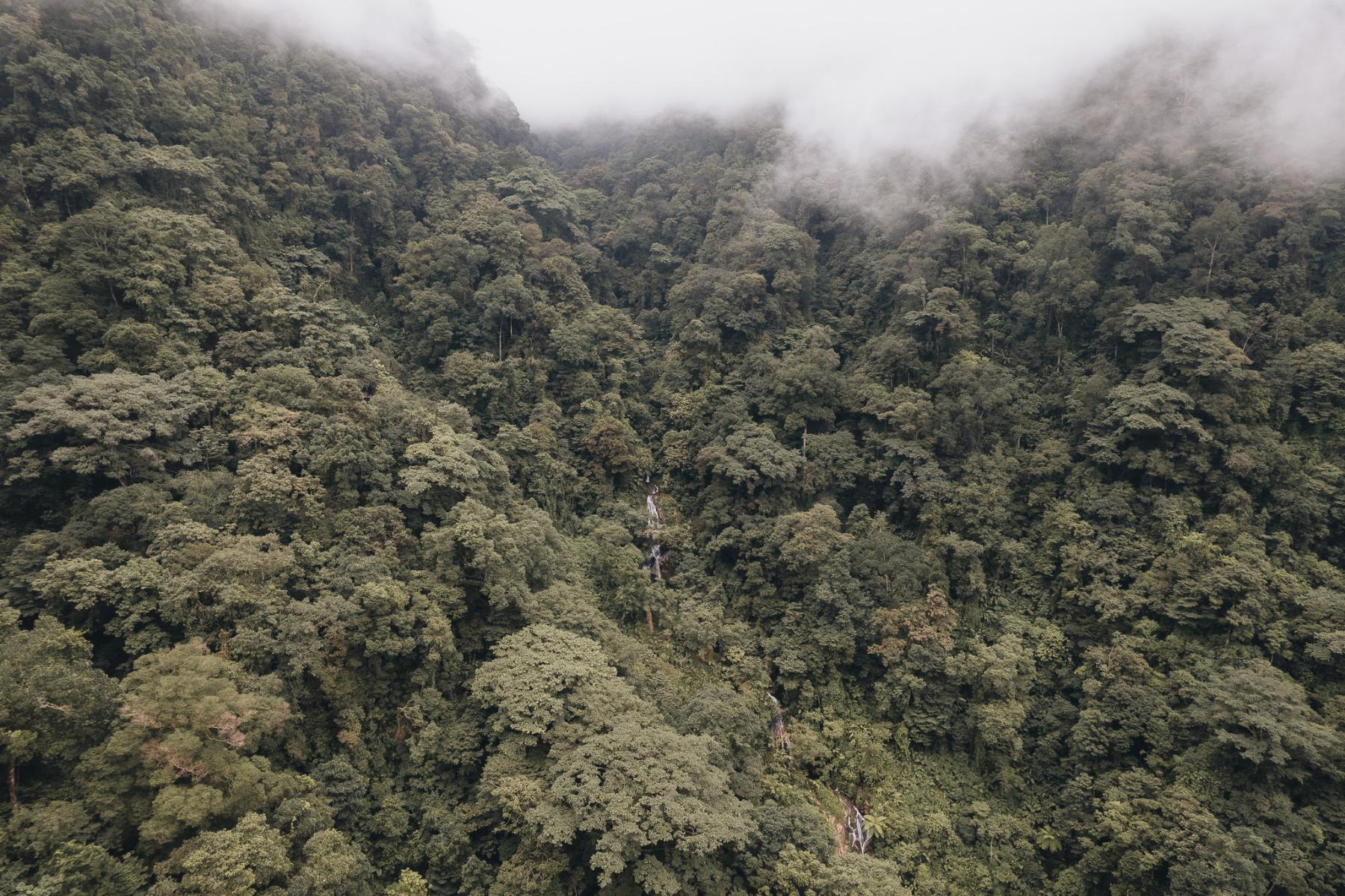
The caye shoreline Coral on the barrier reef Cloud forest in the Maya Mountains
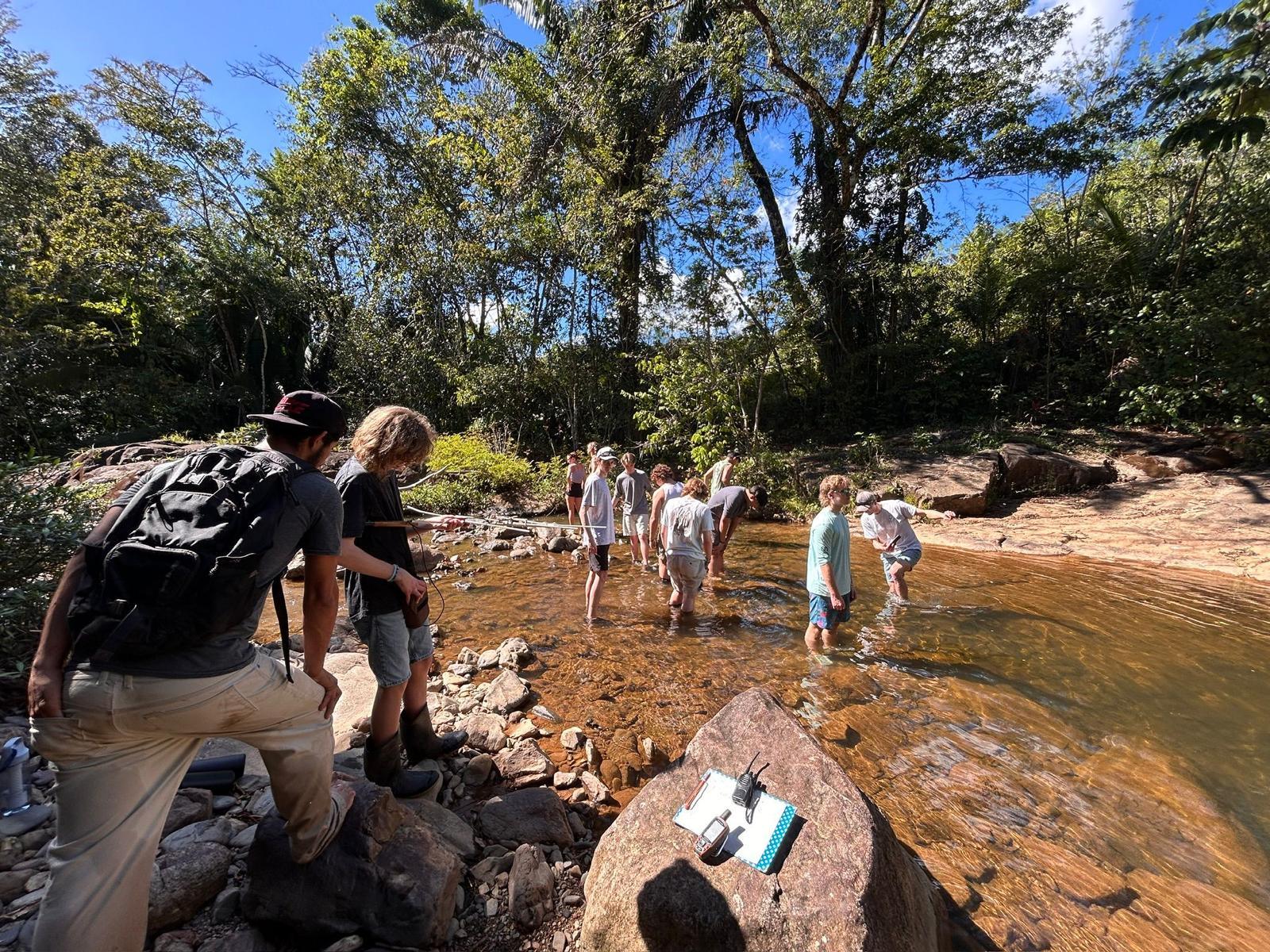
Students sampling the creek
Belize

Creek to Coral

Two working research stations, from the cloud-covered ridgelines of the Maya Mountains to a small island in South Water Caye Marine Reserve.

View the full itinerary→
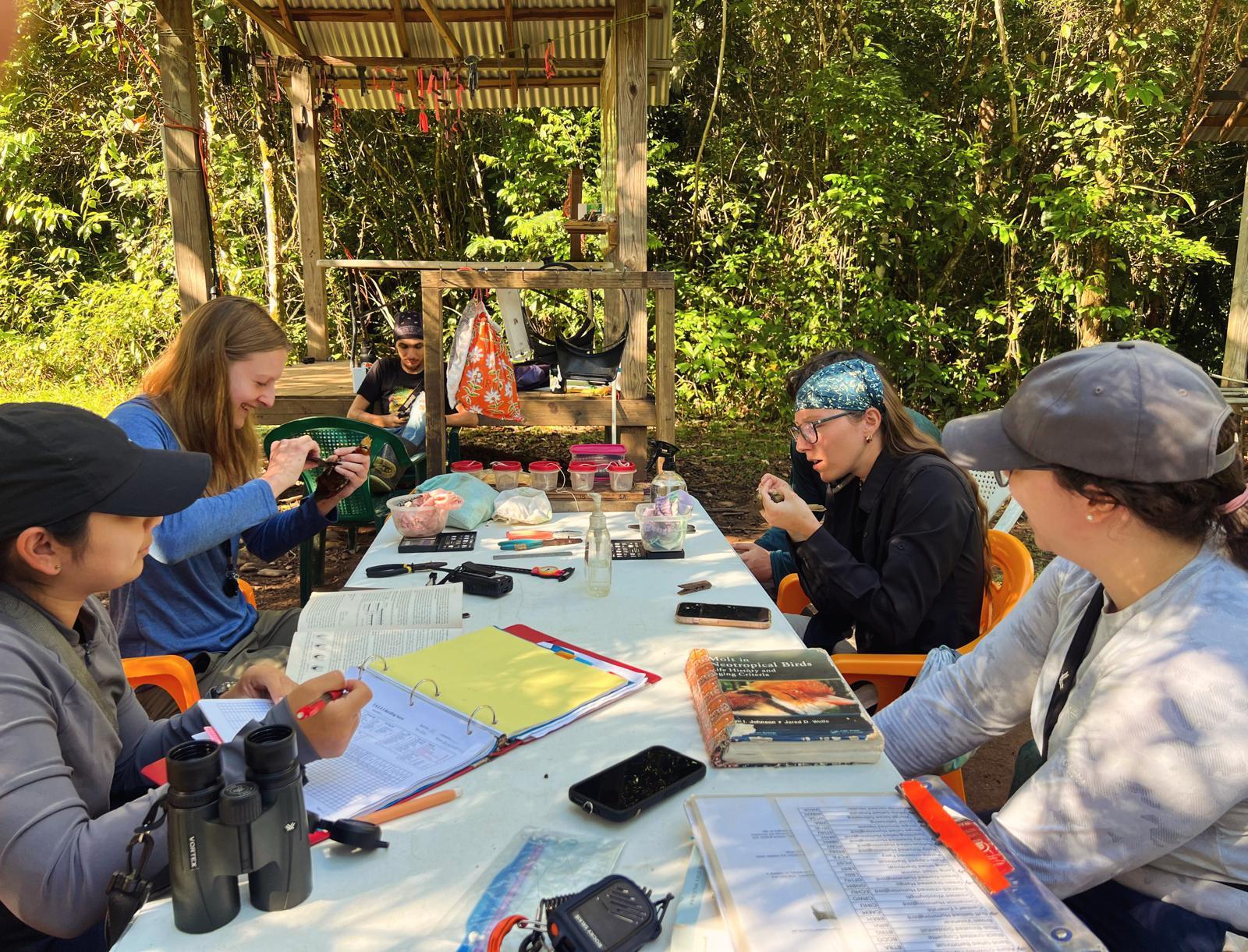
Bird banding at T.R.E.E.S.
Belize 9 days

Canopy & Cave

Split between T.R.E.E.S., a field station where resident biologists run bird and bat research, and the karst terrain of the Cayo District — from a national park built around a collapsed cave system to an underground Maya ceremonial site.

View the full itinerary→
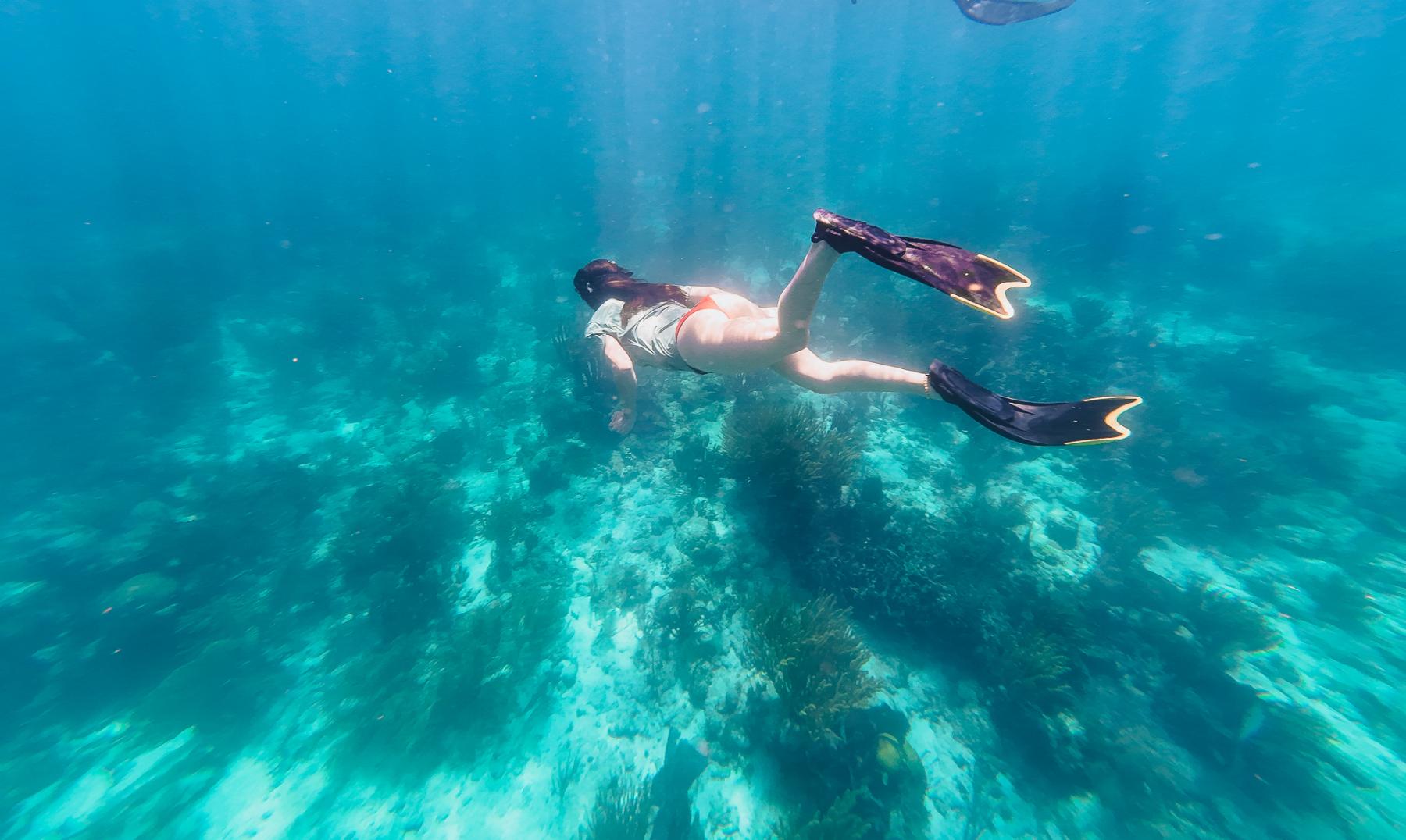
Snorkelling the barrier reef
Belize

Mangroves, Reef & the Coast

Two working coastlines: three days in Sarteneja, a fishing village on Corozal Bay, then an island economy built on reef tourism. Students plant mangroves, monitor manatees with Wildtracks rangers, and snorkel Hol Chan Marine Reserve.

View the full itinerary→
Country 03 · 3 expeditions

Peru

Amazon lowland to 4,600-metre pass in a single itinerary. Madre de Dios holds some of the highest measured biodiversity on earth; six hundred kilometres west, Incan terraces and salt pans are still worked by the families who inherited them.

Programs pair hard science at the Los Amigos Conservation Hub with cultural and economic inquiry in Cusco and the Sacred Valley: weaving cooperatives, communally managed salt mines, and Quechua farming communities that host students overnight.

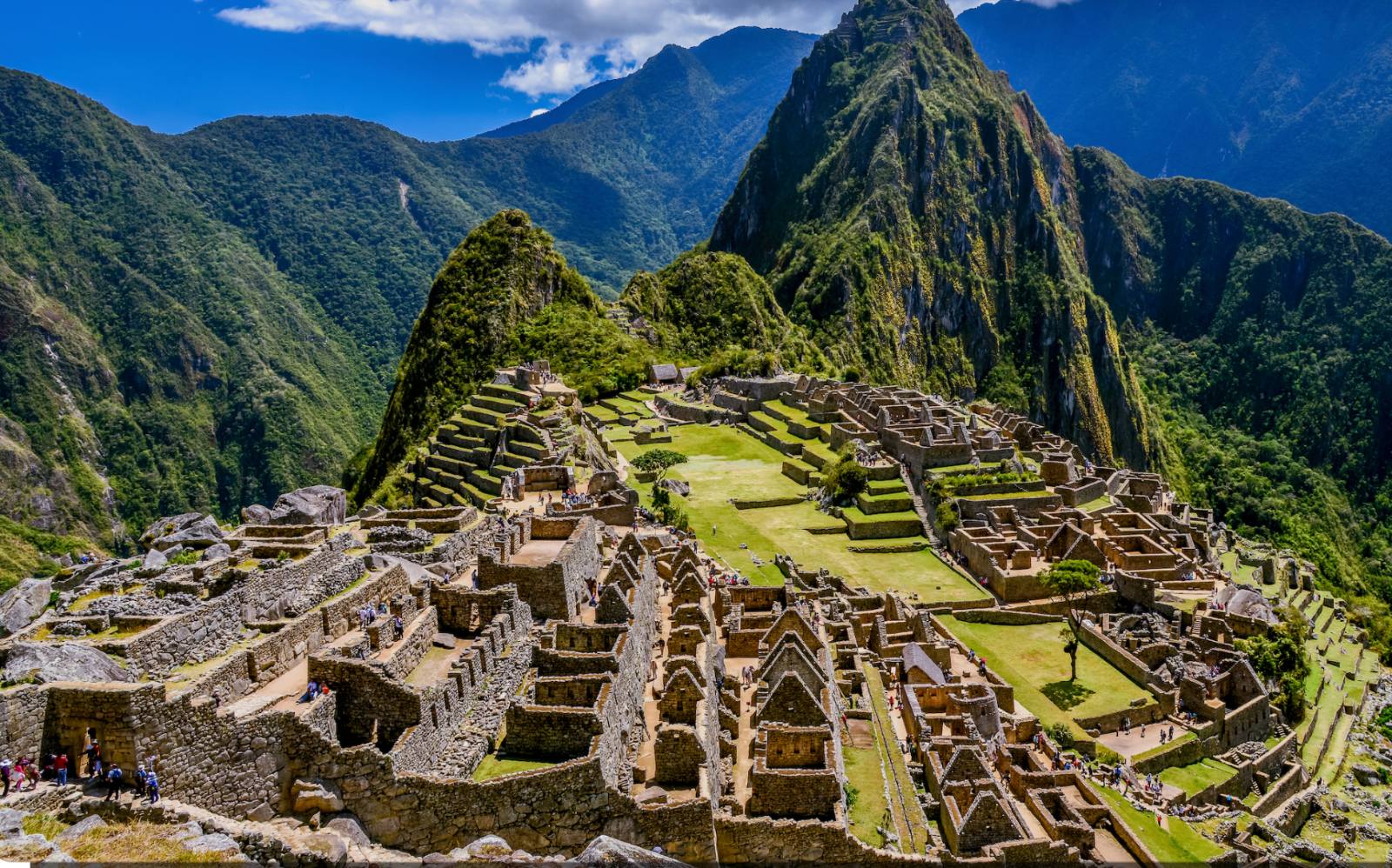
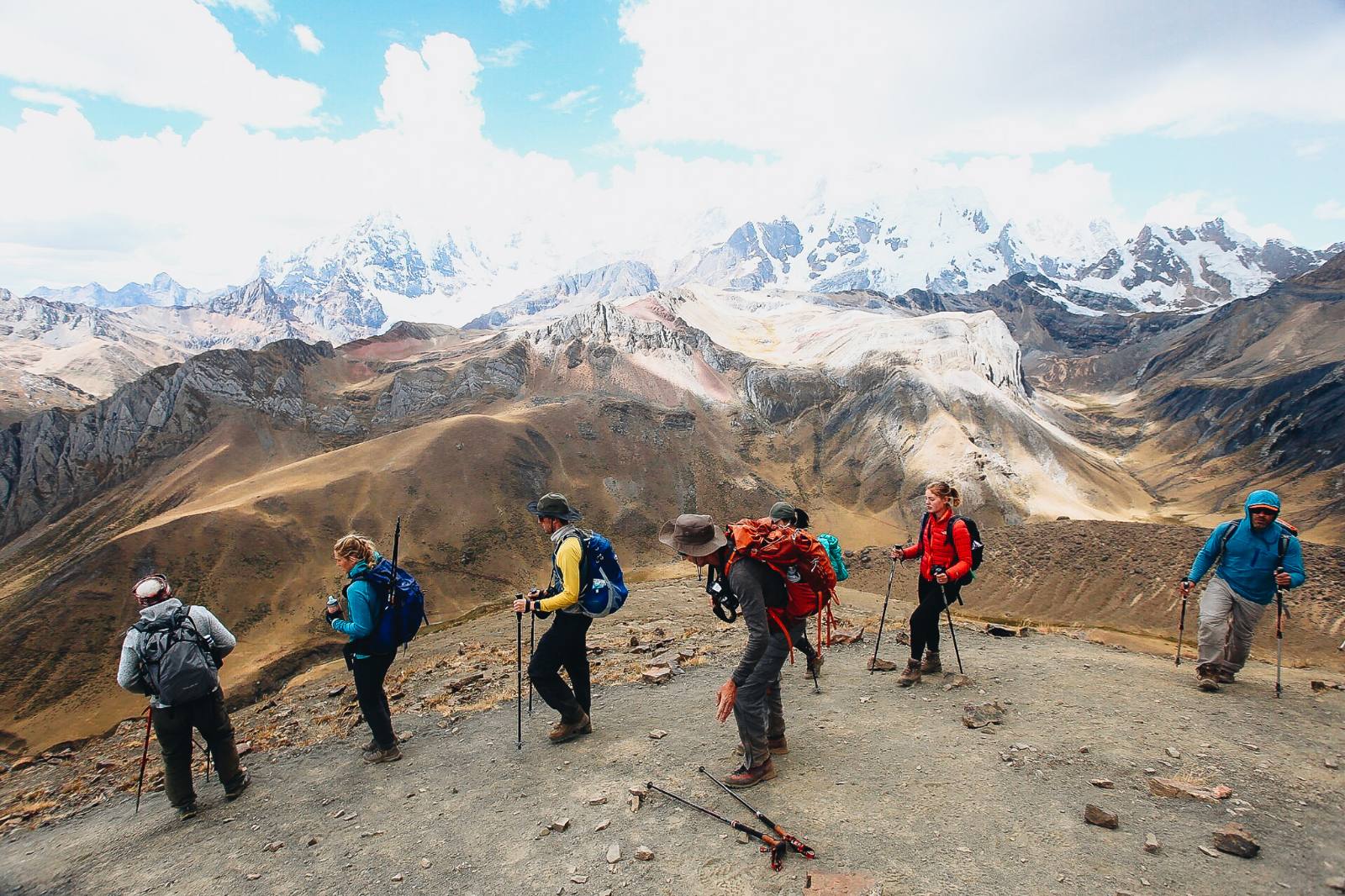
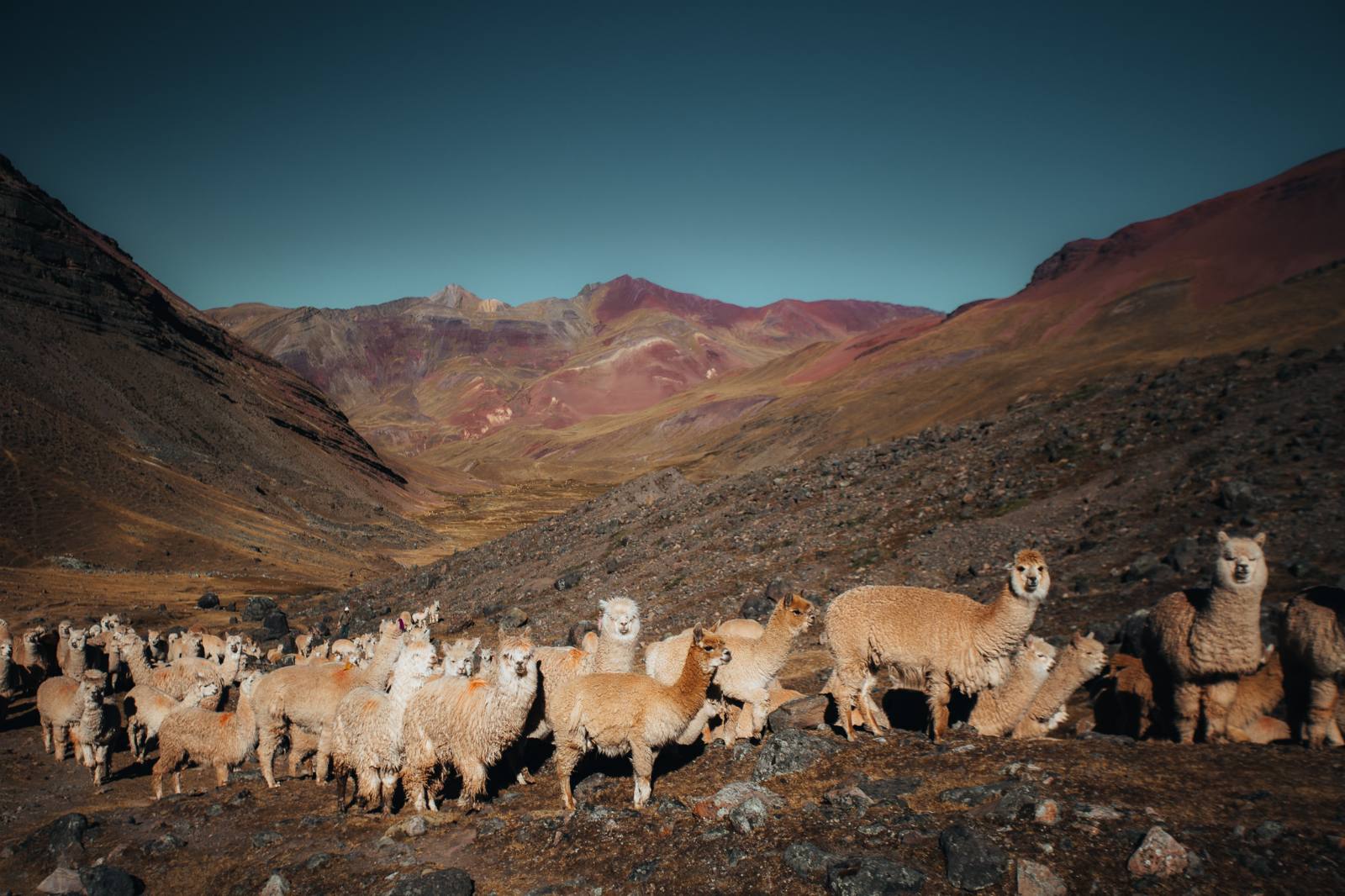
Machu Picchu Trekkers below the snow line Alpaca herd in the high valley
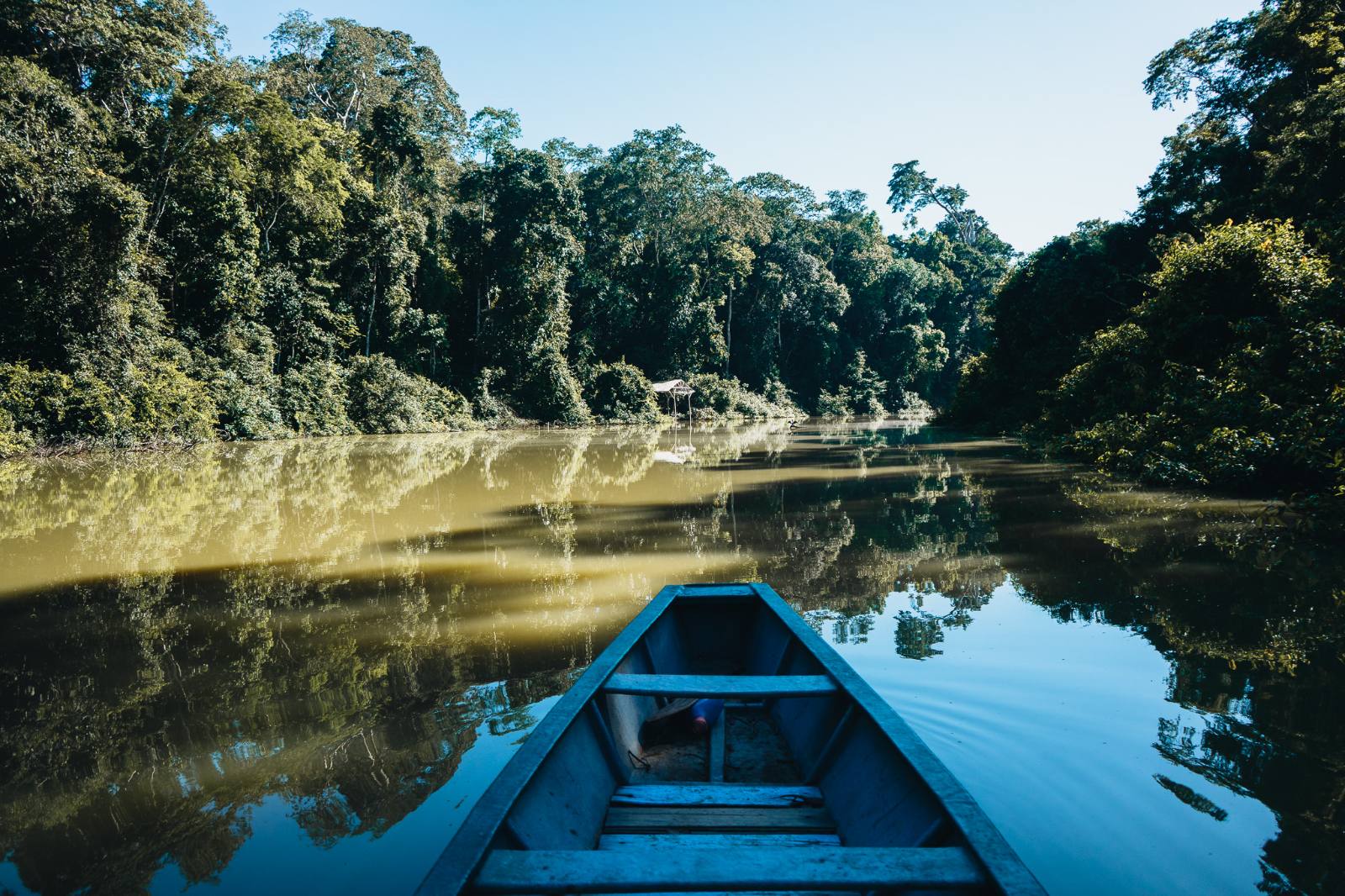
Canoe on the river, Madre de Dios
Peru 9 days

Layers: Amazon, Andes & the Living City

Four days embedded in active field research at Los Amigos Conservation Hub in Madre de Dios, then Cusco and the Sacred Valley to study Incan engineering and trade economies still running today.

View the full itinerary→
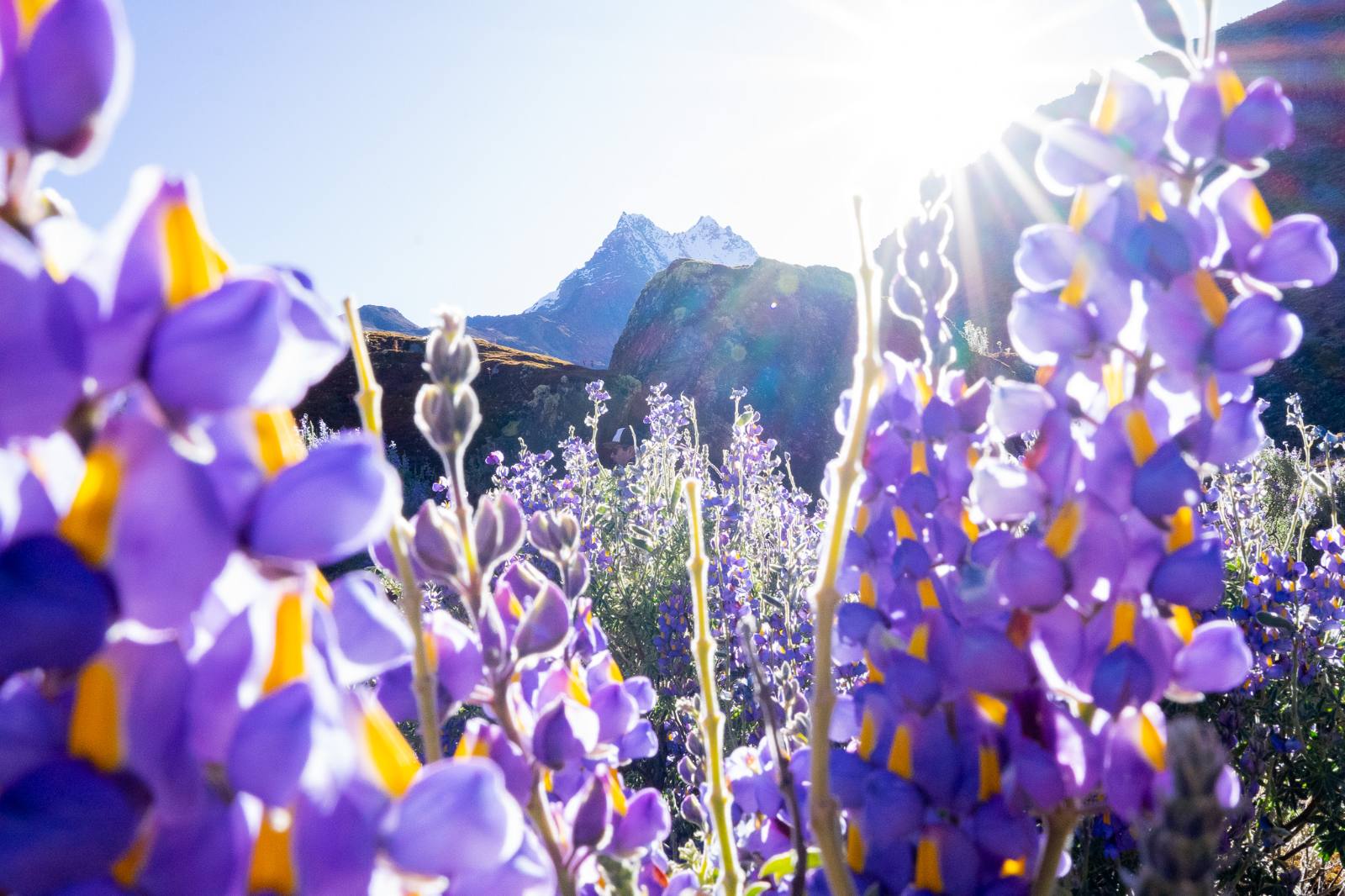
Lupines below the high pass
Peru 9 days

Salt, Stone, High Pass

Lima's diaspora neighborhoods, Cusco's Incan and colonial streets, and five days on the Salkantay Trail before finishing at Machu Picchu. The most physically demanding program we run.

View the full itinerary→
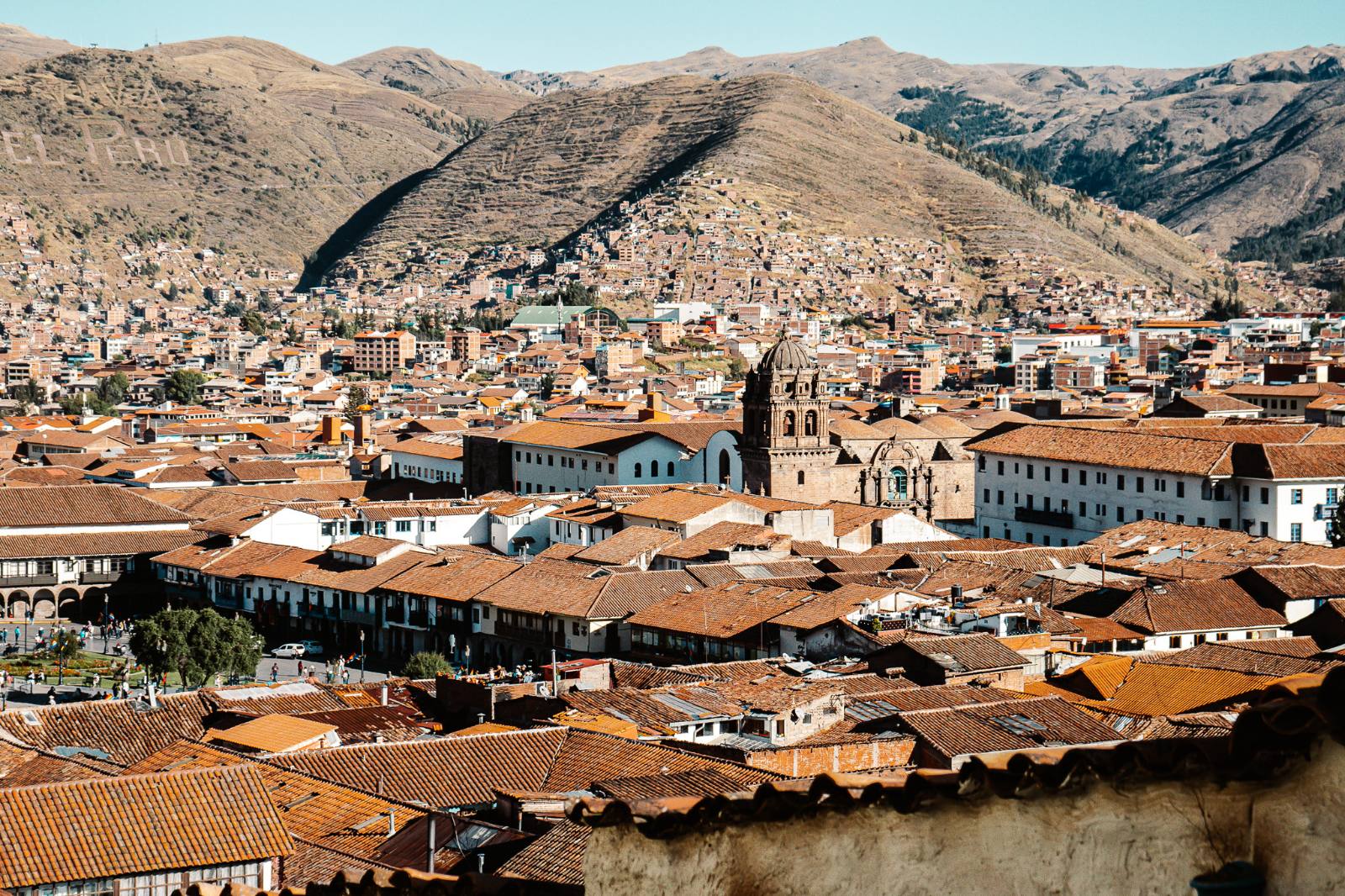
Cusco rooftops from above
Peru 9 days

Trade, Terraces & the Living Economies of the Sacred Valley

The trade infrastructure of the Inca empire from Sacsayhuamán and Qorikancha through the Sacred Valley to Machu Picchu, with the Patacancha weaving cooperative, the salt mines at Maras, and a Quechua farming family in Misminay.

View the full itinerary→
Country 04 · 2 expeditions

Costa Rica

A quarter of the country is protected land, and much of it is governed locally rather than nationally. That makes Costa Rica the clearest place we work to study how communities finance and administer conservation themselves.

In Monteverde, a public high school board manages a cloud forest reserve and reinvests entrance fees into the school. At Playa Coyote, night patrols relocate olive ridley nests. In Coope San Juan, a rural cooperative governs its own land, agriculture, and cultural programs — and hosts students in family homestays.

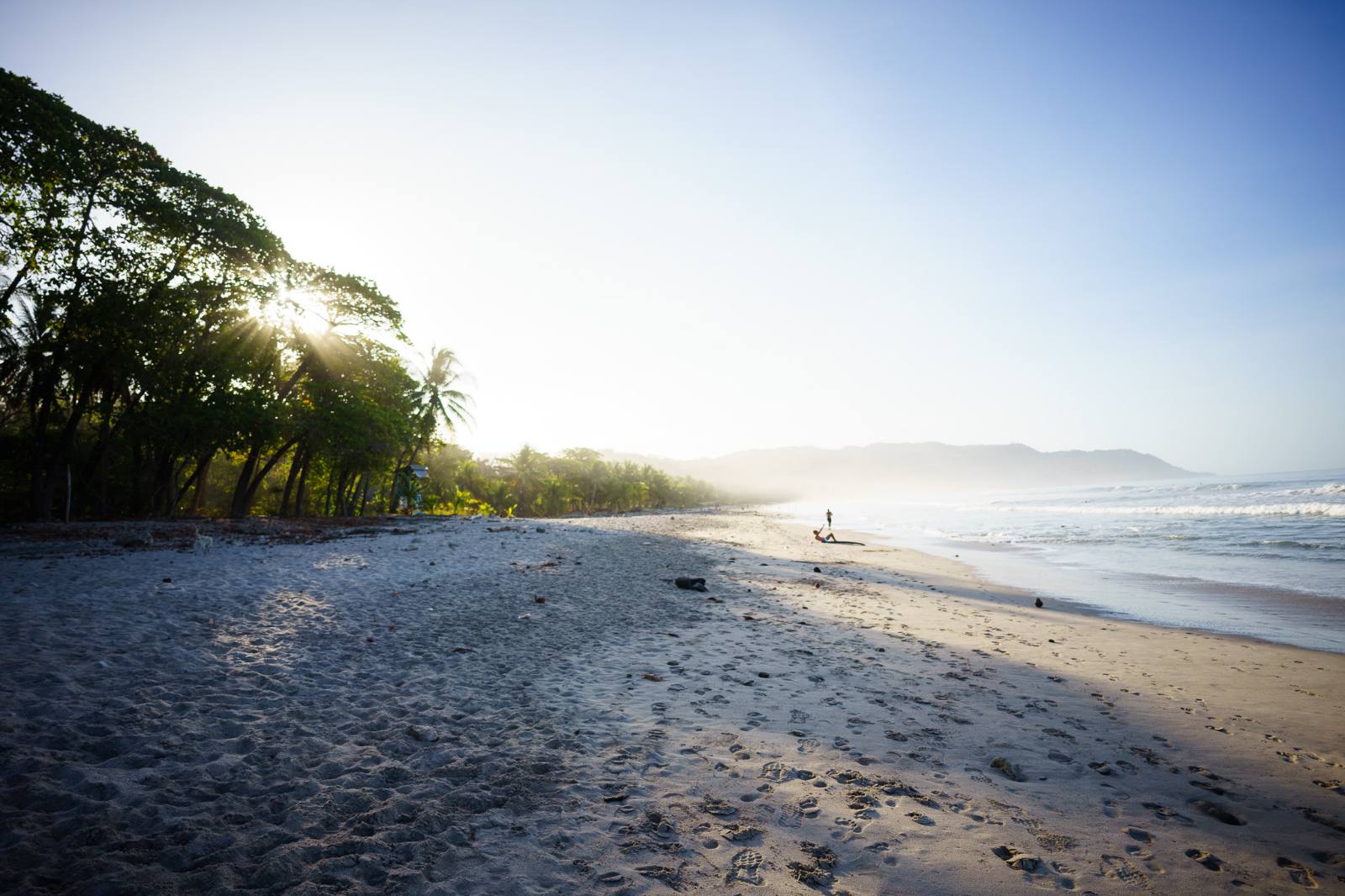
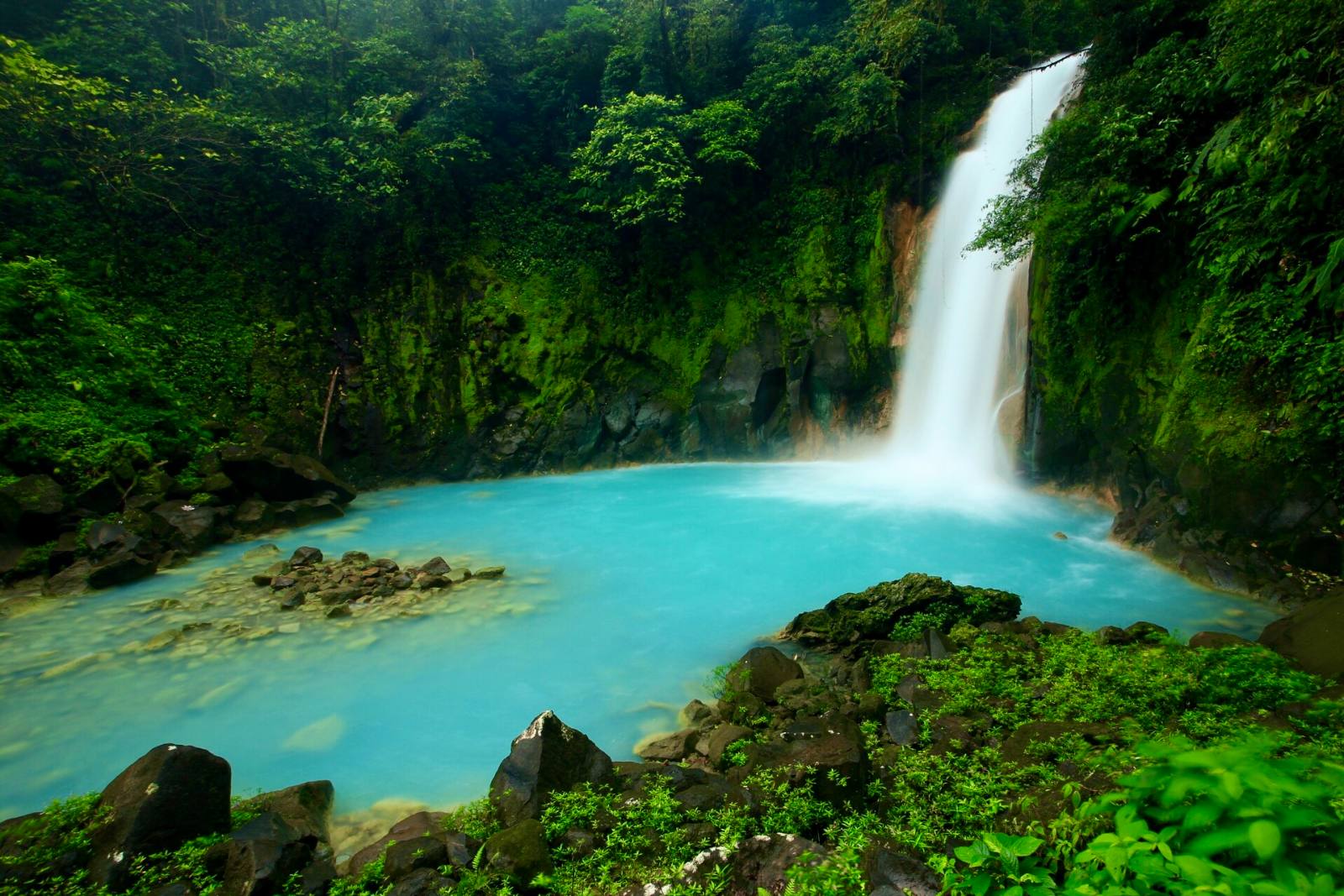
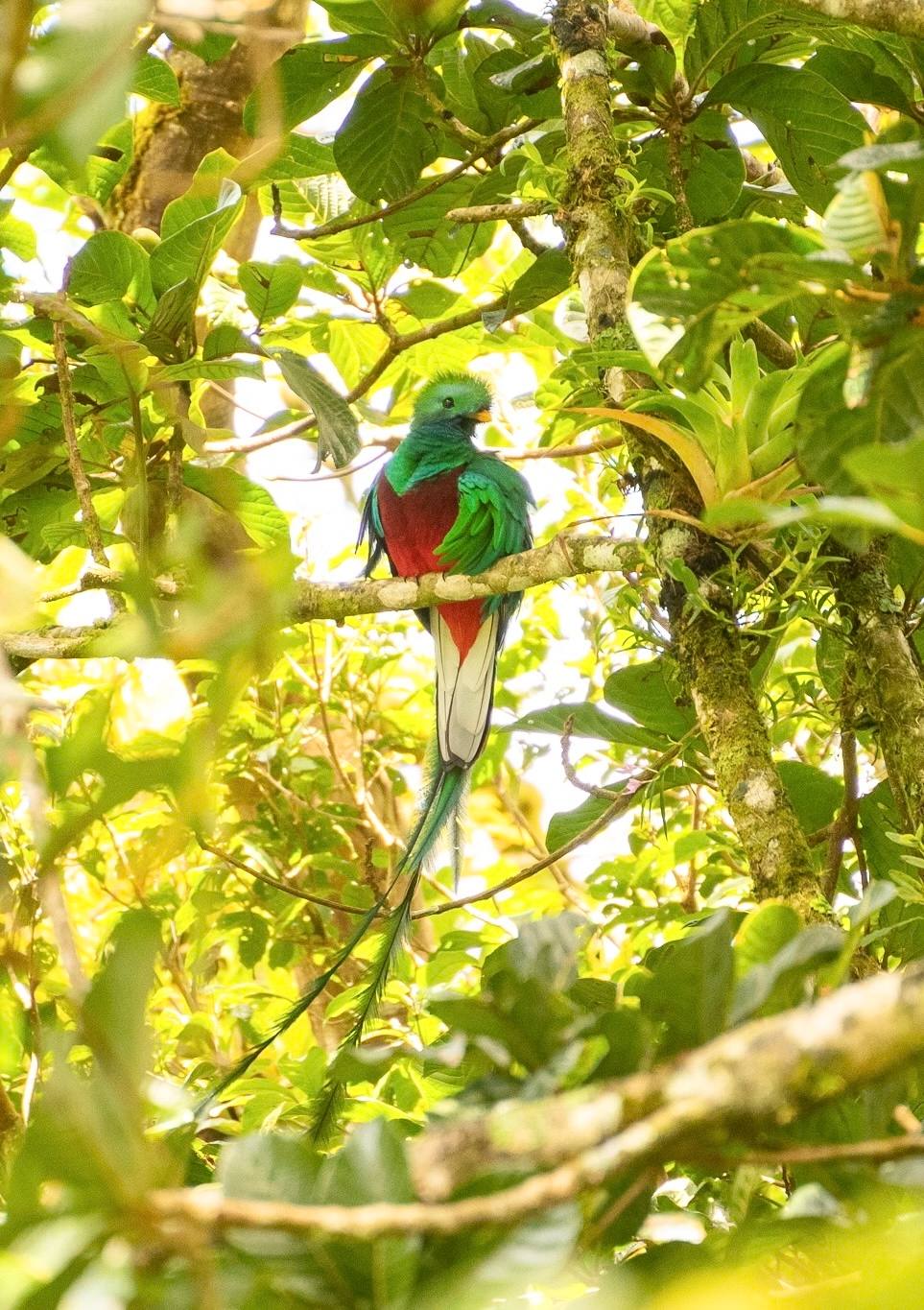
Río Celeste falls Resplendent quetzal, Monteverde The Nicoya coast at first light
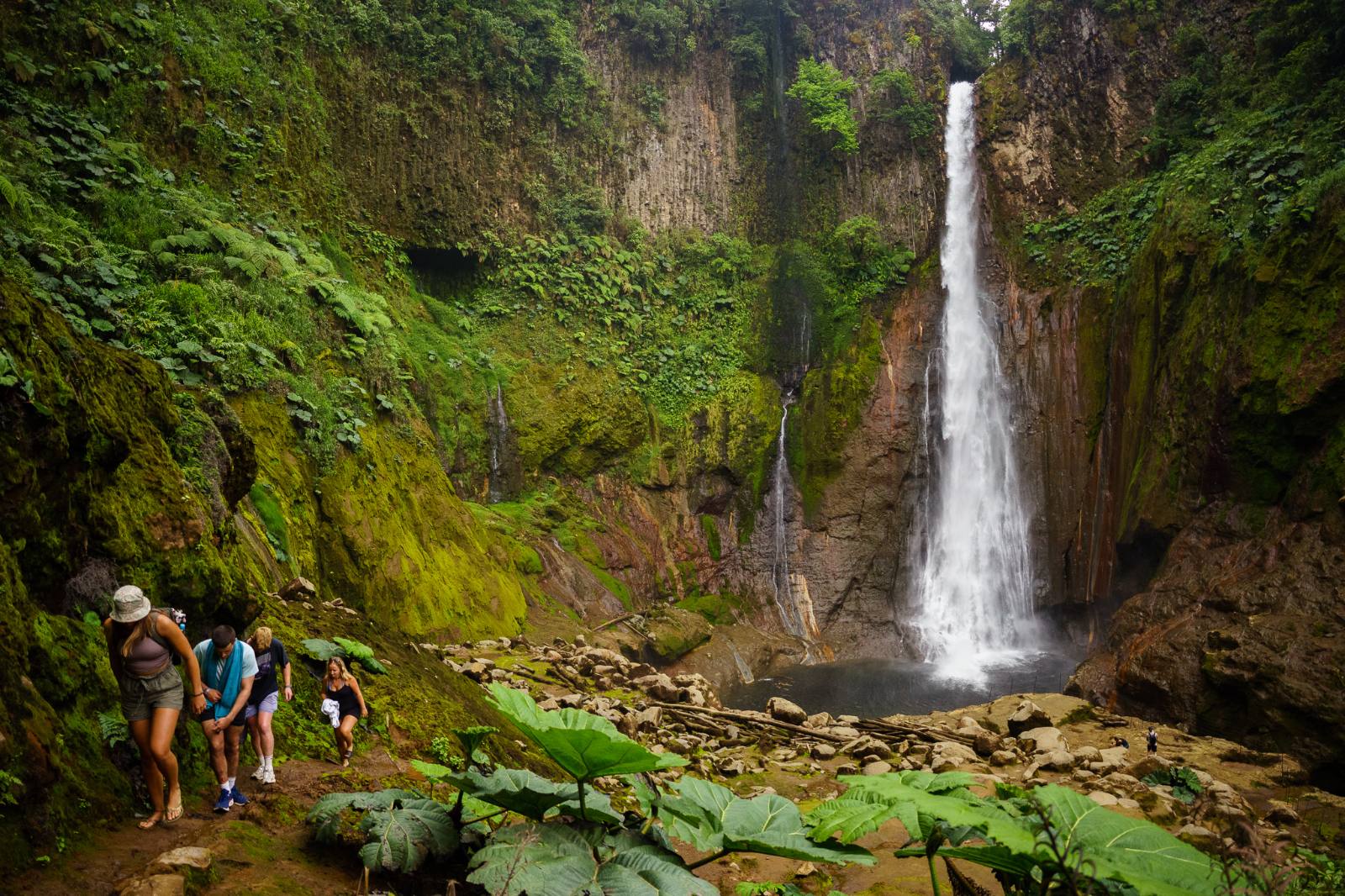
The group at a highland waterfall
Costa Rica

Waterfalls, Waves & Wonder

From the volcanic highlands to the Pacific edge of the Nicoya Peninsula. Three nights in homestays with the families of Coope San Juan, a rural cooperative that governs its own land and cultural programs, before continuing to Santa Teresa.

View the full itinerary→
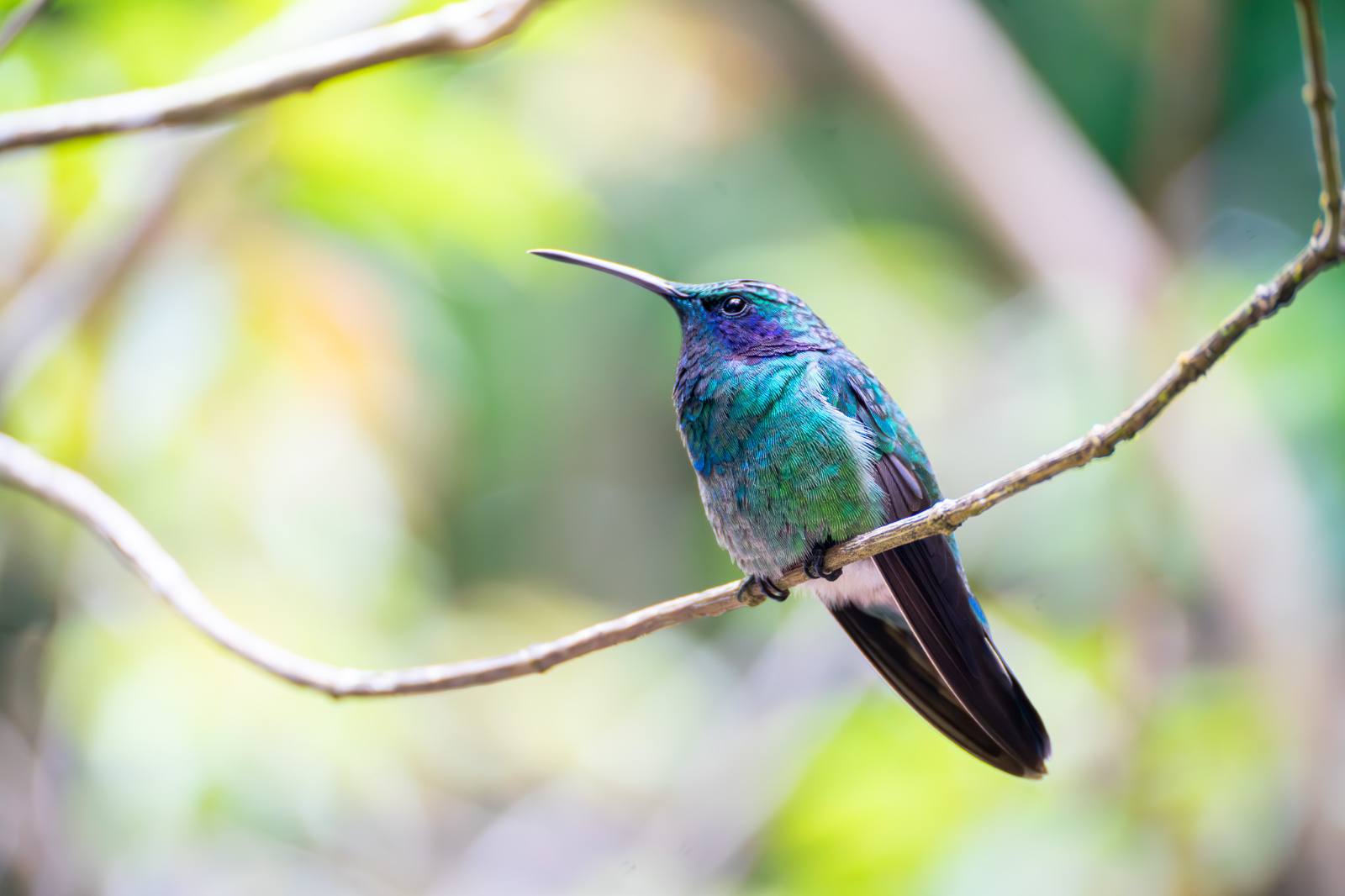
Hummingbird in the cloud forest
Costa Rica 9 days

Cloud Forest & Coast

Two conservation landscapes: the cloud forest of Monteverde, where a public high school board manages the reserve, and the olive ridley nesting beaches of Playa Coyote — three days in the highlands, four on the coast, with nest relocation on community night patrols.

View the full itinerary→
Country 05 · 1 expedition

Panama

Bocas del Toro is an archipelago where Afro-Caribbean fishing towns, Ngäbe-Buglé villages, coral reefs, and a fast-growing surf economy share the same handful of islands and the same water.

It is the sharpest place we work to ask what sustained repair looks like over the long term, because the pressures and the responses are both visible from the same boat.

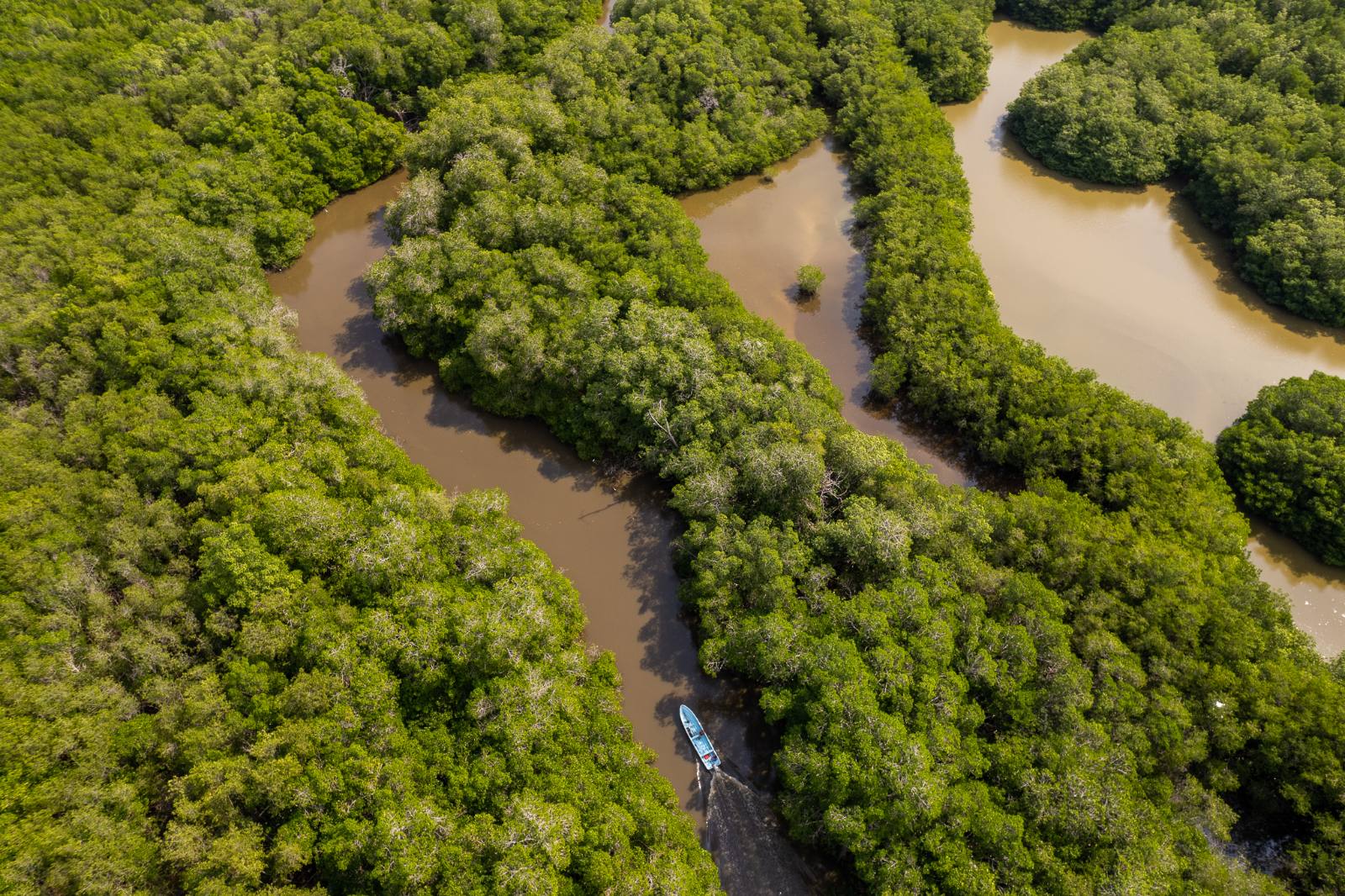
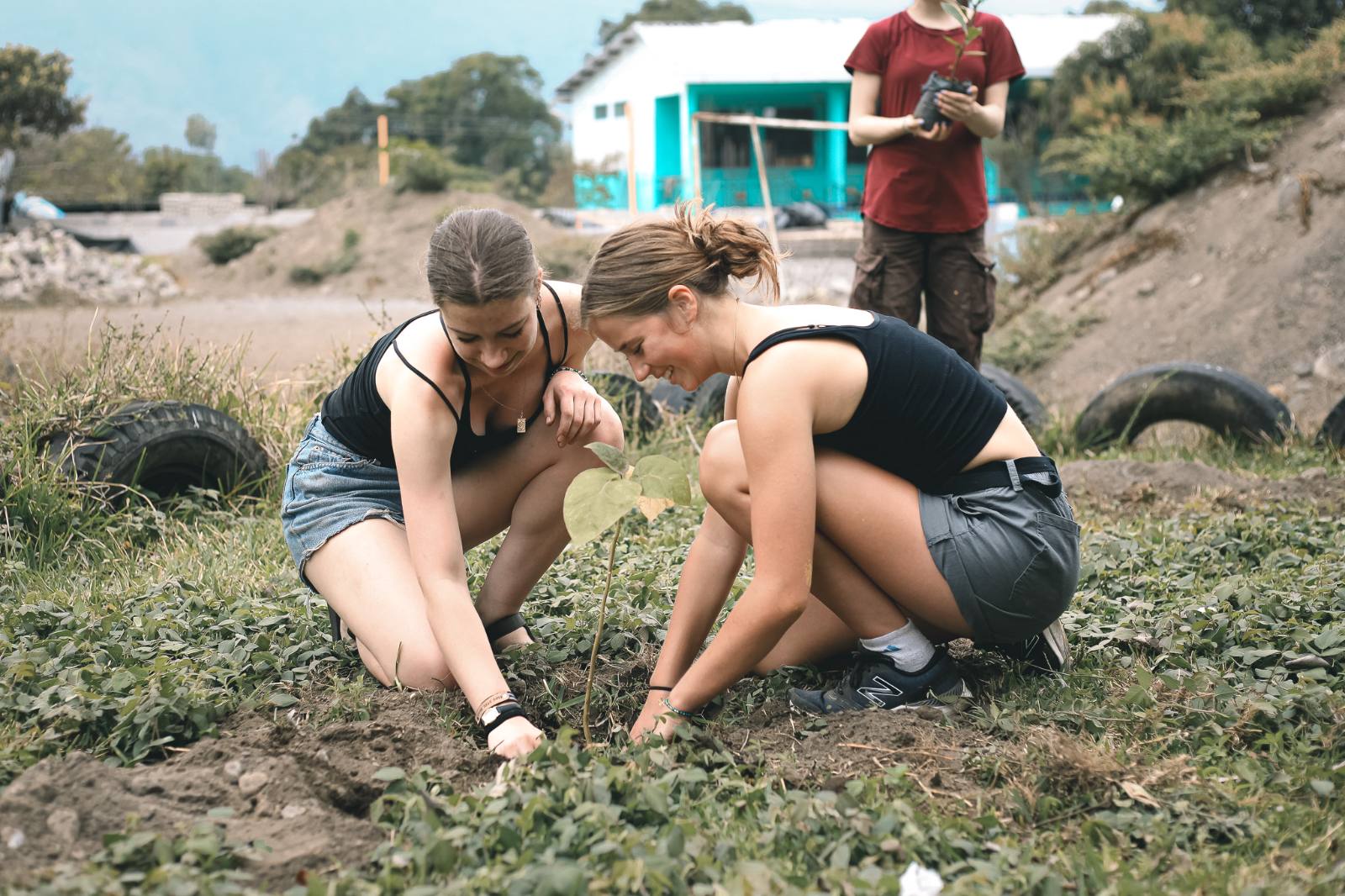
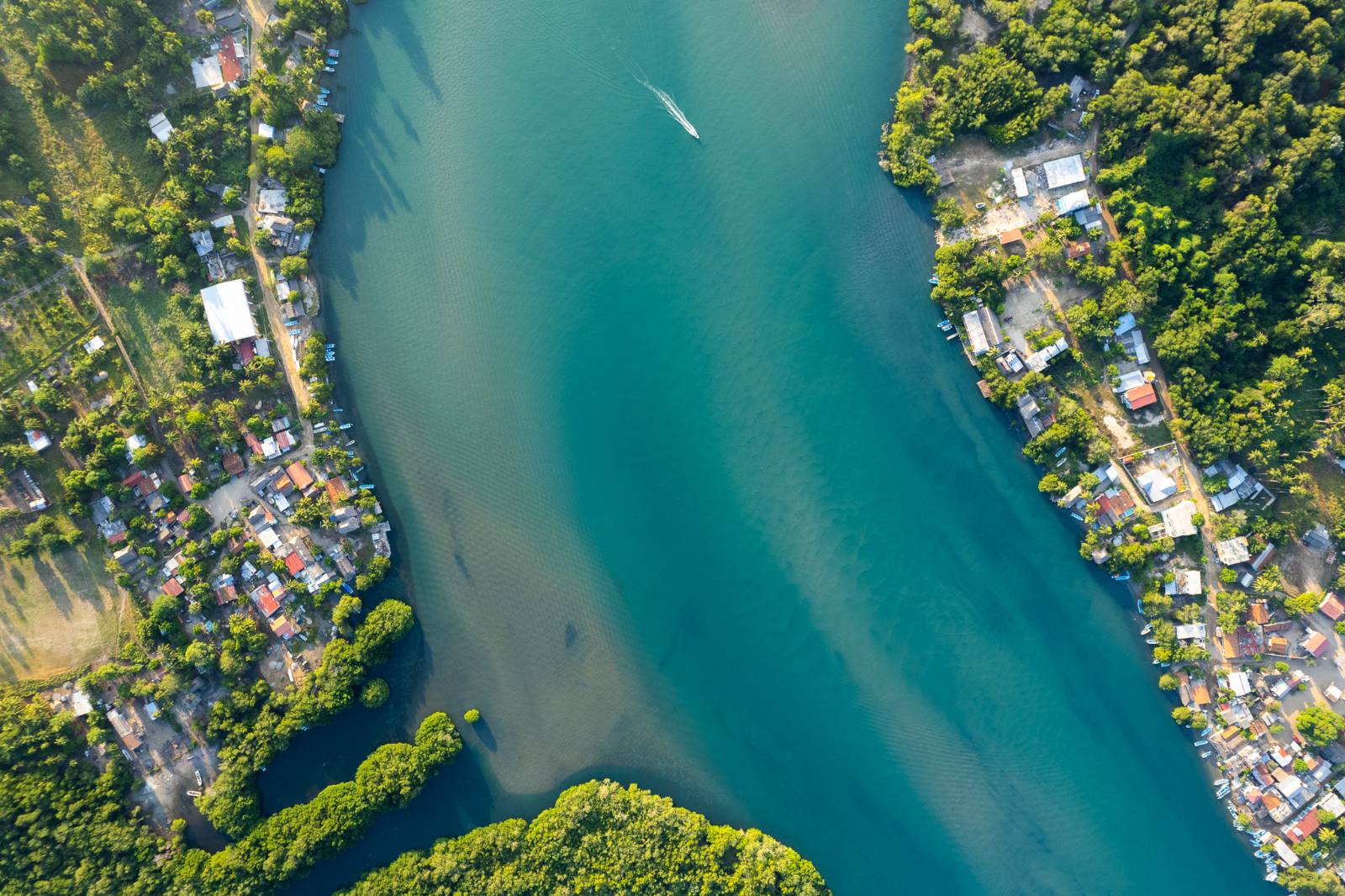
Mangrove channels from above Students planting with the partner team Village either side of the channel
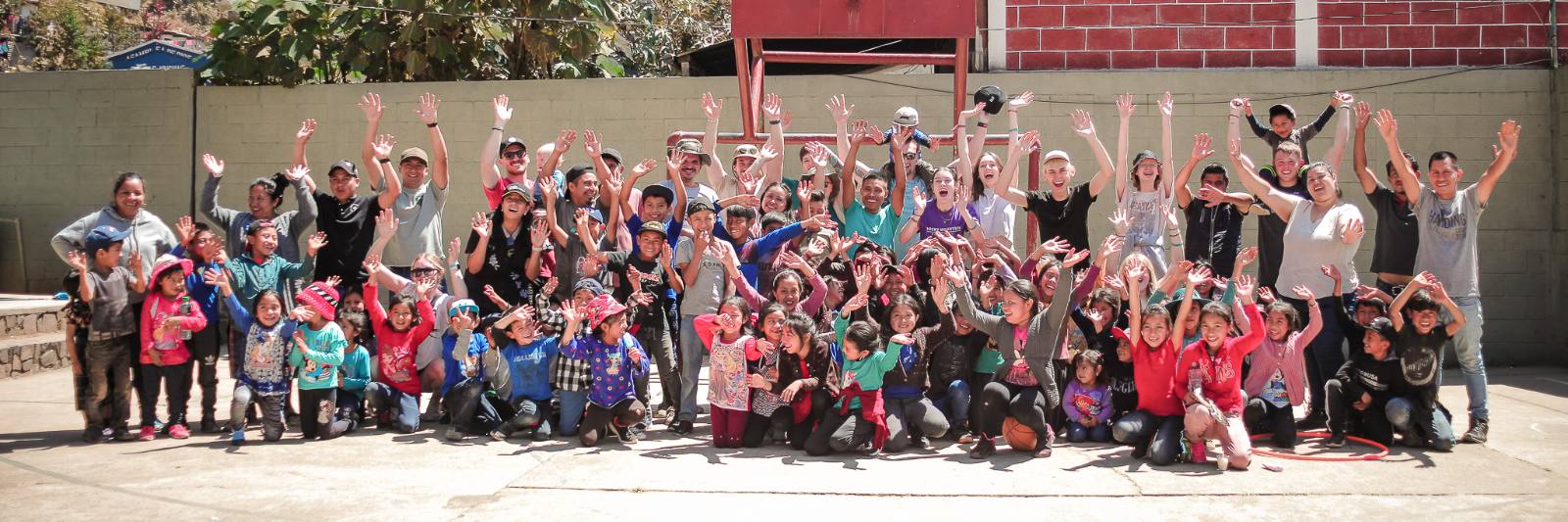
The group with the community education program
Panama

Islands, Reefs & Community Education

Students work alongside Give and Surf, a nonprofit running education programs across the archipelago, and encounter its reef systems and forests. The program centers on the question of what sustained repair looks like over the long term.

View the full itinerary→
Start the conversation

Thirty minutes to find out whether Somos is the right fit

We learn about your school, curriculum focus, students, and timeline. Every itinerary in this catalogue can be rebuilt around the partner organization that fits your group.

Book a discovery call→
Shad Qudsi
Co-Founder, Somos Impact Travel